
The Plumbers and Leak Hunting
All the President's MenThis flow follows the White House leak-investigation team from its national-security origins to revelations of surveillance and covert operations.
increasing Bearing strength in each event
 decreasing
Bearing strength in each eventdecreasingA Leak-Hunting Unit
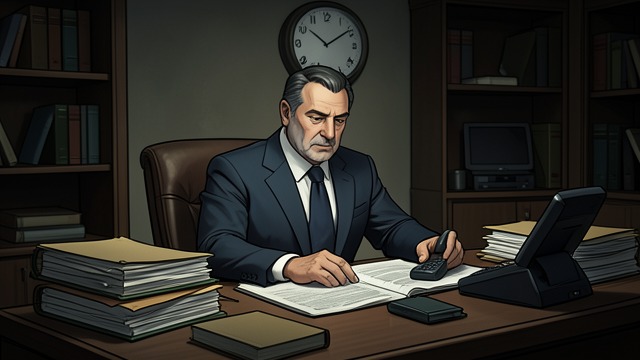
A Leak-Hunting Unit
The Plumbers Form
Howard Hunt, Gordon Liddy, David Young, and Egil Krogh worked on investigations of leaks and classified disclosures. Their activities were linked to John Ehrlichman’s office and conducted from the Executive Office Building.
Unclear Boundaries
The team’s stated mission involved national security, but its access to covert methods and political personnel made its boundaries uncertain. Later Watergate reporting would test whether leak control had become a wider program of political intelligence.
The Secret Phone
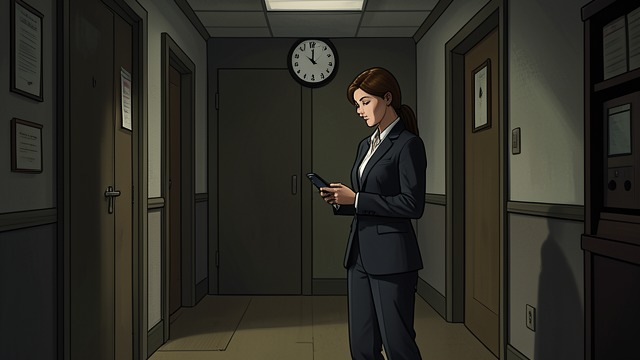
The Secret Phone
A Camouflaged Line
A telephone was installed in the Executive Office Building under Kathleen Chenow’s name and billed through an unusual arrangement. Hunt used it to receive calls, including contact from Bernard Barker.
Concealment in Plain Sight
Chenow said the arrangement was meant to avoid a visible White House connection. Its discovery joined an obscure phone account to the Watergate suspects and raised questions about the team’s operations before the break-in.
Research on Kennedy
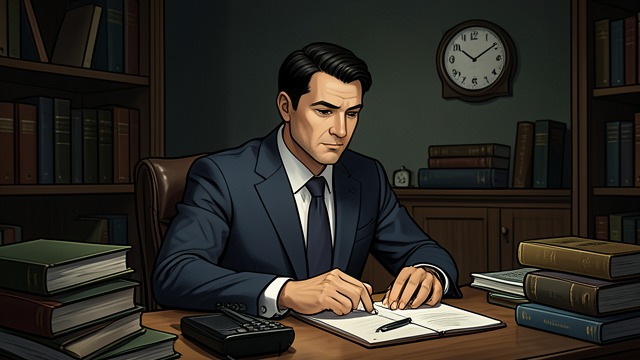
Research on Kennedy
A Political Assignment
Howard Hunt gathered books and other material concerning Edward Kennedy and the Chappaquiddick accident while working as a White House consultant. A former staffer and a librarian helped the reporters reconstruct the research.
Political Intelligence
The assignment did not resemble routine declassification work, as the White House had suggested. A former administration official said the White House was preoccupied with finding damaging information about Kennedy, demonstrating how national-security expertise could be redirected toward domestic political concerns.
The Beard Mission
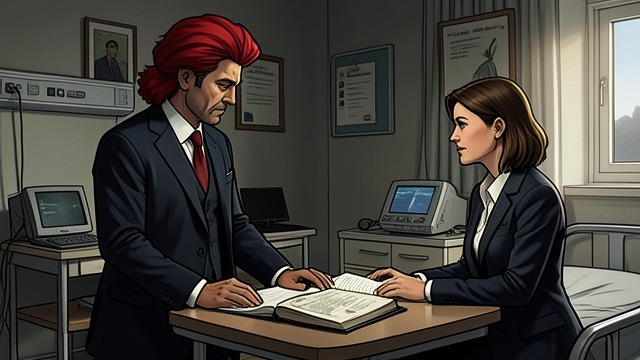
The Beard Mission
A Hospital Visit
Charles Colson acknowledged sending Howard Hunt to Denver to see Dita Beard during the ITT controversy. Hunt used an alias and reportedly wore a cheap red wig, while Beard later disavowed a damaging memorandum.
An Insulated Chain
Sources described a chain connecting private investigators, Hunt, and Colson. The episode suggested a recurring method: use intermediaries to shape political information while preserving distance between the White House and the operation.
Wiretap Information Circulates
Wiretap Information Circulates
Intelligence Routed to Operatives
Sources said David Young transmitted information from national-security wiretaps to Hunt and Liddy. Kathleen Chenow’s account established the Plumbers’ organization, while later reports connected the team to a broader surveillance environment.
From Leaks to Domestic Monitoring
The revelations expanded the story from campaign spying to government surveillance of officials and reporters. The administration’s national-security rationale collided with the danger of using secret intelligence against domestic political targets.
1971
August 1971–March 1972
Summer 1971
March 1972
Late 1971–1972
