
Hugh Sloan’s Moral Departure
All the President's MenThis flow traces Hugh Sloan’s departure from the Nixon campaign, his uneasy disclosures, and his struggle to remain truthful without overclaiming what he knew.
increasing Bearing strength in each event
 decreasing
Bearing strength in each eventdecreasingLeaving the Campaign
Leaving the Campaign
A Treasurer Under Strain
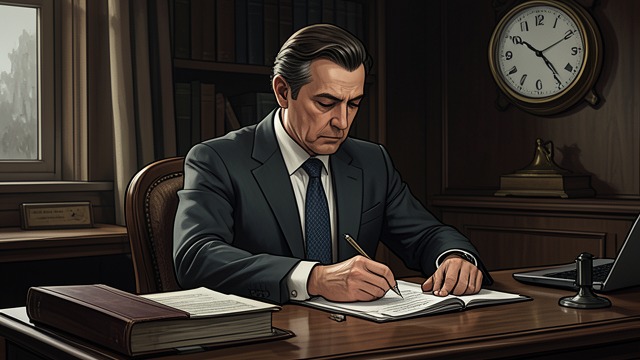
Hugh Sloan resigned from the Committee for the Re-election of the President after recognizing that large, unexplained cash payments were part of a troubling system. The official explanation cited personal reasons, but Sloan’s decision reflected growing moral and legal unease.
A Break With the Mission
Sloan and his wife had entered Washington believing in public service. The campaign’s secrecy made them fear that preserving loyalty to its mission would require accepting conduct they could not justify.
A Private Disclosure
A Private Disclosure
Reluctant Conversation
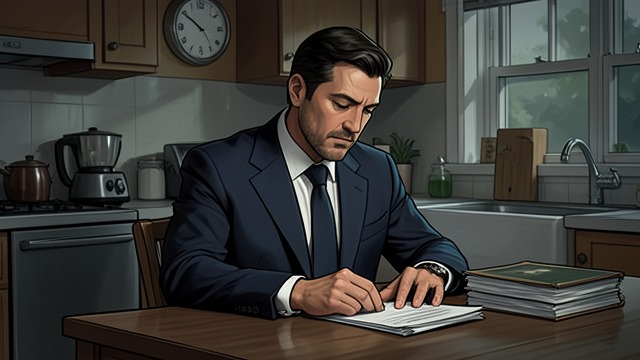
Carl Bernstein visited Sloan at home, where Sloan admitted that the situation was worse than he had first believed. He described pressure to keep employees aligned and said senior officials had engineered the committee’s response after the arrests.
Loyalty and Disillusionment
Sloan remained committed to the idea of Nixon’s reelection even as he lost faith in the people directing the campaign. His conflict was not simple opposition but the attempt to reconcile political loyalty with a duty to tell the truth.
Clarifying the Secret Fund

Clarifying the Secret Fund
What He Could Confirm
Sloan explained that cash had been distributed to Gordon Liddy, Bart Porter, and Jeb Magruder, and that senior figures could authorize payments. He also described John Mitchell’s role in approving expenditures.
The Haldeman Misunderstanding
When asked about the fifth controller, Sloan’s ambiguous response contributed to the reporters’ erroneous claim about his grand-jury testimony. Sloan later clarified that Haldeman controlled the fund but had not been named in that testimony.
The Record Is Corrected
The Record Is Corrected
A Carefully Limited Denial
Sloan and his attorney denied that he had implicated Haldeman before the grand jury. Sloan said the denial was limited to that claim, not to the underlying question of Haldeman’s control.
A Lesson in Precision
The exchange forced Sloan and the reporters to reconstruct what had been asked and understood. His credibility endured because he did not retreat from what he knew, but he insisted that his statements not be made to prove more than they established.
A Witness Without Vindication

A Witness Without Vindication
Testimony in Court
Sloan testified about paying cash to Gordon Liddy and confirmed that Maurice Stans had checked the expenditures with John Mitchell. The prosecutor’s questioning did not fully explore who had authorized the payments.
A Costly Conscience
Sloan’s candor did not quickly restore his career or protect him from suspicion. He remained a reluctant witness, convinced that the truth mattered but wary of being drawn into conclusions beyond his own knowledge.
Summer 1972
September 1972
September–October 1972
October 1972
January–April 1973
