
The Press as a Check on Power
All the President's MenThis flow traces the book’s argument that reporting, source protection, and public scrutiny can expose abuses that official investigations leave unresolved.
increasing Bearing strength in each event
 decreasing
Bearing strength in each eventdecreasingReporting Before Proof Is Complete
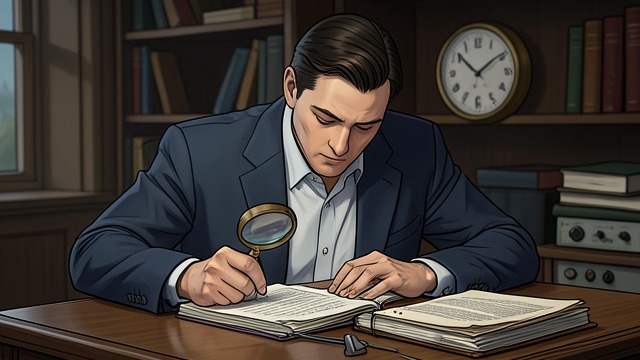
Reporting Before Proof Is Complete
Building From Fragments
Bob Woodward and Carl Bernstein began with partial facts and uncertain connections. Their task was to pursue leads without confusing suspicion with established evidence.
The Public Record Grows
Each verified detail helped readers understand why the burglary might matter. The reporting’s strength came from accumulation rather than a single revelation, though the pressure for speed repeatedly tested that method.
Anonymous Sources and Verification
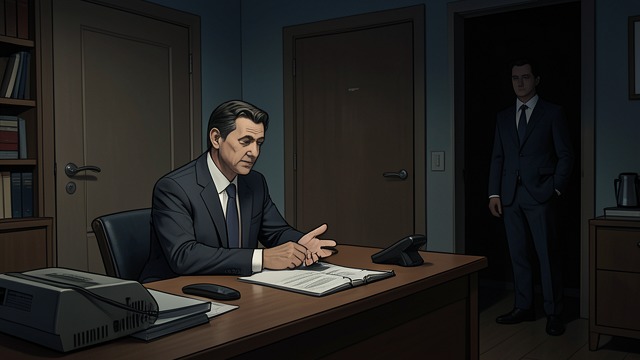
Anonymous Sources and Verification
Confidentiality Enables Disclosure
Campaign and government employees spoke only when assured their identities would be protected. Deep Throat’s arrangement with Bob Woodward supplied background while requiring the reporters to confirm information elsewhere.
Trust Has Limits
Anonymity could produce valuable information, but it could also conceal uncertainty or motive. The reporters’ responsibility was to verify the substance without exposing sources or letting source confidence replace proof.
The Error That Tests the Paper
The Error That Tests the Paper
A Misattribution Becomes News
The Haldeman story overstated what Hugh Sloan had told the grand jury. The episode showed how even multiple conversations can fail when reporters frame questions to confirm a conclusion they already favor.
Correction as Accountability
The Post had to confront the error without abandoning its sources or pretending the underlying issue had disappeared. The mistake became a measure of whether the paper could apply scrutiny to its own work.
Reporting Under Threat
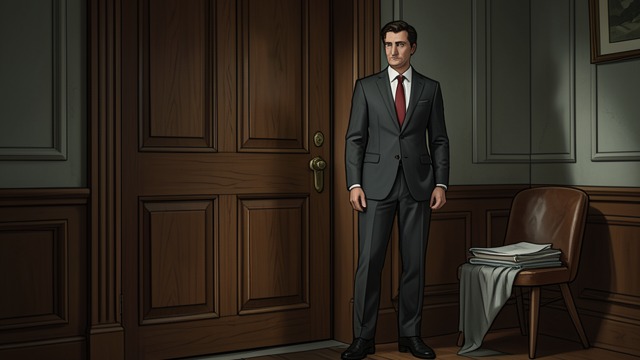
Reporting Under Threat
Notes Become a Target
CRP subpoenas demanded journalists’ Watergate notes and drafts. The threat extended from public criticism to efforts to compel disclosure of confidential reporting material.
Institutional Resistance
Katharine Graham and Ben Bradlee prepared to fight the subpoenas, treating source protection as essential to the paper’s ability to report. The dispute placed the First Amendment and newsroom independence inside the Watergate story itself.
A Vigorous Free Press
A Vigorous Free Press
Nixon’s Acknowledgment
In his televised address, Richard Nixon cited a determined grand jury, honest prosecutors, a courageous judge, and a vigorous free press as part of the system that brought facts to light. The statement followed months of attacks on the Washington Post.
Neither Triumph Nor Closure
The press had helped expose the scandal, but the book does not present reporting as infallible. Its contribution depended on persistence, correction, and public institutions capable of acting on what journalism uncovered.
June 1972
Summer 1972
October 1972
February–March 1973
April 30, 1973
