
Bob Woodward’s Reporting Apprenticeship
All the President's MenThis flow follows Bob Woodward from an inexperienced reporter assigned a burglary to a methodical investigator learning the limits and responsibilities of source-driven reporting.
increasing Bearing strength in each event
 decreasing
Bearing strength in each eventdecreasingThe Unexpected Assignment

The Unexpected Assignment
A Reporter Still Finding His Place
Bob Woodward initially regarded the Watergate arrests as an unpromising Saturday assignment. His reporting experience was limited, and he had not yet established himself as an investigative reporter.
A Crucial Detail
At the courthouse, he heard James McCord identify the CIA as his former employer. Woodward recognized that the detail might change the story’s scale and hurried back to the newsroom with a lead worth pursuing.
Learning to Follow Money

Learning to Follow Money
A Growing Reporting Method
Woodward pursued phone numbers, employment records, and obscure contacts, gradually linking Howard Hunt to the Watergate suspects. The process taught him that a story often advances through patient verification rather than a single dramatic revelation.
A Financial Breakthrough
As Carl Bernstein followed records in Miami, Woodward tracked Kenneth Dahlberg and obtained his explanation of the $25,000 check. Their parallel reporting connected campaign finance to the burglary and strengthened their collaboration.
The Haldeman Error

The Haldeman Error
A Claim at the Top
Woodward and Carl Bernstein reported that H. R. Haldeman controlled the secret fund, relying on a chain of confirmation they believed was solid. They also stated incorrectly that Hugh Sloan had named Haldeman before the grand jury.
The Cost of Assumption
Sloan’s attorney publicly denied the attribution, and the White House seized on the error. Woodward’s confidence gave way to a painful review of how leading questions, coded confirmations, and unchecked assumptions had weakened the story.
Rebuilding Credibility

Rebuilding Credibility
Sources Revisited
Woodward and Bernstein returned to Hugh Sloan and their other sources to identify exactly what had gone wrong. They learned Sloan had misunderstood the question about his grand-jury testimony, while the reporters had mistaken implication for explicit confirmation.
Caution Restored
The episode made them confront their own desire to believe that Haldeman stood behind the operation. They continued reporting, but treated the error as a warning that sound conclusions required precise questions and independently established facts.
The Tape-System Disclosure
The Tape-System Disclosure
A Previously Unknown System
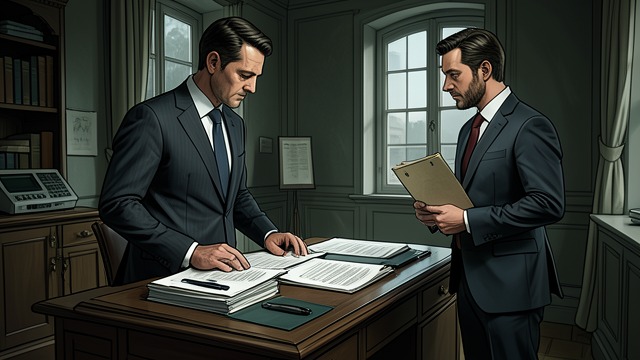
Alexander Butterfield told Senate investigators that Richard Nixon had secretly recorded conversations. Bob Woodward learned the news from a committee staff member and informed Ben Bradlee, initially unsure whether the discovery justified immediate publication.
A Transformative Revelation
Butterfield’s public testimony soon made the recording system central to the crisis. The disclosure confirmed the value of persistent source work, while Woodward’s measured response showed a reporter weighing importance against the risk of being used or misled.
June 17, 1972
June–August 1972
October 1972
October–November 1972
July 1973
