
Richard Nixon’s Declining Command
All the President's MenThis flow follows Richard Nixon’s changing public posture as denials, investigations, and departing aides erode his control of the Watergate crisis.
increasing Bearing strength in each event
 decreasing
Bearing strength in each eventdecreasingThe First Denial
The First Denial
Distance From the Burglary
Richard Nixon said the White House had no involvement in the incident and described the burglary as insignificant. His campaign aides also declared that the operation had not been authorized by the committee.
The Language of Separation
Those early statements drew a sharp boundary between the campaign and the arrested men. Later revelations about campaign employment, funds, and contacts made the repeated denials a growing liability.
A Campaign Under Scrutiny
A Campaign Under Scrutiny
Confidence in Public
Nixon entered the election with a commanding political position while his administration dismissed Watergate coverage as partisan. The campaign attacked the Washington Post and argued that anonymous sources and broad allegations were unreliable.
Private Alarm
Behind that confidence, revelations about the fund, Donald Segretti, and Dwight Chapin brought the story nearer to the White House. The election victory did not end the investigation; it removed the immediate electoral explanation for the administration’s resistance.
Warnings and Resistance
Warnings and Resistance
Information Reaches the President
Sources later said Charles Colson warned Nixon that aides were implicated in Watergate, while John Dean’s later account placed the cover-up before the President. Nixon’s personal knowledge became the central unresolved question.
The Cost of Delay
Nixon’s administration continued to contest the scope and meaning of the allegations. His refusal to break decisively with trusted aides left him exposed as prosecutors, Senate investigators, and reporters gathered more evidence.
The April Turning Point
The April Turning Point
An Investigation Announced
Nixon described new inquiries and claimed that progress had been made, while promising no immunity for senior figures and allowing aides to testify under oath. He presented himself as pursuing the truth after months of criticism.
A Response to Pressure
Behind the announcement were prosecutors’ concerns and the prospect of senior indictments. The new posture acknowledged that earlier assurances had not resolved the scandal and that the presidency could not simply wait for public attention to fade.
The Resignations
The Resignations
The Inner Circle Breaks
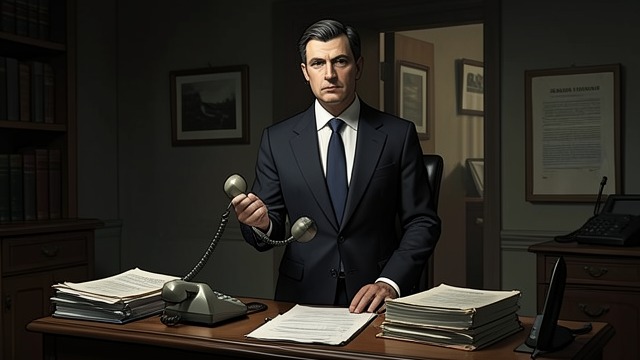
H. R. Haldeman and John Ehrlichman resigned, John Dean was fired, and Attorney General Richard Kleindienst also left. The changes confirmed the scale of the crisis inside the White House.
Accepting Responsibility
In a televised address, Nixon said the man at the top must bear responsibility, while describing an effort to conceal facts from him as well as the public. His words acknowledged institutional failure but did not end questions about his own involvement.
June 1972
August–October 1972
December 1972–March 1973
April 17, 1973
April 30, 1973
