
The Haldeman Attribution Crisis
All the President's MenThis flow traces the Post’s high-stakes claim about H. R. Haldeman, the mistaken attribution to Hugh Sloan’s testimony, and the correction that followed.
increasing Bearing strength in each event
 decreasing
Bearing strength in each eventdecreasingA Fifth Controller
A Fifth Controller
The Search for a Name
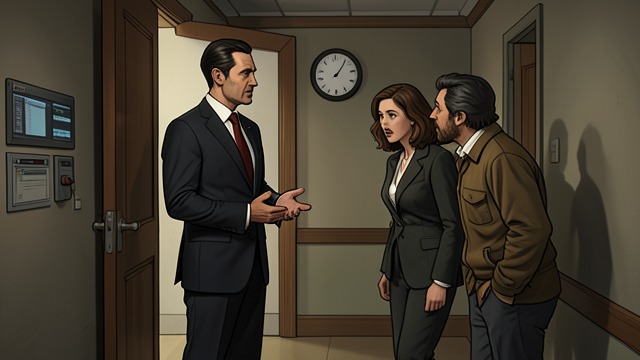
Hugh Sloan described five people who could authorize payments from the secret fund. The reporters eliminated several possible White House figures and increasingly suspected H. R. Haldeman.
Ambiguity Treated as Confirmation
A doorstep conversation with Sloan seemed to confirm their conclusion, though its wording remained unclear. The reporters believed they had enough to publish, but had not established exactly what Sloan had said before the grand jury.
The Story Goes to Print
The Story Goes to Print
A High-Stakes Publication
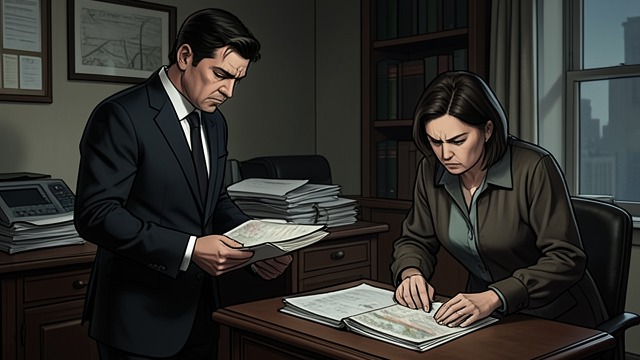
The Washington Post reported that Haldeman controlled the secret fund, citing sworn grand-jury testimony and federal investigators. The claim carried implications for Richard Nixon because Haldeman was the President’s closest operational aide.
Editorial Scrutiny
Ben Bradlee pressed the reporters on the precise wording of their sources before approving the story. Despite that scrutiny, the attribution to Sloan’s grand-jury testimony was wrong, turning a major scoop into a test of the paper’s credibility.
The Denial on Television
The Denial on Television
A Public Contradiction
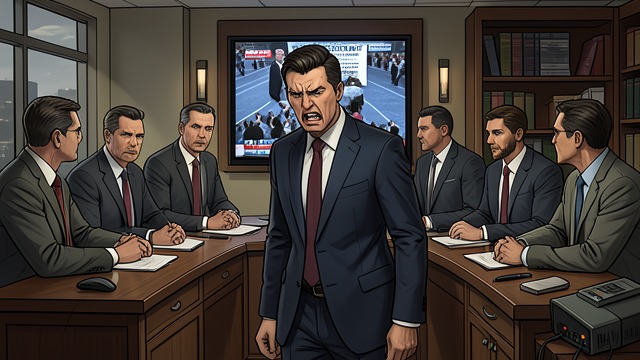
Hugh Sloan’s attorney said Sloan had not implicated Haldeman before the grand jury. The denial was broadcast as the White House attacked the Post’s story and accused the paper of shabby reporting.
A Newsroom in Crisis
Bob Woodward and Carl Bernstein realized they could not reconcile their claim with the recorded denial. Their confidence collapsed, while editors faced the possibility that a central allegation had been built on a misunderstanding.
Reconstructing the Conversation
Reconstructing the Conversation
Finding the Error
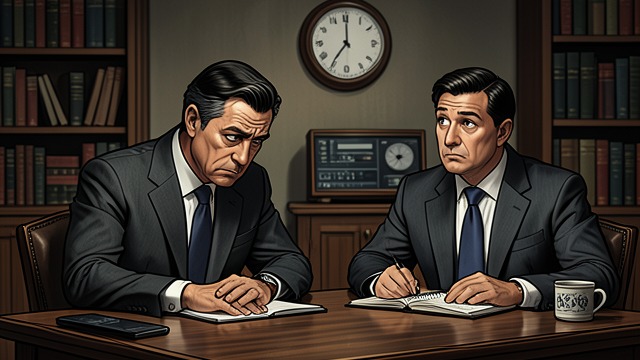
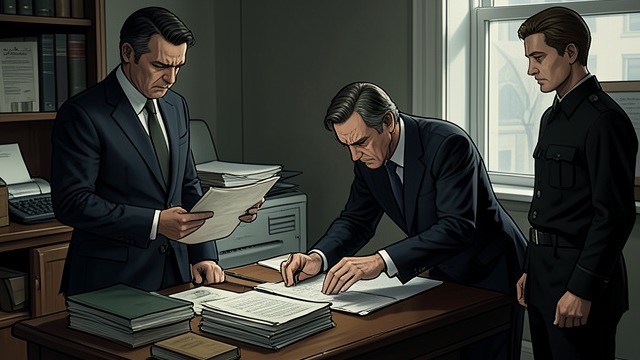
The reporters revisited their questions to Sloan, the FBI agent, and a Justice Department lawyer. Sloan had understood one question differently, and the lawyer had misunderstood the reporters’ silent confirmation method.
Professional Consequences
They acknowledged that they had asked leading questions and accepted equivocal answers. The failure did not prove the underlying Haldeman connection false, but it showed how an assumption can corrupt attribution even when several people appear to confirm it.
The Record Is Qualified
The Record Is Qualified
A Narrow Correction
The Washington Post later reported that Sloan had not named Haldeman to the grand jury, while stating that federal sources still supported Haldeman’s authority over the fund. The distinction separated the faulty attribution from the broader allegation.
Credibility Under Strain
The correction did not erase the damage or end the controversy. It forced the paper to rebuild confidence through more careful sourcing, while the larger investigation continued to produce evidence of senior involvement.
October 1972
October 24, 1972
October 25, 1972
October 25–26, 1972
Late October 1972
