
The Woodward–Bernstein Partnership
All the President's MenThis flow traces how two competitive reporters developed a difficult but effective partnership grounded in divided contacts, shared verification, and mutual restraint.
increasing Bearing strength in each event
 decreasing
Bearing strength in each eventdecreasingInitial Distrust
Initial Distrust
Two Separate Reporters
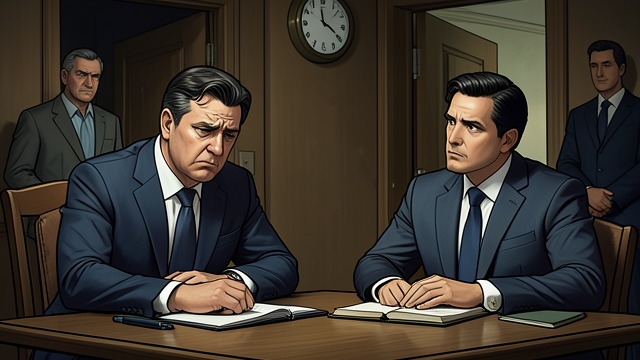
Bob Woodward and Carl Bernstein initially viewed each other through office stereotypes and professional rivalry. Neither had worked with the other, and both worried that a colleague might claim the best part of the Watergate story.
Forced Collaboration
The newsroom assigned both to the developing burglary coverage. Their contrasting backgrounds made cooperation uneasy, but the story’s complexity soon required more sources and more independent checks than either could gather alone.
A Shared Financial Story
A Shared Financial Story
Parallel Reporting
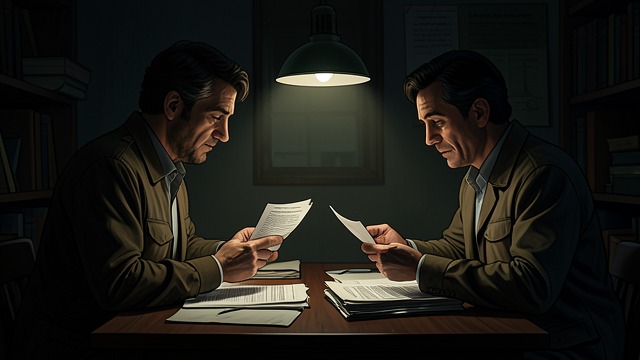
Carl Bernstein worked with Martin Dardis in Miami while Bob Woodward pursued Kenneth Dahlberg in Minnesota. Each reporter supplied the other with facts neither could obtain alone.
A Joint Byline
The Dahlberg check story became their first major shared account. Afterward, they agreed that Watergate stories would carry both names, recognizing that complementary reporting made their work more resilient.
A System of Shared Work

A System of Shared Work
Separate Contact Lists
The reporters divided sources, preserved notes, and called contacts regularly. Their separate files and differing networks reduced duplication while giving them a wider view of the campaign and White House.
Productive Disagreement
They argued intensely over wording, emphasis, and proof, but the friction sharpened their stories. Woodward often drafted quickly; Bernstein rewrote, while editors such as Barry Sussman helped test the developing picture.
The Haldeman Crisis
The Haldeman Crisis
Shared Error
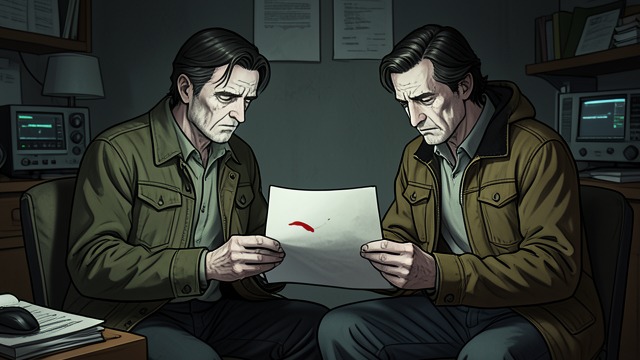
Both reporters committed to the Haldeman story, then had to face its false grand-jury attribution. They reacted with exhaustion and fear that the mistake would discredit months of reporting.
Mutual Accountability
They reconstructed each exchange and admitted where their methods had failed. Neither could simply blame the other; their partnership required a shared willingness to slow down when the evidence became uncertain.
The Investigation Outlasts the Election
The Investigation Outlasts the Election
Persistence After Defeat
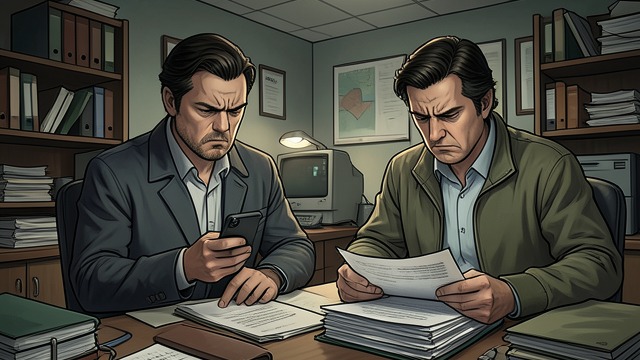
Richard Nixon’s landslide victory did not end the reporters’ work. They returned to sources, uncovered the Plumbers’ phone, pursued hush-money leads, and followed revelations from hearings and trials.
A Durable Partnership
Their collaboration depended on argument, divided labor, and shared responsibility for errors. The final narrative emerged not from a single reporter’s certainty but from years of exchanging leads and checking one another’s conclusions.
June 17, 1972
August 1972
Late summer 1972
October 1972
November 1972–1974
