
Woodward and Deep Throat
All the President's MenThis flow traces the secrecy, trust, and limits of the relationship between Bob Woodward and his confidential source Deep Throat.
increasing Bearing strength in each event
 decreasing
Bearing strength in each eventdecreasingTerms of Contact

Terms of Contact
A Restricted Arrangement
Bob Woodward agreed that Deep Throat would provide background and perspective, not quotable material. The source could be contacted only on important occasions and kept his identity and position secret.
Secrecy Becomes Ritual
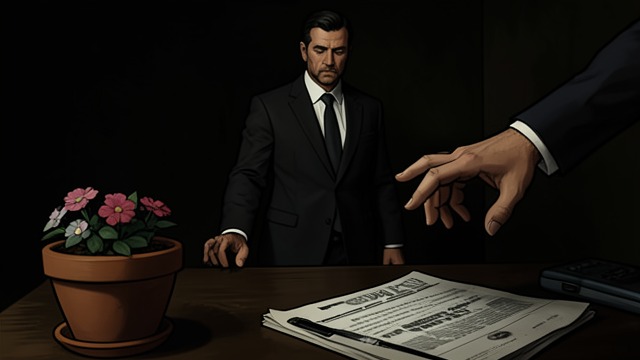
They developed signals involving a flowerpot and a marked newspaper, then met in an underground garage. The elaborate precautions reflected genuine fear as well as the source’s sensitivity inside the executive branch.
The First Warnings
The First Warnings
Guidance From the Shadows
Deep Throat helped Woodward assess the Watergate investigation and warned that the White House and FBI were trying to discover the Post’s sources. He urged caution on the telephone and emphasized that the stakes exceeded a single burglary.
Trust Without Disclosure
The source did not reveal everything he knew. Woodward had to use the information as direction, then build stories through other sources, sustaining trust without turning the relationship into a substitute for reporting.
The Broader Operation
The Broader Operation
A Garage Briefing
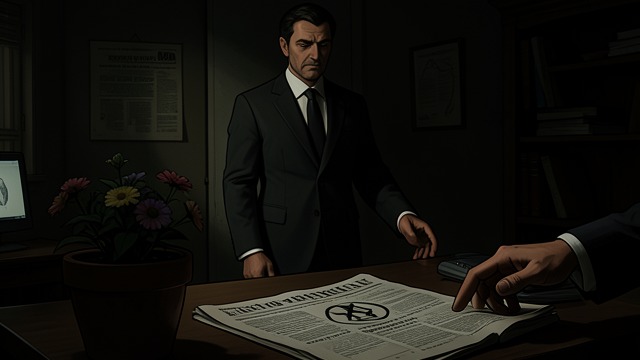
Deep Throat described political intelligence operations across the country and said that Watergate was connected to a larger program. He insisted that the reporters check every lead because some intelligence gathering had been routine and some had become far more serious.
Pressure to Understand
When Woodward demanded greater specificity, Deep Throat finally said that more than fifty people had worked on spying and sabotage. The source’s guarded revelations changed the scale of the story while leaving the reporters to establish the details independently.
A Mistake and a Warning
A Mistake and a Warning
Haldeman’s Name
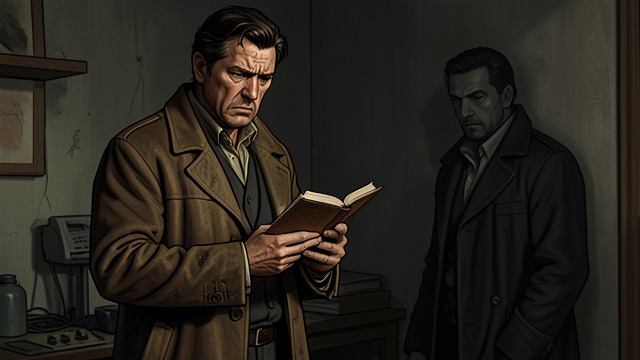
When Woodward told Deep Throat that the reporters planned to identify Haldeman as a fund controller, the source refused to serve as a direct source. He warned that the Haldeman story required the strongest possible foundation.
Trust Tested
After the attribution failed, Deep Throat told Woodward that the underlying facts were right but the reporting had been mishandled. His criticism was severe because the error had strengthened Haldeman’s public position and weakened the reporters’ credibility.
The Final Major Briefing
The Final Major Briefing
A Frightening Warning
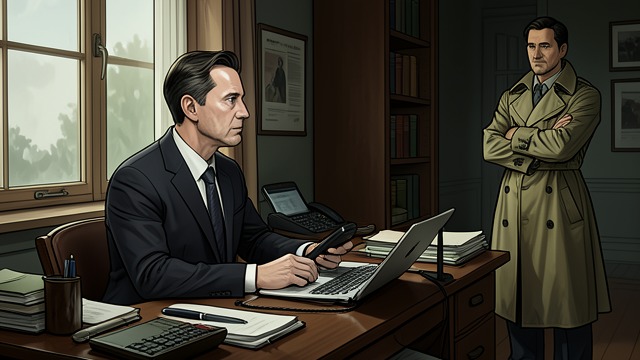
Deep Throat told Woodward that surveillance was underway, that lives might be in danger, and that the Watergate cover-up protected covert operations. Some claims were later corroborated, while others remained unverified at the time.
Information Must Be Checked
Woodward shared the warning with Carl Bernstein and Ben Bradlee rather than immediately publishing every allegation. Their response reflected the limits of source trust: even an unusually informed source could not relieve reporters of the duty to verify.
Summer 1972
June–September 1972
October 1972
October 1972
May 1973
