
The Campaign’s Hidden Cash
All the President's MenThis flow follows concealed campaign money from pre-election fundraising through covert operations and post-break-in payments to the Watergate defendants.
increasing Bearing strength in each event
 decreasing
Bearing strength in each eventdecreasingA Check Surfaces

A Check Surfaces
A Suspicious Deposit
A cashier’s check from Kenneth Dahlberg entered Bernard Barker’s account alongside drafts connected to Mexico. The money’s passage through several hands obscured its original route and purpose.
A Direct Link
Kenneth Dahlberg explained that the check represented campaign contributions he had delivered to Maurice Stans. The connection forced investigators to examine the campaign’s financial arrangements, not just the burglars’ identities.
The Mexican Laundry

The Mexican Laundry
Converting Contributions
Richard Haynes described a scheme in which campaign contributions were moved through Mexico City and converted into cash or drafts. The process concealed donors and made the money difficult for American investigators to trace.
The Scale Widens
The operation may have handled far more than the amount found in Barker’s account. The Mexican route linked fundraising practices to the campaign’s secret cash resources and suggested that anonymity was an intentional feature of the system.
Stans’s Cash Reserve

Stans’s Cash Reserve
A Fund in the Safe
Investigators and campaign employees described a large reserve of cash held outside ordinary accounting procedures. Hugh Sloan had distributed money to several political figures, while staff could not explain the payments through normal expense records.
The Purpose Question
The committee called the expenditures legitimate security work, but the claimed purpose did not match the secrecy or scale of the transactions. The Washington Post traced the fund toward political intelligence and the Watergate operation.
A Fund’s Controllers

A Fund’s Controllers
Authorization Behind Withdrawals
Hugh Sloan described a system in which senior figures could approve cash payments, sometimes through telephone instructions. John Mitchell had exercised authority over the fund while serving as Attorney General.
A Dangerous Attribution
The reporters sought to identify the fifth controller and concluded that H. R. Haldeman was involved. Their published claim incorrectly attributed the information to Sloan’s grand-jury testimony, creating a serious reporting crisis even as the broader question of control remained alive.
Cash for Silence
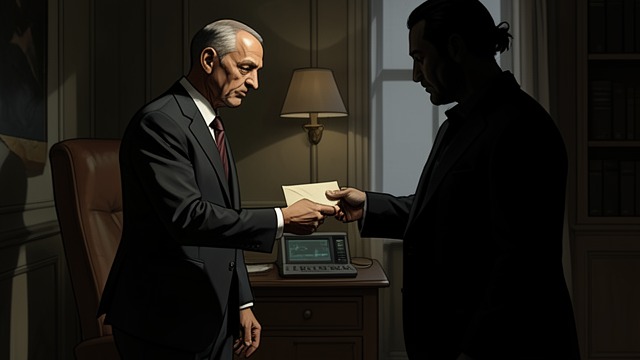
Cash for Silence
Money After the Arrests
Hugh Sloan later said that cash was transferred to Fred LaRue after the break-in. The transfer occurred while the public account of the affair still concealed the existence and use of the fund.
The Cover-Up’s Financial Trail
John Sirica’s questions and later reporting exposed payments to the defendants and their associates. The money connected the campaign’s concealed cash system to an effort to keep the Watergate conspirators from disclosing what they knew.
April–August 1972
August 1972
Summer–September 1972
September–October 1972
July 1972–April 1973
