Abe’s fatal car accident
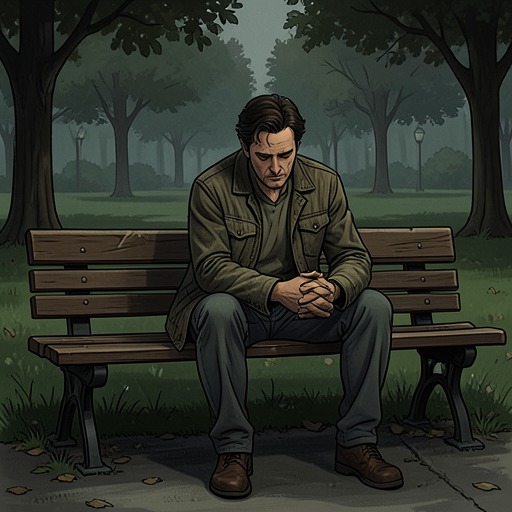
Along for the RideAbe’s fatal car accident is the loss at the center of Eli’s prolonged withdrawal from riding and social life. Recounted to Auden after she discovers that Eli has ridden again, the accident explains why even ordinary memories of their shared past can feel inseparable from its ending—and why the possibility of change carries particular weight for Eli.
Background and Circumstances
The accident happened in May of the previous year, after Abe and Eli had competed at an event in Brockton. Both had been sponsored for a couple of years and traveled to competitions. They began in straight BMX; Eli later took up half-pipe riding, while Abe focused more on flatland competition. Maggie also recalls that both were accomplished in urban riding, a skill she connects to where they came from.
After the event, the two were returning from a party when their car reached a four-way stop. Eli was driving. According to Esther, another driver ran the stop and struck them; Leah adds that the driver was drunk. Abe was killed. The account makes clear that the collision was caused by the other driver, not by Eli, even though Eli’s position behind the wheel would become central to his own sense of responsibility.
The circumstances reach Auden through several friends rather than through a narrated view of the collision itself. Maggie begins explaining the pair’s riding history; Esther supplies the return from the party and the cause of the crash; Leah confirms that Eli was driving and Abe died. This gradual disclosure gives Auden the facts in stages, while revealing why the people around Eli have long understood his changed behavior as grief rather than simple disinterest.
A Shared Life Interrupted
Before the crash, riding was not merely a hobby for Abe and Eli: they competed, held sponsorships, and traveled to events together. Their different specialties—Eli’s half-pipe and Abe’s flatland—mark them as individual riders within a shared world. The accident therefore ended more than Abe’s life. It abruptly broke up a partnership organized around competition and a future that had included Eli’s deferred place at the U.
Maggie’s account of Abe’s Saturday hot-dog parties offers a domestic counterpoint to their public life as sponsored riders. Abe held the gatherings at the home he shared with Eli, serving hot dogs, baked beans, potato chips, and Popsicles. He treated the chips as the meal’s vegetable and called the combination the perfect summer meal. Abe and Eli bought the food in bulk at Park Mart so they could put on a party at short notice. These recurring details preserve Abe as a host with a playful tradition, not only as the person whose death transformed Eli’s life.
The parties also establish what disappears in the aftermath. Maggie and the others tell Auden that Eli stopped going to parties, spending time with people, and even talking much. Their recollections of the lively routine and their description of his later silence set the loss against the ordinary companionship the two had shared.
Eli’s Withdrawal and Guilt
After Abe died, Eli gave up his sponsorships and stopped riding altogether. Although he had been accepted at the U and deferred enrollment so he could continue competing, he did not go to college. Instead, he took a job managing the bike shop. His friends describe these choices as part of a larger retreat: in Esther’s account, Abe seemed to have taken some part of Eli with him, and Eli was never the same.
Auden’s discovery that Eli has ridden on the boardwalk complicates that long-held picture. His friends had assumed he had stopped completely; the one ride Auden saw, late at night, is evidence that the old activity has not vanished as completely as they thought. Maggie later connects that sighting with other changes, including Eli’s presence at a party and his participation in a food fight. To her, these small departures from his withdrawal matter because she believes he may be vulnerable if Auden treats his renewed engagement casually. The accident’s consequences therefore remain active in the present: his friends weigh new moments of connection against the depth of the grief that preceded them.
Memory, Responsibility, and the Do-Over
In a later conversation, Eli explains why recounting the past can feel futile. Stories about Abe, including the humorous story of a water bed Abe refused to admit was a mistake, eventually return to the fact that Abe died. Eli’s objection is not that the earlier memories are false or meaningless; it is that every recollection seems to arrive at the same unalterable ending. The shift from an amusing anecdote to the death shows how grief changes the meaning of even lighthearted memories.
Eli’s deepest distress concerns survival and responsibility. He says that he was the driver who lived, and he imagines alternative versions of the journey: leaving the party earlier or later, noticing the car sooner, or having Abe at the wheel. He recognizes the many variables that might have changed the outcome, but cannot know whether any different choice would have saved Abe. Esther’s account locates the cause in a drunk driver running the stop; Eli’s recurring counterfactuals show that factual innocence has not freed him from guilt.
The accident thus gives the book’s recurring idea of a do-over a painful, concrete meaning. For Eli, it is not an abstract wish to revise an awkward moment but an attempt to find a version of the night in which Abe survives. The crash cannot be undone, and the friends’ reassurances cannot restore what was lost. Yet Eli’s unexpected return to riding makes the aftermath more than a story of permanent cessation: his grief remains, while the possibility of taking part in life again has begun to emerge.