
Salieri’s Bargain for Greatness
AmadeusThis flow traces how Antonio Salieri’s childhood bargain with God turns his ambition into a lifelong crisis of faith.
increasing Bearing strength in each event
 decreasing
Bearing strength in each eventdecreasingThe Childhood Vow
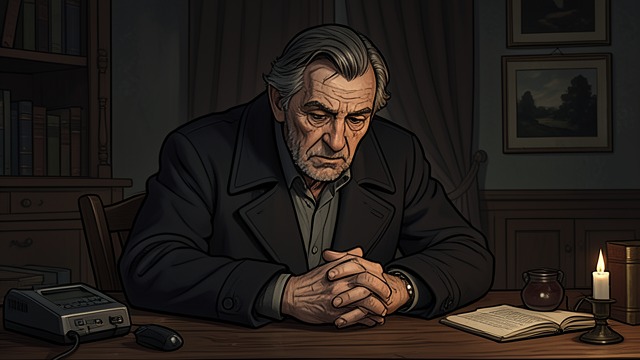
The Childhood Vow
A transaction with heaven
Antonio Salieri imagines God as a powerful merchant and approaches faith through exchange. He promises virtue, chastity, and service to humanity if God will make him a famous composer.
An ambition secured
Soon afterward, a family friend takes him to Vienna and pays for his musical education. Salieri interprets this unexpected help as proof that the bargain has been accepted, binding his identity to both artistic success and moral discipline.
The promise gives his ambition a sacred purpose, but it also makes achievement feel like evidence of divine favor.
The Favored Rival
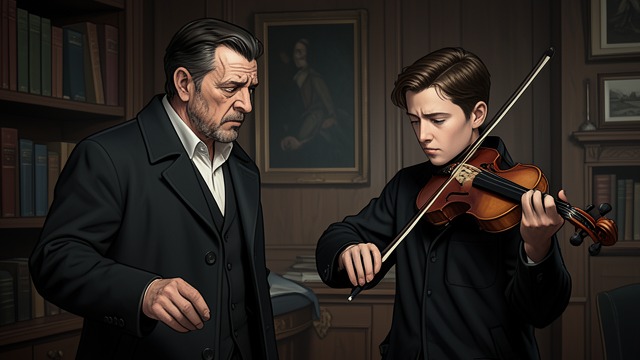
The Favored Rival
A voice beyond technique
At a private gathering, Salieri hears Wolfgang Amadeus Mozart’s serenade and recognizes a beauty he cannot produce. What first seemed like an isolated stroke of luck becomes unmistakable when he later studies Mozart’s original manuscripts.
The bargain breaks
Salieri believes Mozart’s music carries God’s voice, yet Mozart appears to possess that gift without the virtue and labor Salieri has offered. The revelation turns professional comparison into a theological wound.
Rather than question the bargain, Salieri concludes that God has made him recognize a genius from which he is excluded.
The Failed Immortality
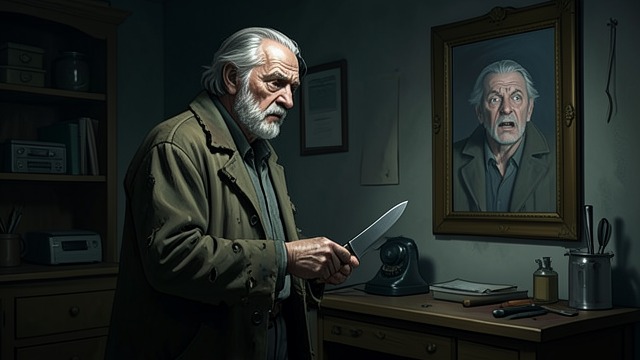
The Failed Immortality
A final appeal to memory
As an old man, Salieri decides that public infamy is preferable to being forgotten. He stages a confession of Mozart’s murder and hopes that scandal will keep his name attached to Mozart’s.
The world refuses the story
Salieri cuts his throat but survives. Reports describe him as deluded, and the people around him dismiss his claim that he killed Mozart.
His last strategy repeats the logic of his youthful ambition: he still wants immortality. But the attempted confession leaves him neither celebrated as a villain nor remembered as an artistic equal.
At age sixteen in Legnago
In Vienna in 1781
November 1823
