
The Opera House as Battleground
AmadeusThis flow follows how court rules, patronage, and artistic taste turn the opera house into a battleground for Mozart and Salieri.
increasing Bearing strength in each event
 decreasing
Bearing strength in each eventdecreasingA National Opera Commission
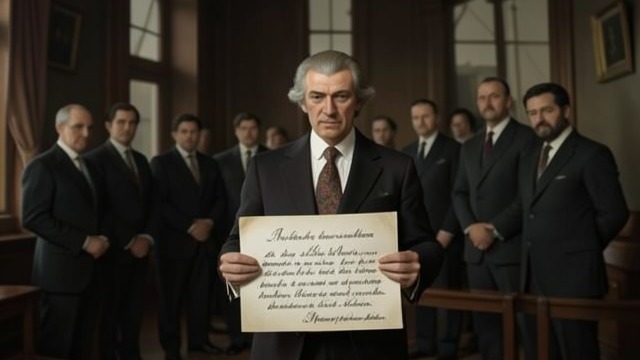
A National Opera Commission
The court sets its terms
Joseph II commissions a comic opera in German, hoping to establish a national operatic tradition. The order unsettles officials who favor Italian opera and question whether comedy belongs on the stage.
Mozart enters contested ground
Mozart accepts the project and selects a story set in a harem. His choice challenges assumptions about suitable subjects and exposes the court’s competing ideas of culture.
The commission makes artistic style a matter of political and linguistic debate.
The Ballet Cut
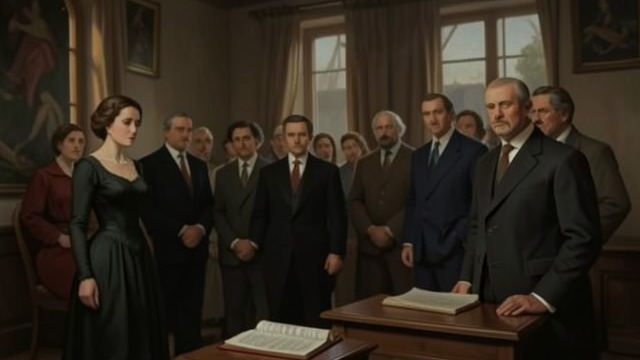
The Ballet Cut
A rule turned against the work
Salieri points Count Orsini-Rosemberg toward the ballet restriction in Joseph’s rules. The director removes the dance music from Figaro’s score, claiming to obey the emperor’s decree.
Mozart challenges the decision
Mozart argues that the dance is part of the wedding scene, not an inserted ballet. He recognizes a conspiracy but lacks proof that Salieri has helped engineer it.
The deletion threatens the opera’s dramatic structure and makes bureaucratic interpretation a weapon in the rivalry.
The Emperor’s Reversal
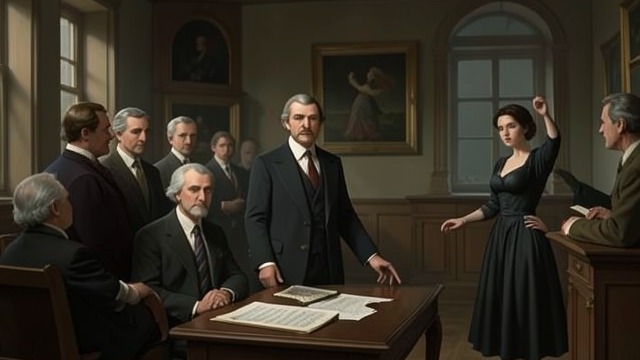
The Emperor’s Reversal
A silent dance
Joseph arrives at rehearsal and sees the dancers perform without music. The odd spectacle makes the consequences of the cut more persuasive than Mozart’s argument alone.
Permission restored
Joseph orders the score reinstated, overruling Rosemberg. Mozart responds with extravagant gratitude, while Salieri privately wonders whether divine intervention has begun.
The reversal saves the scene but does not prevent the opera’s later short run, showing the limits of a single royal victory.
Soon after Mozart settles in Vienna
Two days before Figaro’s premiere
At Figaro’s final rehearsal
