
Figaro’s Rise and Suppression
AmadeusThis flow traces the creation, performance, and suppression of Figaro as a triumph that fails to secure Mozart’s standing.
increasing Bearing strength in each event
 decreasing
Bearing strength in each eventdecreasingThe Controversial Subject

The Controversial Subject
Ordinary people onstage
Mozart defends The Marriage of Figaro as an opera about real people and recognizable desire. He imagines a work in which several characters’ private thoughts can sound at once.
Aesthetic resistance
Van Swieten and other officials prefer elevated myths and distrust the comedy’s servants, disguises, and sexual intrigue. Mozart’s insistence on everyday life collides with the court’s demand for moral and social elevation.
The debate anticipates the opera’s musical achievement and its vulnerability to institutional control.
A Musical Victory
A Musical Victory
Salieri hears the achievement
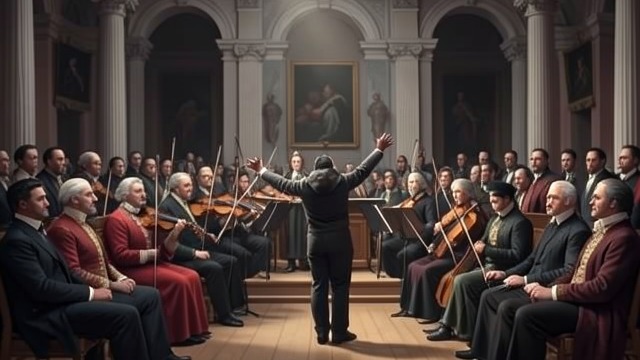
During the performance, Salieri recognizes the opera’s extraordinary construction and emotional truth. Its finale gathers complex relationships into a single musical movement.
The court looks elsewhere
Joseph finds the work ingenious but asks for repetitions to be cut and leaves without giving it the acclaim Mozart hopes for. Salieri’s private admiration contrasts with his willingness to suppress the opera’s future performances.
The premiere establishes Figaro as a success in art but a precarious event in public life.
Nine Performances
Nine Performances
A managed decline
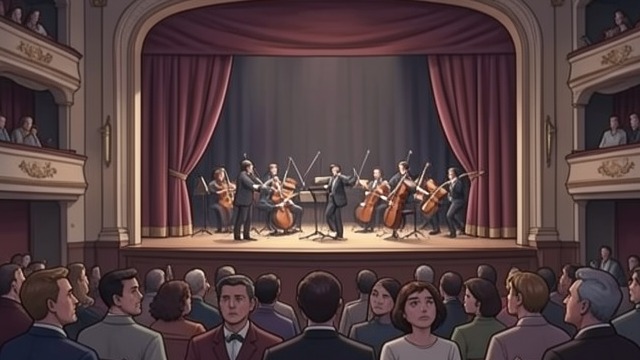
Salieri uses Rosemberg’s resentment to ensure Figaro is staged only nine times that year. The opera’s complex music and lack of an obvious applause cue give critics an excuse to dismiss it.
Victory without satisfaction
Mozart loses the chance to build a stable reputation from the work, while Salieri sees his obstruction as a victory over both rival and God. Yet his private recognition of Figaro’s greatness prevents the victory from feeling complete.
The suppression demonstrates how power can restrict an artwork’s reach without diminishing its intrinsic achievement.
Before Figaro’s composition
At Figaro’s premiere
During the year following the premiere
