
A Husband’s Paternal Dependence
AmadeusThis flow traces how Mozart’s childlike behavior affects his marriage, his work, and the way others interpret his talent.
increasing Bearing strength in each event
 decreasing
Bearing strength in each eventdecreasingThe Playful Adult

The Playful Adult
Games and vulgar jokes
Mozart chases Constanze in a childish game and delights in indecorous jokes. Salieri first encounters him not as a solemn genius but as a restless, impulsive man who resists adult decorum.
Charm and discomfort
Mozart’s playfulness makes Constanze laugh and draws others into his unpredictable energy. It also alarms people who expect a court composer to behave with restraint.
The contrast between the playful man and the profound music becomes one of the play’s central mysteries.
The Household Child
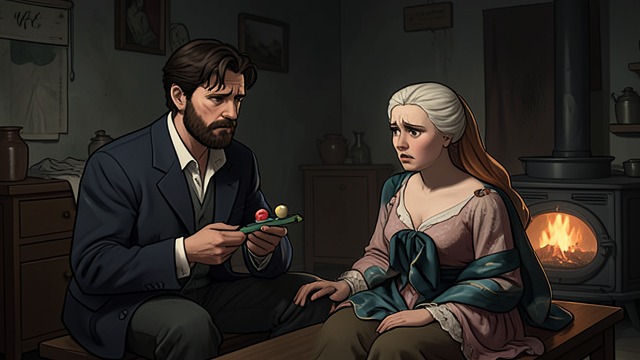
The Household Child
Poverty intensifies conflict
Mozart and Constanze live in a cold, underfunded home while he writes. Their arguments reveal resentment over money, Leopold’s influence, and the burden of managing a household.
Play as escape
When Constanze becomes distressed, Mozart tries to restore their closeness through childish games and invented words. The play can comfort them temporarily but cannot solve the material pressures around them.
His dependence on affection makes him endearing and difficult to live with at the same time.
The Last Childlike Appeal
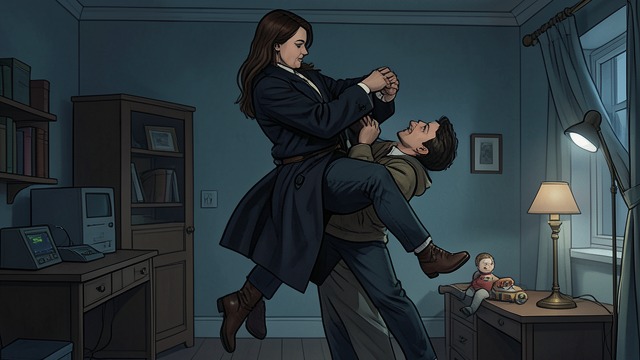
The Last Childlike Appeal
A return to dependence
After Salieri reveals himself, Mozart calls for his father and asks to be lifted into his arms. His adult identity gives way to a need for paternal protection.
Constanze takes his place
Constanze returns and becomes the caregiver who steadies and covers him. Mozart dies while she speaks to him, completing a shift from dependence on his absent father to dependence on his wife.
The scene makes vulnerability, rather than genius, the final image of Mozart’s personal fate.
At Mozart’s first private appearance
During the winter at Rauhensteingasse
At Mozart’s deathbed
