
Mozart’s Arrival and Courtly Promise
AmadeusThis flow follows Wolfgang Amadeus Mozart’s arrival in Vienna as opportunity gives way to unstable court favor.
increasing Bearing strength in each event
 decreasing
Bearing strength in each eventdecreasingA City of Promise

A City of Promise
A new beginning
Wolfgang Amadeus Mozart arrives in Vienna seeking work, recognition, and room to compose. The city offers access to wealthy patrons and the imperial court, but success depends on navigating its customs and personalities.
A divided reception
Some courtiers admire Mozart’s talent, while others regard him as impertinent and difficult. Antonio Salieri sees the arrival as both a professional threat and an encounter with an extraordinary musical gift.
The city becomes the arena where Mozart’s creative confidence meets social and financial vulnerability.
The Chamber Appointment

The Chamber Appointment
A modest position
Following Mozart’s failure to secure a royal teaching post, Joseph II appoints him Imperial Chamber Composer. The title gives him a place at court but comes with a small salary and limited duties.
Help with a hidden cost
Salieri has advised the emperor to offer Mozart the position at reduced pay. Mozart initially interprets the appointment as an act of kindness and thanks Salieri, unaware that the gesture also preserves Salieri’s influence over his fortunes.
The appointment offers a brief foothold without resolving Mozart’s need for reliable income or respect.
Court Favor Fades
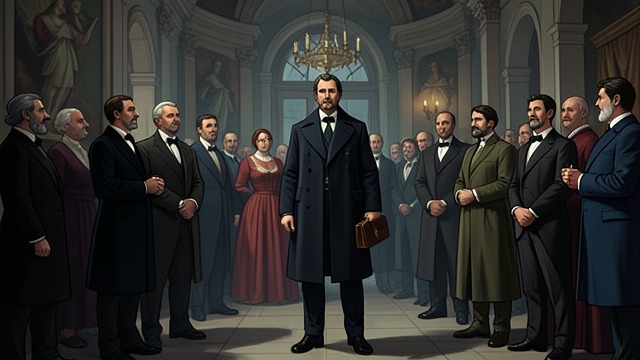
Court Favor Fades
Praise without security
Mozart’s operas and concerts reveal the scale of his talent, yet acclaim does not become dependable court employment. His work can move an audience while the emperor still recommends cuts and the opera director limits performances.
A narrowing livelihood
As Mozart’s popularity at court declines, he relies increasingly on commissions and help from fellow Masons. Salieri’s own advancement contrasts with Mozart’s precarious position.
The gap between artistic achievement and institutional reward drives the later course of Mozart’s professional decline.
1781, upon Mozart’s arrival
After Mozart’s early court setbacks
After the success of Figaro
