
Mozart’s Artistic Destiny
AmadeusThis flow follows Mozart’s ability to turn experience into art, from intimate comedy to sacred and popular works.
increasing Bearing strength in each event
 decreasing
Bearing strength in each eventdecreasingThe Improviser
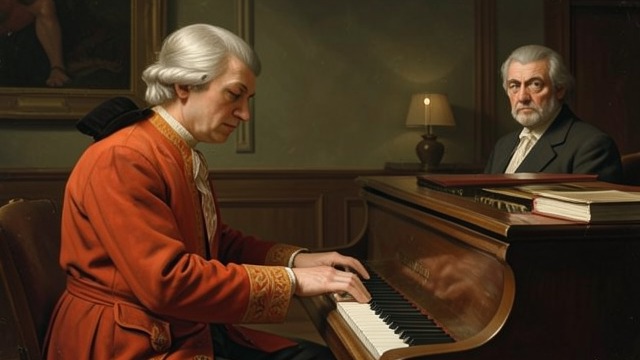
The Improviser
Music without hesitation
Mozart memorizes Salieri’s welcome march and improvises a more compelling version at the keyboard. He treats composition as something immediately available rather than the result of visible struggle.
A gift others cannot imitate
Salieri recognizes the distance between Mozart’s spontaneity and his own deliberate craft. The moment becomes a private humiliation because Mozart does not even recognize it as a contest.
The improvisation establishes the natural ease that will fascinate Salieri throughout their rivalry.
Everyday Life Transformed
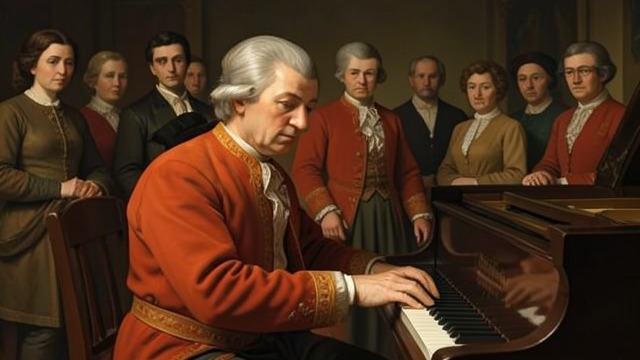
Everyday Life Transformed
The domestic world onstage
Mozart turns servants, marriages, disguises, and desire into the subject of serious musical invention. He believes opera can capture several inner lives at the same time.
Complexity made audible
Salieri hears the finale as a brilliant reconciliation and recognizes that ordinary social experience has become something enduring. The emperor and much of the audience, however, do not respond with equal understanding.
Figaro becomes evidence of Mozart’s distinctive power to make common life feel worthy of art.
The Sacred Popular Stage

The Sacred Popular Stage
A work for common listeners
Mozart writes The Magic Flute for Schikaneder’s popular theater rather than the imperial court. Its Masonic imagery and broad appeal join serious ideals to accessible entertainment.
A transformed father image
Salieri hears the work’s radiant music as a movement from Leopold’s accusing shadow toward mercy and welcome. Mozart’s art seems to reconcile experiences that remain unresolved in ordinary life.
The opera enlarges Mozart’s legacy even as the lodge’s reaction worsens his practical fortunes.
At the first meeting with Salieri
During the creation and reception of Figaro
At The Magic Flute’s performance
