
Virtue Without Artistic Reward
AmadeusThis flow examines the painful separation between moral goodness and artistic greatness in Salieri’s experience.
increasing Bearing strength in each event
 decreasing
Bearing strength in each eventdecreasingThe Promise of Virtue
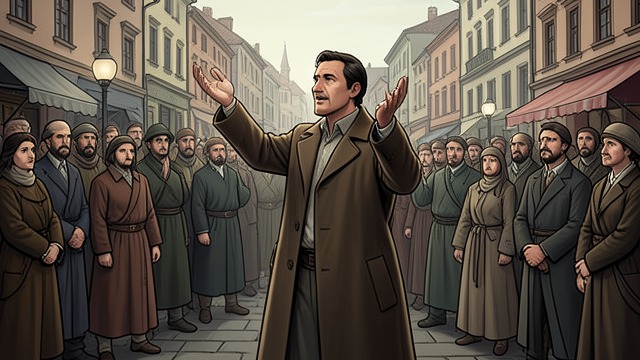
The Promise of Virtue
Good conduct as an offering
Salieri promises chastity, humility, and service to others in return for musical fame. He expects virtue to make his ambition worthy of divine approval.
A moral economy
His understanding of God is transactional: goodness should receive a corresponding reward. The pact shapes a life in which artistic achievement and moral self-control seem inseparable.
The expectation of fairness makes Mozart’s later selection appear unbearable to him.
Mozart as Counterexample
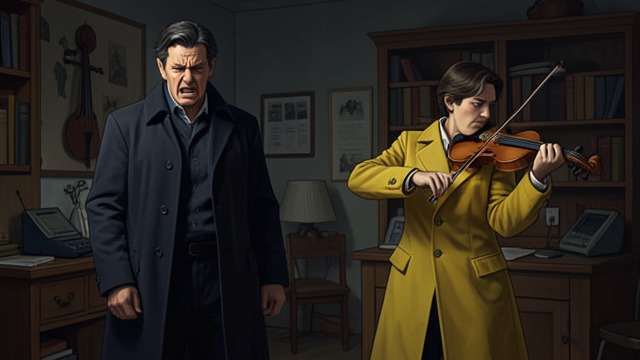
Mozart as Counterexample
Genius without visible virtue
Mozart appears vulgar, self-absorbed, and irreverent, yet his music possesses extraordinary beauty. His character seems to disprove Salieri’s assumption that divine favor follows moral discipline.
Goodness loses its guarantee
Salieri is forced to confront the possibility that virtue has no power to produce artistic genius. His resentment grows because the world of art does not reward him according to the terms he believes he has kept.
The contrast separates ethical worth from creative capacity without resolving which deserves greater honor.
Goodness in the Wreckage
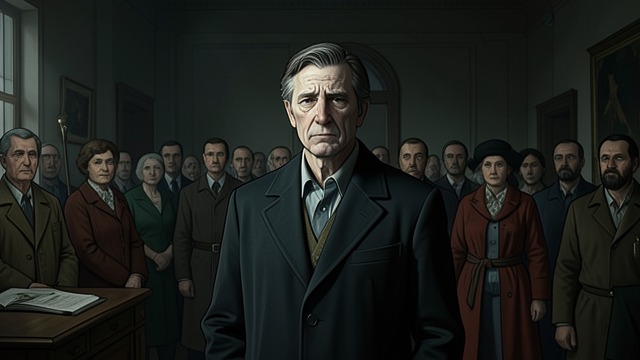
Goodness in the Wreckage
A moral admission
Salieri admits that he abandoned charity, chastity, and truth while trying to defeat Mozart. His actions show that the struggle against perceived injustice has made him violate the principles he once offered God.
No clean judgment
Mozart is neither an idealized saint nor simply a villain, and Salieri is neither wholly virtuous nor merely jealous. The play leaves moral goodness unable to guarantee artistic greatness or a just outcome.
The theme deepens through contradiction rather than through a final moral verdict.
When Salieri makes his pact
After Salieri hears Mozart’s serenade
After Mozart’s death
