
Silence, Sound, and the Audience
AmadeusThis flow explores listening as a source of revelation, misunderstanding, and contested remembrance.
increasing Bearing strength in each event
 decreasing
Bearing strength in each eventdecreasingThe Future Audience

The Future Audience
A call across time
Old Salieri addresses the audience as shadows from the future and asks them to witness his final confession. He believes their presence can give his story the lasting attention his contemporaries denied him.
Listening as judgment
He does not ask simply to be forgiven; he wants to be understood. The theatrical audience becomes a court of posterity whose response remains uncertain.
The play frames listening as an act that may preserve a story without accepting its claims as truth.
The Misheard Masterpiece

The Misheard Masterpiece
What the composer hears
Salieri hears emotional complexity and musical unity in Figaro. He believes the work will endure even when the emperor yawns and the audience offers little applause.
What the crowd misses
Listeners complain that the opera is too complicated and lacks clear cues for applause. Their response reveals how a work’s first audience may fail to grasp what a later one can hear.
The contrast makes listening a historically changeable act rather than a stable measure of value.
A Confession Unheard
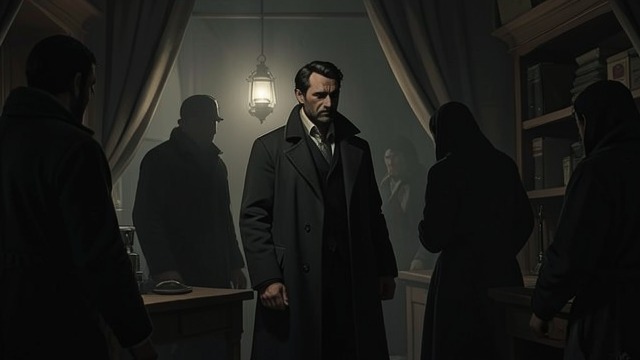
A Confession Unheard
The claim is spoken
Salieri wants the city to hear that he has murdered Mozart and expects the confession to secure his infamy. His servants and the Venticelli carry the story outward.
The claim is rejected
Reports describe him as deluded, and the public refuses to accept his version. His voice remains audible, but it no longer commands belief.
The ending distinguishes between being heard and being believed, leaving the audience with the responsibility to judge the story for itself.
At Salieri’s 1823 invocation
During the reception of Figaro
After Salieri survives his suicide attempt
