
The Father’s Shadow
AmadeusThis flow traces Mozart’s complicated attachment to Leopold and the way grief becomes dramatic material in his music.
increasing Bearing strength in each event
 decreasing
Bearing strength in each eventdecreasingA Father’s Authority
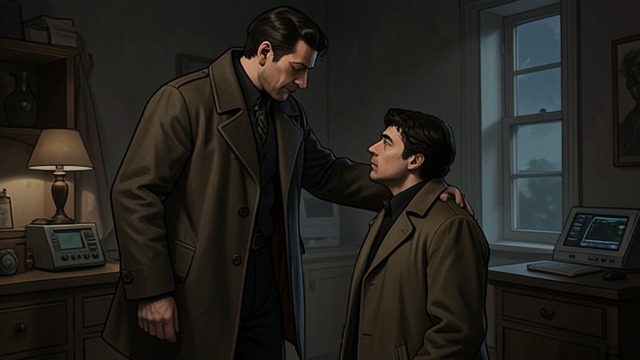
A Father’s Authority
Guidance and control
Leopold Mozart has guided his son’s early career and remains a powerful presence through letters and remembered admonitions. Mozart describes him as a source of protection against the world’s dangers, even while resenting his judgment.
A difficult independence
Mozart marries Constanze without securing Leopold’s approval and continues to behave in ways his father considers irresponsible. His independence is real, but the need for paternal approval persists beneath his bravado.
Their relationship establishes a tension between the adult composer’s freedom and the childlike dependence that others still perceive in him.
The News of Death
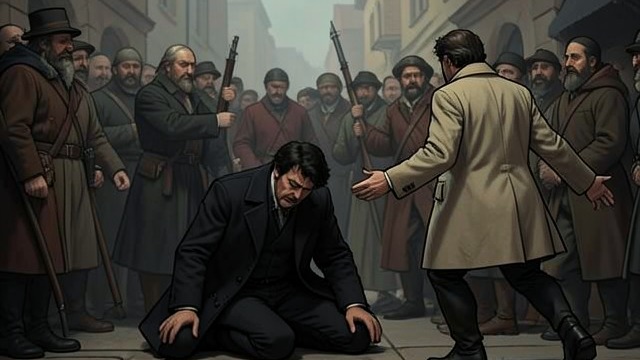
The News of Death
Grief breaks through pride
Mozart learns that Leopold has died and immediately fears that he has betrayed the man who warned and protected him. He lists his disobedience and regrets leaving his father alone.
Salieri’s false comfort
Salieri offers support and opens his arms, but Mozart turns away and collapses in grief. His sorrow is private and unguarded, briefly displacing his comic performance.
The scene reveals how much Leopold remains emotionally present even after Mozart has resisted his authority.
The Father Reimagined
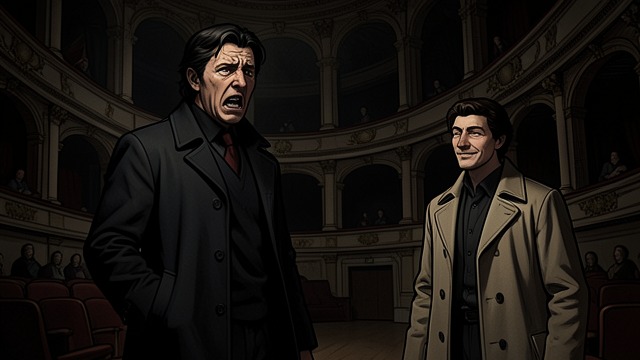
The Father Reimagined
Grief becomes opera
After Leopold’s death, Mozart shapes the terrifying father figure in Don Giovanni. The opera’s avenging presence transforms personal guilt and fear into a force that can confront the living.
A changed image
Later, The Magic Flute presents a more merciful order, and Salieri sees Leopold’s shadow transformed into a welcoming priestly figure. Mozart’s art appears capable of revising emotional experience rather than merely reproducing it.
The father’s presence develops from authority, to accusation, to an image of possible reconciliation.
Before Mozart settles in Vienna
After Figaro’s limited run
During the creation of Don Giovanni
