
The Secret State Versus Candor
American PrometheusThis thread traces Oppenheimer’s belief that secrecy endangered democracy and the failure of his efforts to make nuclear policy open to public judgment.
increasing Bearing strength in each event
 decreasing
Bearing strength in each eventdecreasingSecrecy at Los Alamos
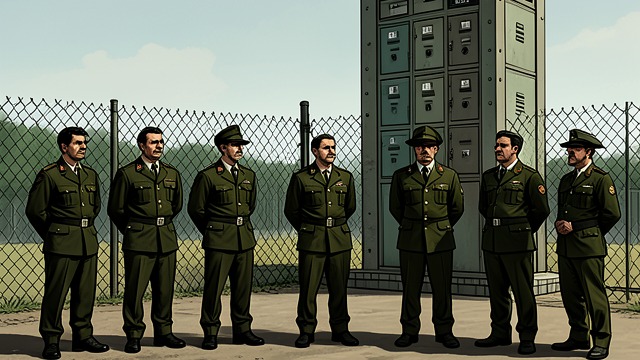
Secrecy at Los Alamos
Security by compartment
General Groves favored strict limits on information, while Oppenheimer believed scientific work required exchange. He accepted some restrictions but defended seminars and communication among qualified scientists.
A practical compromise
The laboratory never fully followed compartmentalization. Scientific necessity repeatedly pushed against military secrecy, establishing Oppenheimer as both a compliant director and a critic of the rules.
Bohr’s Open World

Bohr’s Open World
A global problem
Niels Bohr argued that nuclear danger required openness among nations and scientists. Oppenheimer found in this vision an alternative to secrecy and an arms race.
A political hope
The proposal required the Soviet Union to be informed before the war ended. The idea inspired Oppenheimer, but remained unacceptable to officials who wanted to preserve American advantage.
The Case for International Control
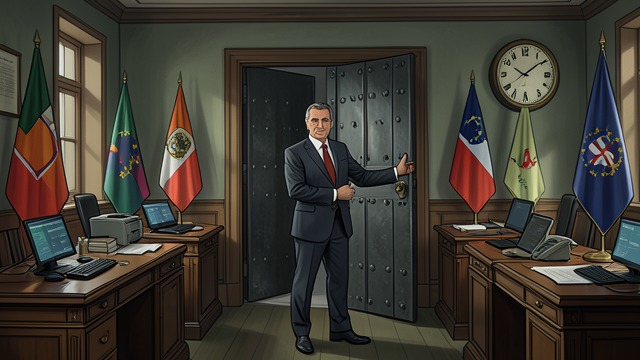
The Case for International Control
Transparency as security
Oppenheimer helped design an international authority that would control nuclear materials and develop peaceful uses. He argued that openness and shared oversight could prevent secret weapons programs.
A proposal rejected
The plan required partial national surrender of sovereignty. Baruch’s altered plan and Soviet distrust defeated the effort, leaving secrecy and national arsenals in place.
The Call for Candor
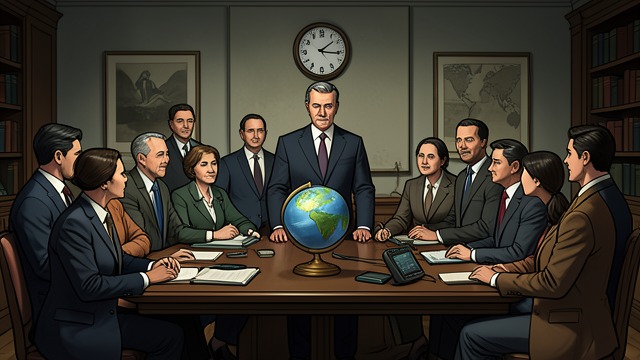
The Call for Candor
Hidden facts, bad decisions
Oppenheimer argued that secrecy kept citizens and officials from understanding the nuclear balance. He called for authoritative disclosure sufficient for a serious public debate.
Risk without openness
His warning that neither side could destroy the other without risking itself challenged the logic of strategic superiority. The speech disturbed officials invested in keeping nuclear planning secret.
The Secrecy Regime Prevails
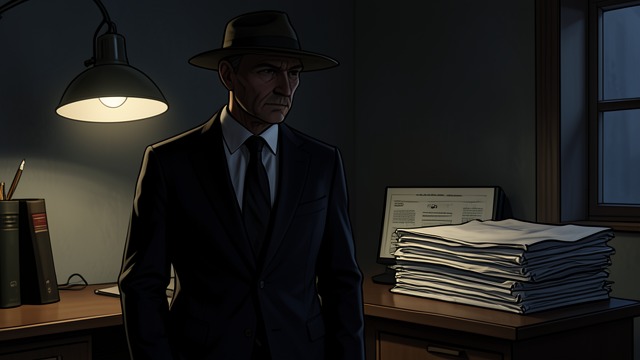
The Secrecy Regime Prevails
Clearance removed
After the hearing, Oppenheimer could no longer participate in government deliberations. His call for candor was weakened by the very system he had criticized.
Dissent becomes costly
The case discouraged scientists from challenging policy in public. Oppenheimer’s experience showed how secrecy could serve both as national-security procedure and as a means of silencing dissent.
1943, during the laboratory’s organization
1943–1944, during Bohr’s stay at Los Alamos
1946, during the Acheson-Lilienthal plan
1953, in Oppenheimer’s public address
1954–1955, after the hearing
