
Oppenheimer’s Two Great Loves
American PrometheusThis thread traces how physics and New Mexico shaped Oppenheimer’s sense of freedom, identity, and refuge.
increasing Bearing strength in each event
 decreasing
Bearing strength in each eventdecreasingA Solitary Passion for Science
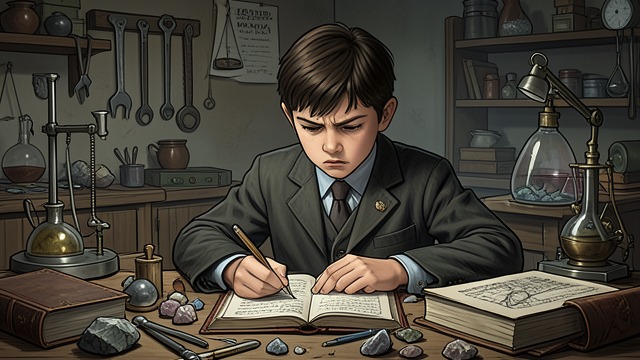
A Solitary Passion for Science
Early fascination
Robert collected minerals, read widely, and pursued scientific questions with unusual intensity. His parents gave him tools and books, allowing private interests to become a central identity.
A narrow social world
Intellectual work offered safety and distinction, but it also deepened his isolation. Harvard expanded his learning without providing the close guidance he had known at school.
New Mexico as Renewal
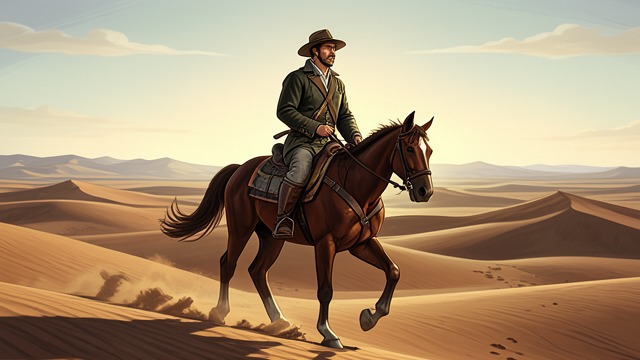
New Mexico as Renewal
Physical challenge
Horseback journeys and desert landscapes awakened a more playful, resilient side of Robert. He relished danger and the bodily freedom of riding and sailing.
A lasting attachment
The New Mexico landscape became a place of emotional renewal. It offered an alternative to the intellectual and social constraints he experienced elsewhere.
A Private Sanctuary
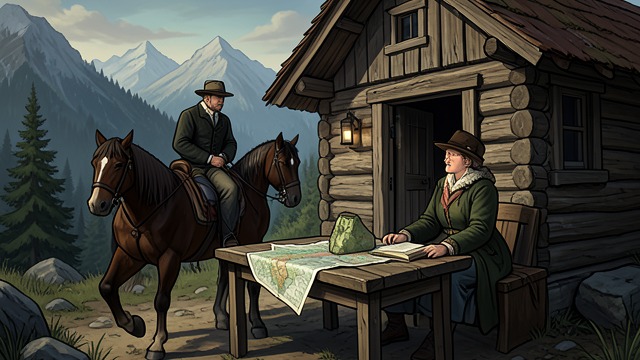
A Private Sanctuary
Returning to the mountains
Oppenheimer and Frank leased and later bought Perro Caliente. The rustic cabin became a summer refuge for long rides, conversation, and an austere life far from campus.
Science and landscape
He wished physics and New Mexico could be combined. The ranch could not answer that wish, but it sustained him through periods of exhausting intellectual and political work.
Los Alamos and the Mesa
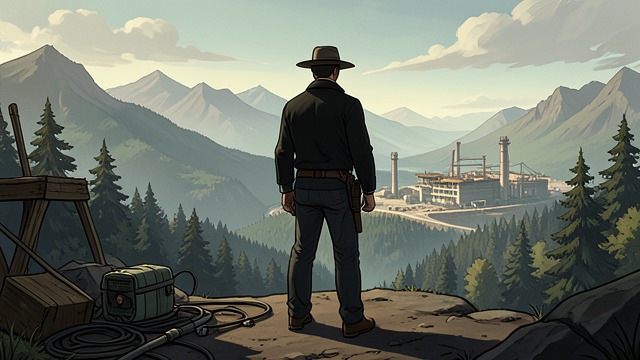
Los Alamos and the Mesa
Two loves converge
The Manhattan Project brought Oppenheimer back to the plateau he loved. Los Alamos combined a familiar landscape with his greatest professional responsibility.
Beauty under transformation
The laboratory’s construction damaged the place even as its scenery sustained workers. Oppenheimer later acknowledged responsibility for helping turn a beautiful wilderness into a weapons town.
Island Refuge
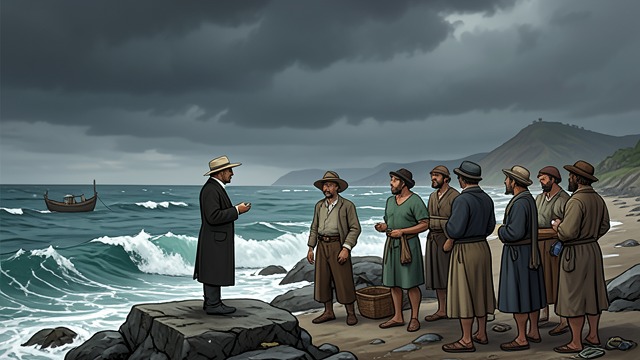
Island Refuge
A quieter life
After the hearing, St. John offered sailing, swimming, and distance from Washington. Oppenheimer formed friendships with residents and returned to a simpler rhythm.
Refuge and retreat
The island helped him endure public humiliation and illness, but it did not erase the past. His ashes eventually joined the waters that had given him a final refuge.
Childhood through Harvard, 1904–1925
1922–1928, during visits to the Southwest
1928–1942, at Perro Caliente Ranch
1942–1945, from the site search to the bomb project
1954–1967, during repeated stays on St. John
