
The Politics of Atomic Diplomacy
American PrometheusThis thread traces the shift from Oppenheimer’s hope for shared international control to his reluctant acceptance of Cold War deterrence.
increasing Bearing strength in each event
 decreasing
Bearing strength in each eventdecreasingA Shared Postwar Vision
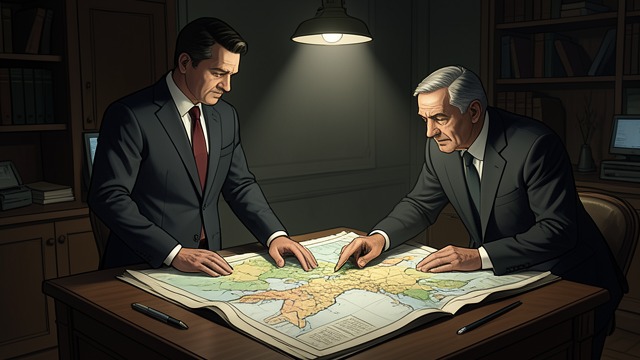
A Shared Postwar Vision
Preventing a race
Oppenheimer supported Bohr’s proposal to inform the Soviet Union and build an open system of atomic oversight. He helped develop a plan that joined control with peaceful uses.
A fragile chance
The plan demanded transparency and shared authority. Political mistrust and American efforts to preserve advantage made the necessary agreement increasingly unlikely.
Baruch Recasts the Plan
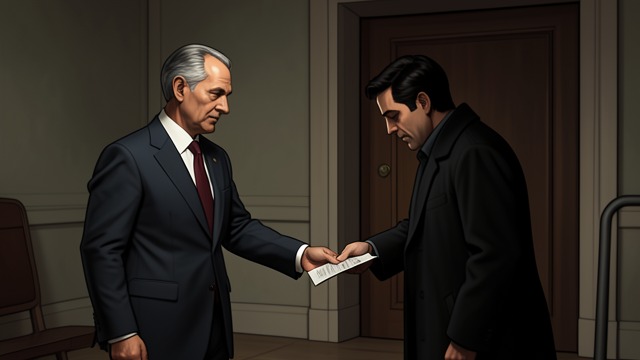
Baruch Recasts the Plan
Punishment and monopoly
Bernard Baruch added punitive provisions and conditions that would preserve American weapons while the new authority took shape. Oppenheimer saw this as a plan to prepare for Soviet refusal.
A failed negotiation
The Soviet Union rejected the proposal, and the United States dismissed its response. The early chance to build confidence around atomic energy disappeared.
The Soviet Bomb

The Soviet Bomb
A monopoly ends
The Soviet Union’s first atomic test confirmed that American nuclear superiority would not last. Oppenheimer saw this as a reason to reopen discussion, not simply build more weapons.
A different response
Officials chose to increase production and pursue the Super. The event shifted the debate from international control toward competitive armament.
Candor Against Secrecy

Candor Against Secrecy
Public understanding
Oppenheimer urged leaders to tell Americans the basic facts about the nuclear balance. He argued that secrecy encouraged fantasy and prevented democratic judgment.
An opposing doctrine
Strauss regarded disclosure as dangerous, while the administration moved toward massive retaliation. Oppenheimer’s case for candor was increasingly isolated and politically costly.
Scorpions in a Bottle

Scorpions in a Bottle
A stark metaphor
Oppenheimer described two nuclear powers able to kill each other but only at the risk of their own destruction. The image condensed his critique of strategic superiority.
The metaphor is ignored
His warning anticipated mutual vulnerability, but policy continued to emphasize nuclear buildup. The speech contributed to Strauss’s conviction that Oppenheimer’s influence had to be curtailed.
1944–1946, from Bohr’s proposals to the Acheson-Lilienthal report
1946, during negotiations at the United Nations
August–September 1949, after the Soviet test
1953, during the Eisenhower transition
February 1953, in Oppenheimer’s Council address
