
The Hearing’s Legacy in American Politics
American PrometheusThis thread traces how the Oppenheimer case changed the space for dissent among scientists and liberals in Cold War America.
increasing Bearing strength in each event
 decreasing
Bearing strength in each eventdecreasingA Climate of Suspicion

A Climate of Suspicion
Loyalty scrutiny expands
The fear of espionage led to surveillance and security investigations of scientists and government officials. Political associations increasingly became proxies for questions of loyalty.
Dissent becomes vulnerable
Oppenheimer’s influence made him a tempting target. The political climate narrowed the space in which experts could criticize weapons policy without personal risk.
A Case Without Espionage

A Case Without Espionage
No evidence of secrets passed
The hearing did not establish that Oppenheimer had delivered atomic secrets to the Soviet Union. Instead it focused on associations, judgment, and the Chevalier story.
A political verdict
He was labeled a security risk despite being called loyal. The result showed that disagreement and past affiliations could carry penalties without a criminal finding.
Scientists Watch the Outcome
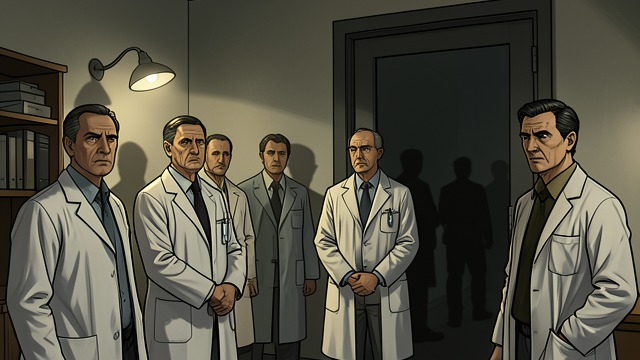
Scientists Watch the Outcome
A warning to colleagues
Scientists saw that Oppenheimer’s expertise did not shield him from political punishment. Some feared that public disagreement with defense policy could end careers.
A profession changes
The case encouraged researchers to remain technical advisers rather than public critics. The scientist’s role narrowed as national-security institutions grew more powerful.
Liberalism on Trial

Liberalism on Trial
A broader target
Oppenheimer’s experience implicated Roosevelt-era liberals who had worked with the Popular Front. Their causes were recast as signs of disloyalty.
Rules of debate change
The case suggested that criticizing nuclear strategy could invite accusations about character and allegiance. Liberal advisers learned how costly dissent had become.
A Public Rehabilitation

A Public Rehabilitation
Symbolic recognition
The Fermi Award signaled that many political leaders considered the 1954 decision unjust. It restored public honor without restoring official access.
A lasting caution
Oppenheimer’s experience remained a warning about the cost of dissent and the fragility of democratic principles. His story continued to shape arguments about science and government.
Late 1940s, as anticommunism intensified
1954, during the AEC hearing
1954–1955, after the ruling was announced
1954–1960, as the case enters public debate
1963–1967, from the Fermi Award to Oppenheimer’s death
