
The Birth of the Atomic Age
American PrometheusThis thread traces the progress from fission’s discovery through Trinity and the use of atomic weapons on Japan.
increasing Bearing strength in each event
 decreasing
Bearing strength in each eventdecreasingFission Becomes a Weapon
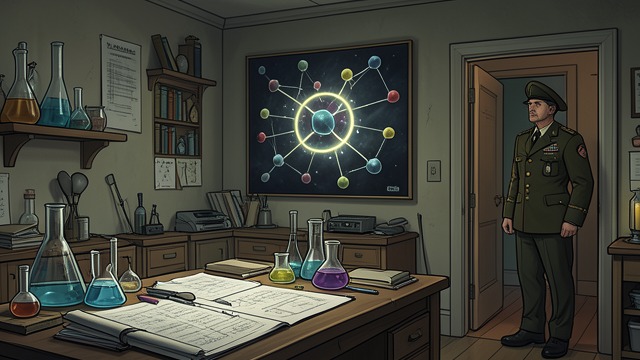
Fission Becomes a Weapon
A discovery spreads
The discovery of nuclear fission quickly raised the possibility of an explosive chain reaction. Oppenheimer grasped that the physics could lead both to power and to bombs.
Fear shapes the project
Scientists worried that Nazi Germany might build a weapon first. Their fears helped transform a speculative field into a government-backed race.
From Estimates to Construction
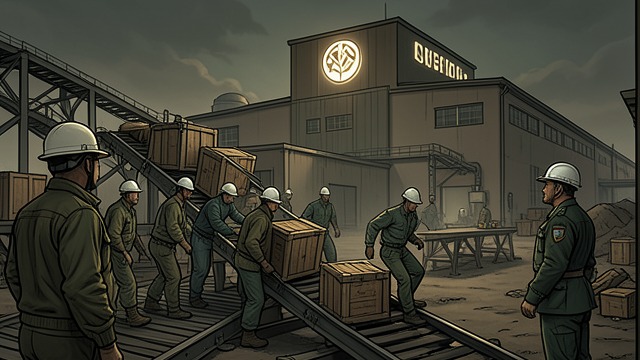
From Estimates to Construction
A new urgency
British calculations and growing American concern gave the bomb project momentum. Oppenheimer contributed to estimates of the fissionable material needed for a weapon.
A national undertaking
The effort moved beyond committees into a vast industrial and military program. Scientific work now depended on factories, logistics, secrecy, and centralized authority.
Los Alamos’s First Design
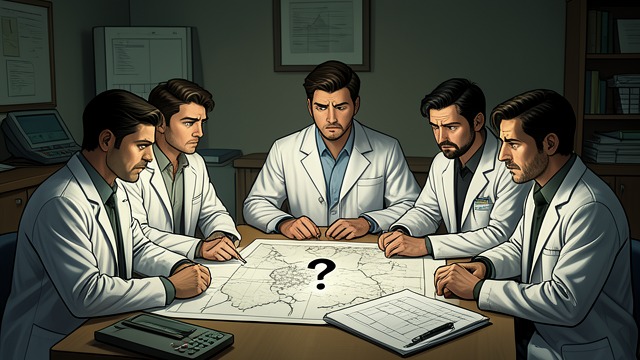
Los Alamos’s First Design
A shared technical picture
Robert Serber’s lectures explained the basic design problems to scientists arriving at Los Alamos. The laboratory moved from general feasibility toward engineering choices.
An unresolved route
The uranium gun design seemed straightforward, while implosion remained uncertain. Oppenheimer’s role was to focus the laboratory on problems that could determine whether a weapon would work.
The Plutonium Crisis
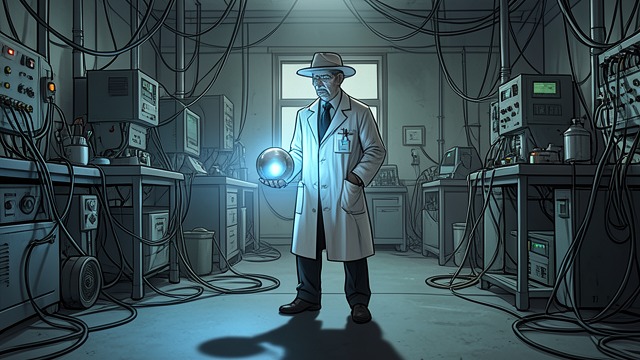
The Plutonium Crisis
A failed assumption
Tests showed that a plutonium gun assembly would likely pre-detonate. The laboratory risked losing the value of its plutonium production program.
A consequential gamble
Oppenheimer backed implosion despite limited progress and urged a concentrated effort. The decision redirected the laboratory and eventually made the plutonium weapon possible.
The Test and the Bombings
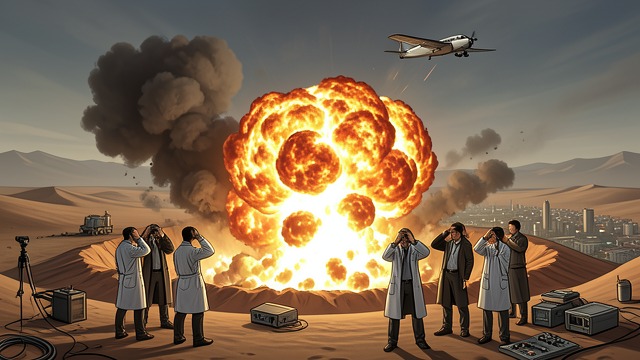
The Test and the Bombings
Trinity succeeds
The first nuclear test produced an immense explosion, confirming that the implosion design worked. The team’s achievement brought relief and an immediate awareness of unprecedented destructive power.
Weapons are used
Atomic bombs were dropped on Hiroshima and Nagasaki. Oppenheimer’s technical triumph became inseparable from the human destruction that followed.
1939, after nuclear fission was demonstrated
1941–1942, as the U.S. project expands
Spring 1943, during the laboratory’s opening
Summer 1944, after plutonium pre-detonation concerns
July–August 1945, in New Mexico and Japan
