
The Disarmament Panel’s Lost Opening
American PrometheusThis thread traces Oppenheimer’s final effort to persuade the Eisenhower administration that candor, restraint, and arms control could reduce nuclear danger.
increasing Bearing strength in each event
 decreasing
Bearing strength in each eventdecreasingA Panel Is Convened
A Panel Is Convened
Another advisory role
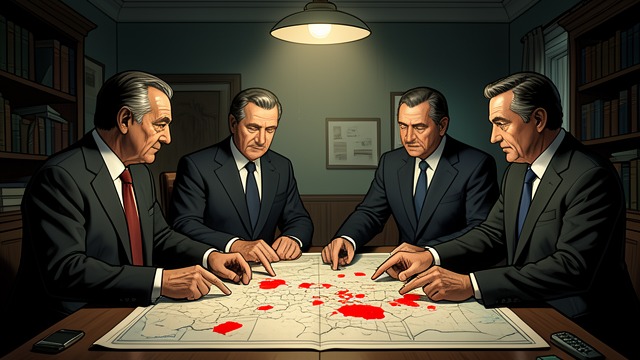
Oppenheimer chaired a State Department panel on disarmament with Vannevar Bush, Allen Dulles, and other senior figures. He saw a chance to reconsider policy after the hydrogen-bomb decision.
The problem remains
The panel confronted a nuclear competition already shaped by secrecy and distrust. Oppenheimer wanted proposals grounded in both military reality and public understanding.
A Moratorium Proposal
A Moratorium Proposal
Testing as a choice
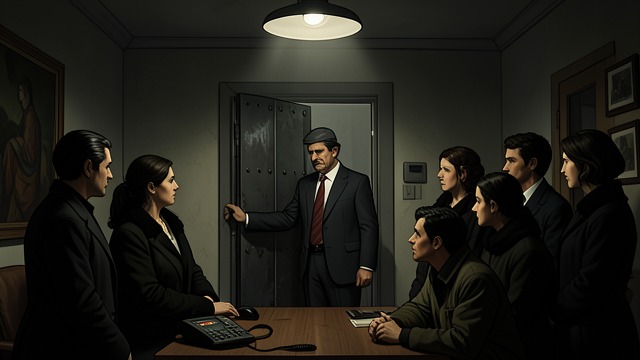
The panel discussed a pause in thermonuclear tests, arguing that a test could spur Soviet efforts and disclose useful technical information. Oppenheimer supported making that case to the administration.
No political opening
Defense officials judged a pause too risky. The panel’s proposal could not overcome a policy environment that equated restraint with weakness.
The Appeal for Candor

The Appeal for Candor
Let citizens understand
Oppenheimer argued that citizens needed authoritative information about nuclear weapons and the balance of power. He said secrecy prevented facts from being used in policy debate.
A controversy begins
His essay drew sharp criticism from Strauss, who viewed openness as a danger to security. The disagreement made Oppenheimer’s public voice a direct challenge to the administration.
A White House Briefing
A White House Briefing
A case made to leaders
Oppenheimer and Lee DuBridge briefed President Eisenhower and the National Security Council on nuclear strategy. He urged candor and a more serious consideration of the danger of an arms race.
A guarded reception
The briefing held officials’ attention, but the president did not commit to Oppenheimer’s recommendations. Strauss began warning Eisenhower that the physicist was not trustworthy.
From Candor to Exile
From Candor to Exile
Policy dissent is recoded
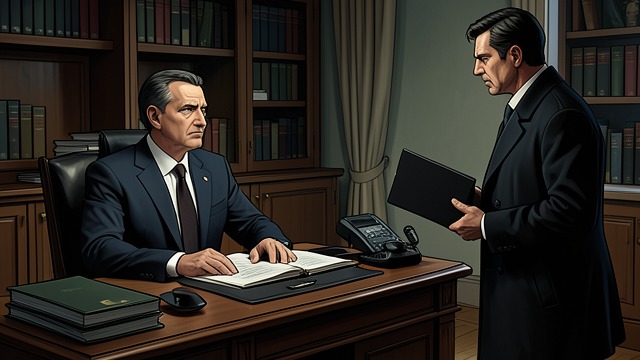
Strauss connected Oppenheimer’s advocacy of openness with older allegations about his political past. The result was a security case rather than a policy debate.
The opening closes
The State Department panel’s proposals lost influence as Oppenheimer lost his clearance. The official system chose secrecy and deterrence over the public reconsideration he sought.
Spring 1953, as the Eisenhower administration takes office
June 1953, during the panel’s deliberations
June 1953, when Oppenheimer’s address reached the public
May 1953, during Oppenheimer’s meeting with the National Security Council
Late 1953–1954, as the security case begins
