
The Rupture with Lewis Strauss
American PrometheusThis thread traces how policy disagreements, institutional power, and personal resentments turned Oppenheimer and Strauss into political enemies.
increasing Bearing strength in each event
 decreasing
Bearing strength in each eventdecreasingA Correct Beginning
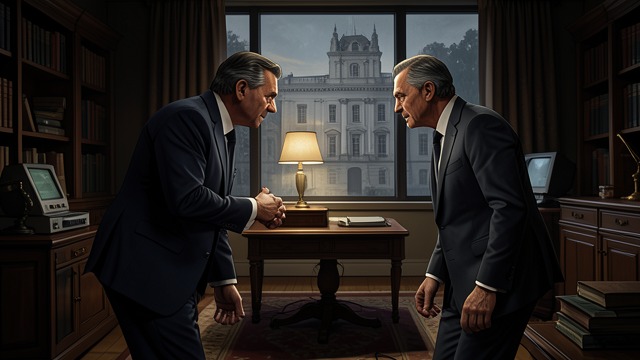
A Correct Beginning
Mutual usefulness
Strauss helped recruit Oppenheimer to lead the Institute for Advanced Study, and Oppenheimer initially thought him unlikely to obstruct important work. Their relationship began as a practical alliance.
Different temperaments
Strauss valued control, secrecy, and institutional authority; Oppenheimer favored intellectual independence and broad discussion. The differences were present before either man treated the other as an enemy.
A Contest for Influence
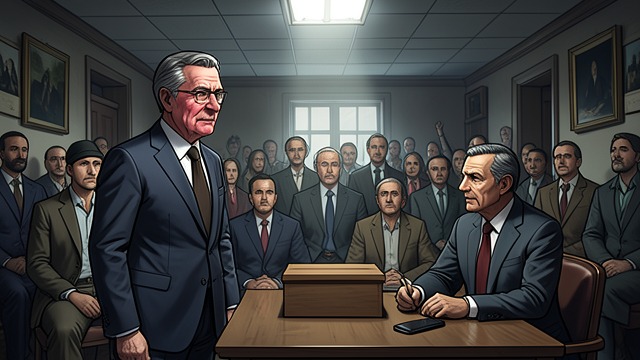
A Contest for Influence
Institutional friction
Strauss sought influence over Institute affairs while Oppenheimer tried to direct appointments and protect the institution’s independence. Their competing authority produced suspicion and resentment.
Public humiliation
At a congressional hearing on radioisotopes, Oppenheimer used ridicule to dismiss Strauss’s concern. Strauss felt personally belittled and remembered the encounter as an injury to his authority.
The Super Dispute
The Super Dispute
Policy opposition
Oppenheimer and the General Advisory Committee opposed a crash program to build a thermonuclear weapon. Strauss supported rapid development and believed Oppenheimer had obstructed it.
Suspicion hardens
Strauss interpreted Oppenheimer’s reservations as more than a policy judgment. His belief that the scientist was impeding national defense shaped a personal campaign against him.
An Organized Campaign
An Organized Campaign
Old files, new purpose
Strauss pursued allegations from Oppenheimer’s past and cultivated allies who shared his doubts. William Liscum Borden’s accusations gave the effort a more systematic form.
A target identified
The objective became the removal of Oppenheimer’s influence and access. Surveillance, security reviews, and public attacks converged around a case that treated advice as evidence of disloyalty.
The Hearing and Its Afterlife
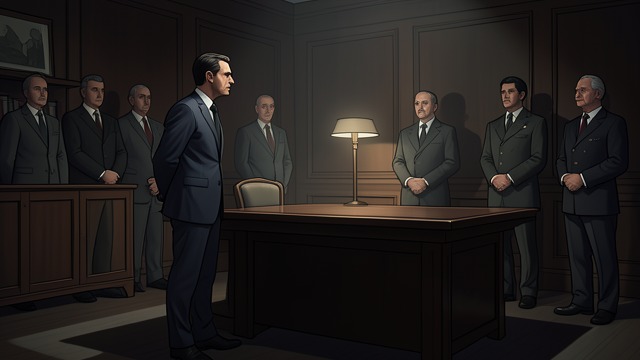
The Hearing and Its Afterlife
The clearance is revoked
Strauss helped bring Oppenheimer before a security board and supported the decision against him. The hearing sharply reduced Oppenheimer’s government role and damaged his public standing.
A lasting reversal
Years later, the transcript and the manner of the proceedings harmed Strauss’s reputation. His Senate nomination failed amid renewed criticism of his conduct in the Oppenheimer case.
1946–1947, during Oppenheimer’s appointment to Princeton
1948–1949, at the Institute and the AEC
1949–1950, during the hydrogen-bomb debate
1951–1953, as Strauss gathered allegations
1954–1959, from the security ruling to Strauss’s nomination fight
