
Love, Loss, and Human Connection
American PrometheusThis thread traces how Oppenheimer’s intense attachments offered companionship while also exposing his difficulty with intimacy, separation, and responsibility.
increasing Bearing strength in each event
 decreasing
Bearing strength in each eventdecreasingFew but Intense Friendships

Few but Intense Friendships
Companionship on intellectual terms
Oppenheimer formed a small number of deep friendships, especially with Francis Fergusson and Paul Horgan. He often related to people through shared books and ideas.
Emotional limits
His intensity could make friendship demanding. He wanted closeness yet struggled to initiate ordinary social and romantic relationships.
A Friend Who Stayed
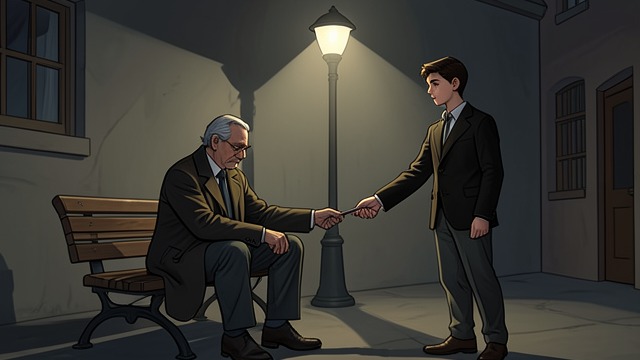
A Friend Who Stayed
A witness to distress
Fergusson saw Oppenheimer’s depression, impulsive conduct, and shame in Europe. Robert confided in him even when his behavior frightened or hurt his friend.
Compassion without certainty
Fergusson stayed close and accepted apologies without pretending to understand everything. Their friendship endured because it could survive both affection and difficult truth.
A Teacher’s Gentle Influence
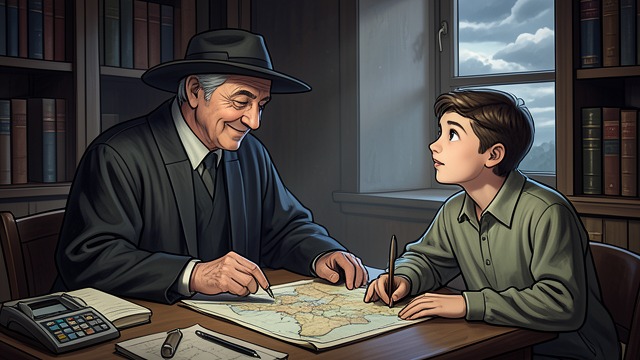
A Teacher’s Gentle Influence
Guidance and trust
Herbert Winslow Smith recognized Robert’s intellectual gifts and offered patient mentorship. He helped Robert travel west and witnessed his growing confidence.
A model of care
Smith provided a relationship that combined instruction, friendship, and emotional support. His influence helped Robert imagine himself as more than a solitary prodigy.
Friendship with Rabi

Friendship with Rabi
Honesty between equals
Rabi appreciated Oppenheimer’s breadth and insight, but refused to flatter him. He could challenge Robert directly when others found him intimidating.
Loyalty through crisis
Rabi opposed nuclear weapons and later defended Oppenheimer during the security hearing. Their friendship endured disagreements because each trusted the other’s candor.
A Final Refuge in Friends
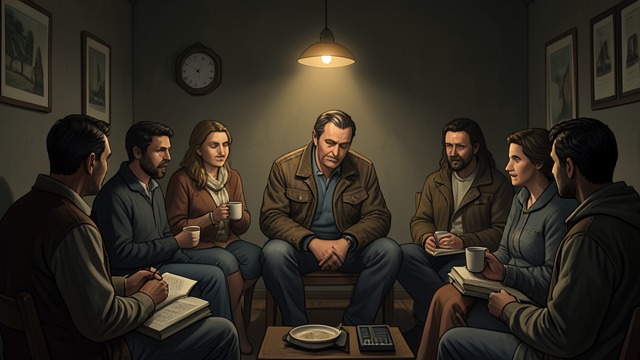
A Final Refuge in Friends
Companionship after disgrace
Oppenheimer found comfort in a small circle of friends, including island residents and scholars. He was gentler and less combative in later years.
An end among intimates
Friends visited during his illness, and his wife and daughter accompanied him in his final days. Personal bonds remained more sustaining than public rehabilitation.
1919–1925, from Ethical Culture School to Harvard
1925–1926, through Oppenheimer’s European crisis
1911–1922, from school through the New Mexico journey
1929–1967, across scientific and political lives
1954–1967, in Princeton and on St. John
