
Oppenheimer’s Changing Relationship to War
American PrometheusThis thread traces Oppenheimer’s movement from concern about fascism to wartime weapon-building and postwar opposition to nuclear strategy.
increasing Bearing strength in each event
 decreasing
Bearing strength in each eventdecreasingWar as a Distant Question

War as a Distant Question
A sheltered observer
Oppenheimer grew up in a household marked by the conflicts of European war but without a clear record of his own early views. His school emphasized ethical debate about war and peace.
Moral preparation
The classroom offered principles, not practical answers. The gap between abstract ethics and real conflict would later become central to his decisions.
Anti-Fascist Engagement
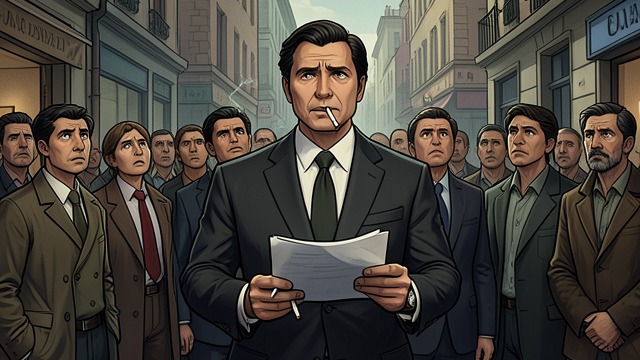
Anti-Fascist Engagement
A political awakening
Oppenheimer supported relief for the Spanish Republic and became increasingly concerned by fascism. He believed left-wing organization could oppose oppression and protect refugees.
A changing allegiance
The Nazi-Soviet pact and reports of Soviet terror complicated his political sympathies. He began to separate his anti-fascism from loyalty to the Communist Party.
Wartime Participation
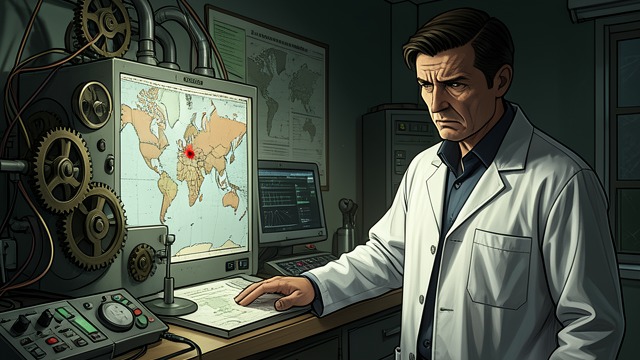
Wartime Participation
A weapon justified by urgency
Oppenheimer accepted the bomb project because he feared Nazi acquisition and wanted to aid the war effort. He argued that the weapon had to be built before the enemy could build it.
A mission becomes an institution
His patriotic commitment shaped recruitment, administration, and the laboratory’s sense of purpose. Once the threat changed, the project’s rationale became less clear.
The End of the German Race
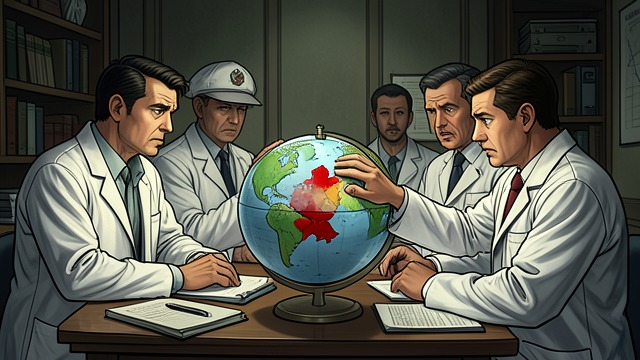
The End of the German Race
A justification disappears
Germany surrendered before the atomic bomb was ready. Scientists at Los Alamos began asking why work continued and how the weapon would be used against Japan.
A new debate
Oppenheimer argued that the world needed to see the danger of the bomb, but did not support a warning or demonstration before use. His reasoning turned toward long-term deterrence.
War Becomes Unthinkable
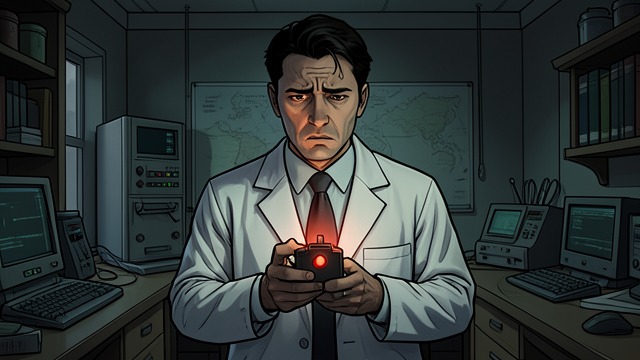
War Becomes Unthinkable
A changed definition
Oppenheimer came to argue that nuclear weapons made major war intolerable and could destroy civilization. The problem was no longer simply how to win, but how to prevent war.
A warning without authority
He urged international control and later criticized massive retaliation. After the hearing, his voice carried moral weight but little direct influence on military plans.
1914–1921, during World War I and its aftermath
1936–1941, during the Spanish Civil War and European crisis
1942–1945, during the race against Nazi Germany
May 1945, after Germany’s surrender
1945–1963, from Hiroshima to later arms-control warnings
