
The Security Hearing as a Contest
American PrometheusThis thread traces the hearing’s procedural imbalance, Oppenheimer’s testimony, and the political consequences of a judgment that stopped short of espionage.
increasing Bearing strength in each event
 decreasing
Bearing strength in each eventdecreasingThe Letter of Charges
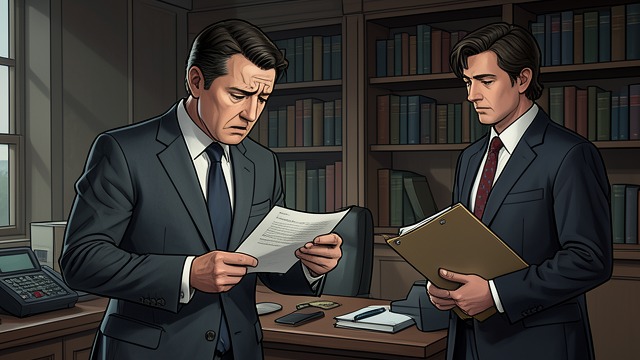
The Letter of Charges
A broad accusation
The AEC’s letter combined old political associations, the Chevalier affair, and Oppenheimer’s opposition to the hydrogen bomb. It framed questions of judgment and policy as security concerns.
No neutral beginning
Oppenheimer was offered resignation or a hearing, but had little time and no access to all the material in his file. The choice set the terms of a deeply unequal process.
The Board Studies Secret Files
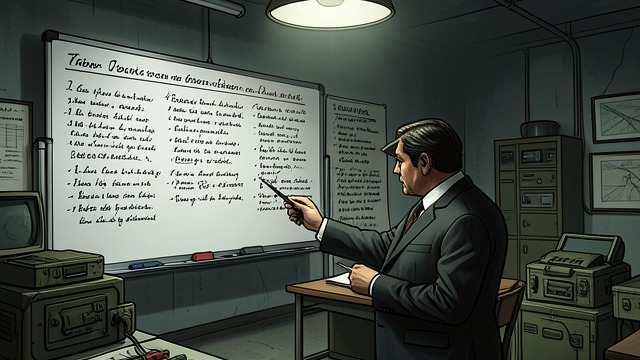
The Board Studies Secret Files
Unequal preparation
The board reviewed classified FBI materials before the hearing, while Oppenheimer’s lawyers were denied access. Prosecutor Roger Robb could use information unavailable to the defense.
An inquiry in name
Although the proceeding was called an inquiry, it had many features of a trial without ordinary protections. The imbalance shaped what evidence could be tested and contested.
Cross-Examination and Confession
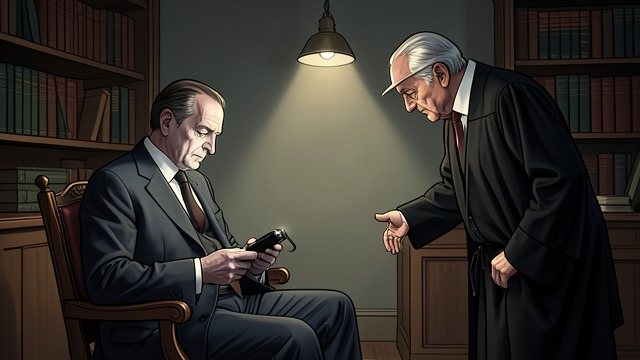
Cross-Examination and Confession
A devastating admission
Robb confronted Oppenheimer with the recording of his 1943 interview. Oppenheimer admitted that he had lied and, under pressure, called himself an idiot.
The witness is diminished
He tried to explain his motives but accepted Robb’s increasingly hostile framing. His candor became a weapon against him, and his personal life was exposed alongside security questions.
Witnesses and the State
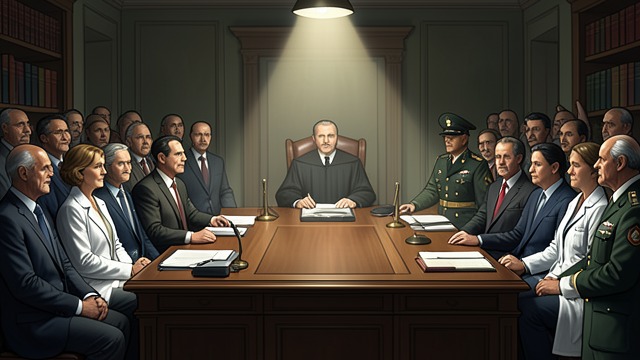
Witnesses and the State
Support and division
Vannevar Bush, John McCloy, Isidor Rabi, and others defended Oppenheimer’s loyalty and contribution. Edward Teller nevertheless said he would trust the country’s interests in other hands.
A political theater
The hearing exposed disputes among scientists, officials, and friends. It also showed how the state could make a policy conflict appear to be a character defect.
The Final Judgment
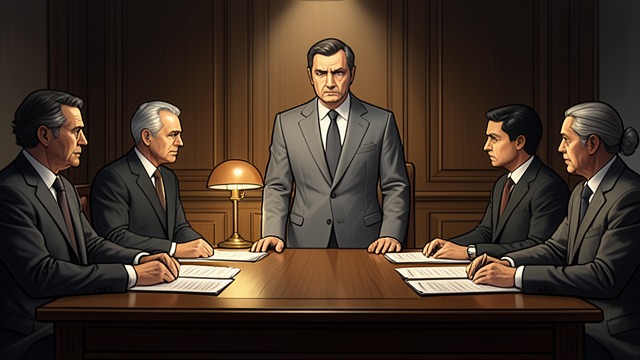
The Final Judgment
Loyalty without clearance
The Gray Board called Oppenheimer loyal but recommended against restoring his clearance. The AEC accepted the recommendation, despite a dissent arguing that the decision was a national disgrace.
A broader warning
No espionage was proven, yet his influence was curtailed. The verdict marked a boundary around which kinds of scientific dissent the government would tolerate.
December 1953, after the clearance was suspended
Early April 1954, before testimony began
April 14–16, 1954, during Robb’s questioning
Late April 1954, during the defense case
May–June 1954, after the hearings ended
