
Frank Oppenheimer’s Second Career
American PrometheusThis thread traces Frank’s scientific promise, political persecution, years as a rancher, and return through the Exploratorium.
increasing Bearing strength in each event
 decreasing
Bearing strength in each eventdecreasingAn Experimental Physicist
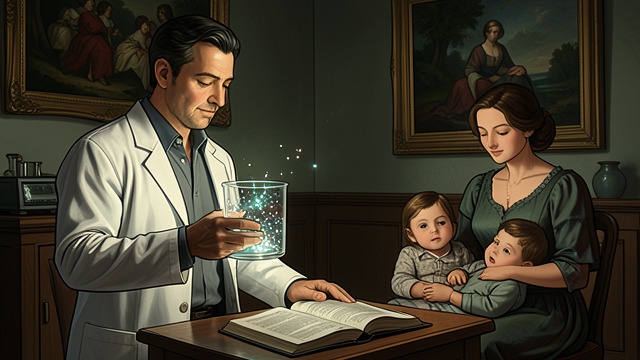
An Experimental Physicist
A different temperament
Frank shared his brother’s intelligence but preferred hands-on laboratory work. He developed a promising career in experimental physics and research on cosmic rays.
A life beyond work
Music, painting, and family mattered deeply to him. His range of interests made him less driven by status and less abrasive than Robert.
Dismissed After HUAC
Dismissed After HUAC
Candor has a price
Frank admitted his Communist Party membership and refused to name friends. His university accepted his resignation soon after his testimony.
Professional exile
His dismissal ended a rising academic career. Denied a passport and unable to find a U.S. teaching job, he had to rebuild his life far from the laboratory.
A Ranching Life
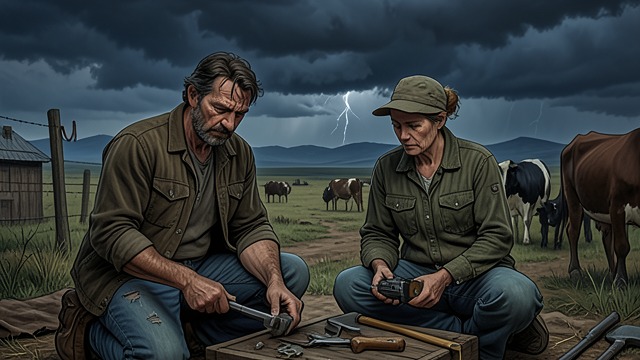
A Ranching Life
Forced reinvention
Frank and Jackie worked a remote ranch after academic employers shut their doors. Their life involved hard physical work and financial uncertainty.
A brother’s concern
Robert urged Frank to return to science, but no immediate path was available. Frank established an identity outside his famous brother’s shadow.
Return to Academia
Return to Academia
A new appointment
The University of Colorado gave Frank an opportunity to return to physics. A Guggenheim Fellowship later supported his research in London.
An idea emerges
Visits to European science museums suggested a more public and participatory way to teach science. Frank began imagining a place where visitors could explore scientific principles themselves.
The Exploratorium
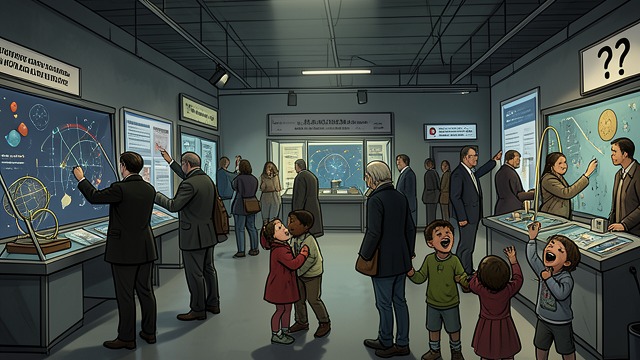
The Exploratorium
A hands-on museum
Frank and Jackie opened the Exploratorium as an interactive science museum. The exhibits turned scientific understanding into a shared, practical experience.
An enduring legacy
The project joined education, curiosity, and public empowerment. It fulfilled a different vision of science from the closed and militarized world that had defined Frank’s postwar exclusion.
1930s, during his training and early research
June 1949, after Frank’s congressional testimony
Late 1940s–1959, in Colorado
1959–1965, at the University of Colorado and abroad
1969 onward, in San Francisco
