
The Evolution of Oppenheimer’s Public Voice
American PrometheusThis thread traces Oppenheimer’s movement from politically detached scholar to advocate, adviser, and finally a constrained public critic.
increasing Bearing strength in each event
 decreasing
Bearing strength in each eventdecreasingA Self-Described Outsider

A Self-Described Outsider
Science first
Oppenheimer presented himself as largely uninterested in contemporary politics. His professional life centered on physics, literature, and private intellectual pursuits.
A sheltered perspective
He was not wholly unaware of public affairs, but lacked a framework for connecting them to ordinary lives. That distance would soon become impossible to maintain.
An Advocate of Causes

An Advocate of Causes
Engagement begins
Oppenheimer supported labor, civil liberties, refugees, and the Spanish Republic. His political activity grew from ethical concern and relationships with committed friends.
A new public role
He began speaking and organizing, accepting that scientists lived within society rather than outside it. The change made his science more socially engaged and his politics more visible.
Wartime Patriotism
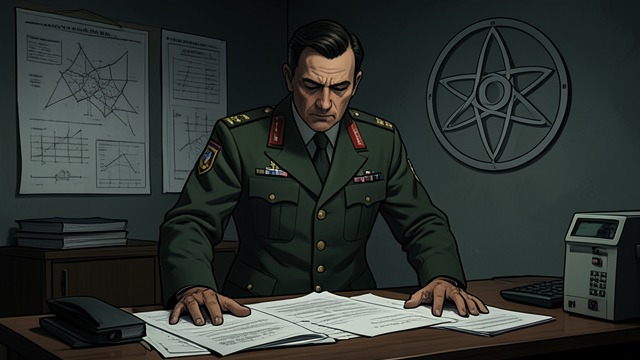
Wartime Patriotism
A different kind of action
Oppenheimer set aside political organizing and directed his energies toward the bomb project. He believed defeating Nazi Germany was an urgent national purpose.
Service and transformation
He became an effective wartime leader, adopting the language and responsibilities of government service. His earlier radicalism did not disappear, but it was subordinated to the project’s mission.
The Insider’s Dissent

The Insider’s Dissent
Advice from within
Oppenheimer tried to influence atomic policy through committees and private access to officials. He argued for international control, candor, and restraint.
Access narrows
He repeatedly compromised to remain in the room, even when his recommendations were rejected. His growing frustration exposed the limits of influence without independent public power.
The Exiled Public Figure
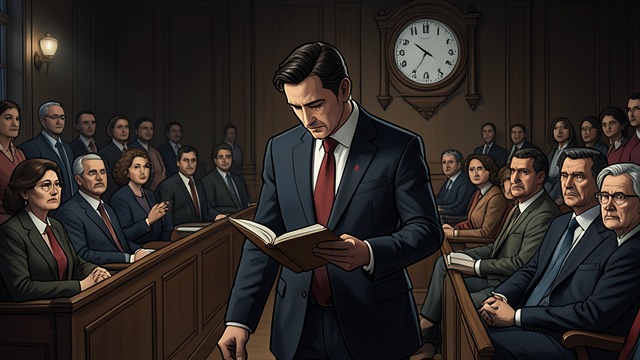
The Exiled Public Figure
A reduced platform
After the hearing, Oppenheimer lost his government role but retained a public reputation. He spoke through lectures, essays, and cultural reflection rather than official advice.
Silence and regret
He avoided organized protest and felt constrained by his past and public image. The book portrays an intellectual still morally engaged but no longer willing to risk another confrontation.
Before 1934, during his early academic career
1934–1942, amid labor unrest and anti-fascism
1942–1945, during the Manhattan Project
1945–1953, during postwar nuclear policymaking
1954–1967, after loss of clearance
