
The Valley’s Vanishing Work
American RustThe decline of industrial employment changes what residents believe they can achieve and turns family, local loyalty, and migration into competing forms of security.
increasing Bearing strength in each event
 decreasing
Bearing strength in each eventdecreasingSteel as a Shared World
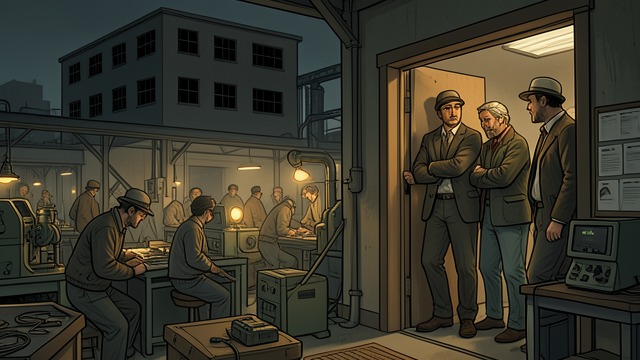
Steel as a Shared World
Work organizes the town
The mills and their supporting industries shape the rhythms of Buell and the wider Valley. Employment carries identity as well as income.
A remembered standard
Older residents recall crowded shift changes and steady wages, making present-day decline feel like the loss of an entire social world.
Jobs Disappear
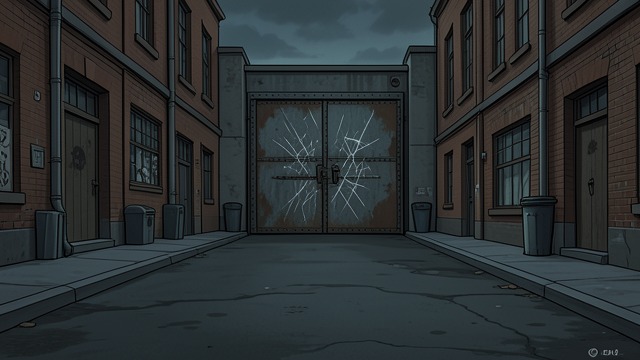
Jobs Disappear
Economic damage spreads
The closing mills take away work across the Valley, and smaller industries and municipal services weaken along with them.
The burden is local
Families like the Poes and Englishes confront limited jobs, unpaid bills, and few realistic routes to relocate. Individual struggle unfolds inside a broad economic collapse.
The Cost of Staying
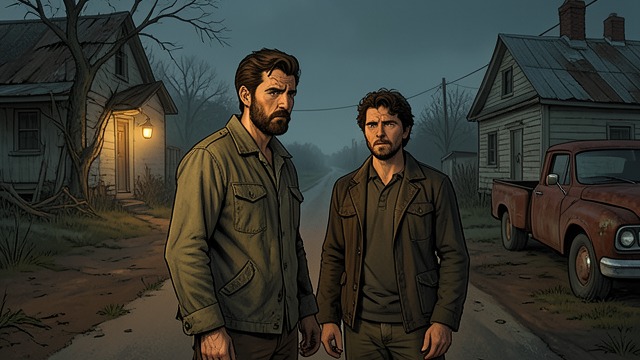
The Cost of Staying
Few attractive choices
Isaac English and Billy Poe each have reasons to leave, but family care, limited money, and local attachment hold them in Buell.
A constrained freedom
Their decisions are personal, yet they are made within an economy that offers few stable futures. Staying can look like a free choice while also reflecting the absence of alternatives.
The Police at the Tipping Point
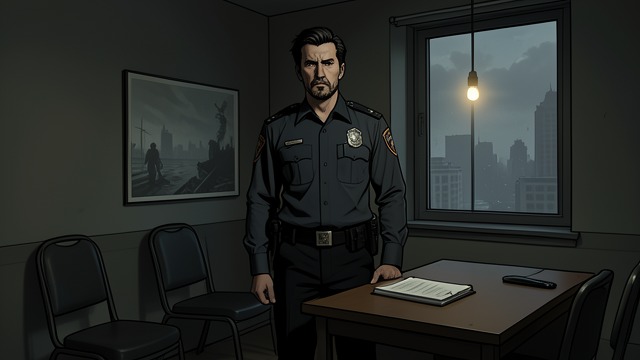
The Police at the Tipping Point
Shrinking capacity
Bud Harris faces budget cuts and a force stretched thin across a community with serious needs.
Law and social conditions
He understands that policing cannot repair unemployment or restore stable work, even as residents expect the department to control the consequences of decline.
Ruins and Renewal
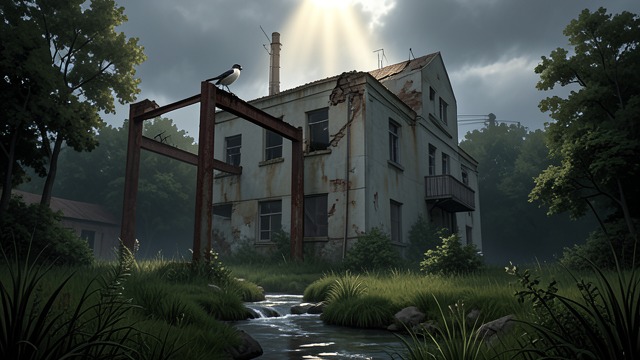
Ruins and Renewal
The landscape changes
Trees and wildlife reclaim abandoned factories and industrial land. The return of nature is visible even where civic recovery remains uncertain.
No simple restoration
The landscape offers endurance, not a replacement for lost livelihoods. The novel holds beauty and deprivation together rather than treating one as an answer to the other.
Before the mill closures
After the major closures
During Isaac and Billy’s young adulthood
During Harris’s investigation
Near the end of the novel
