Isaac is attacked by teenagers in a warehouse
American RustIsaac English is attacked by teenagers while sheltering in an abandoned warehouse, an encounter that turns his attempt to hide into another test of how he will respond to violence. The group stops when one of its members recognizes that Isaac is not the person they meant to find. Though battered and shaken, Isaac refuses the teenager’s offer of help, leaves the building, and chooses not to use his knife in retaliation. The assault deepens the physical cost of his flight while sharpening his private sense that he is learning how to survive.
Causes and Setting
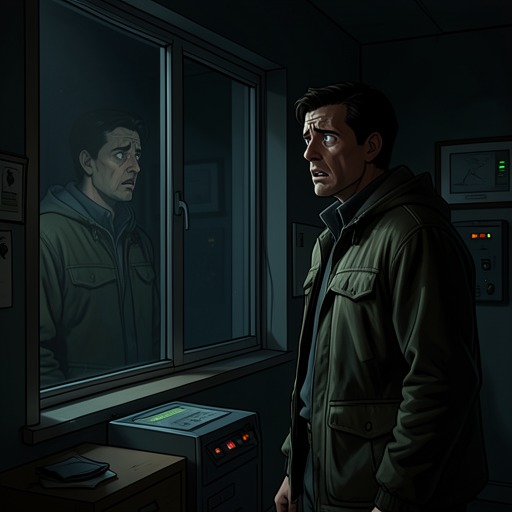
Isaac is asleep in a small room inside the warehouse when voices and flashlight beams wake him. At first he wonders whether he is dreaming; as the voices approach, he realizes that people have entered the building. The intruders are teenagers searching the premises, and their talk suggests that they believe someone has opened a door. One calls out for any homeless person inside to come out, while the others laugh. The scene begins with a mismatch between what the group expects to find and the person actually sheltering there.
The warehouse has offered Isaac temporary cover during his journey, but it cannot protect him once the teenagers discover the room. He is only partly out of his sleeping bag when the door opens and a flashlight sweeps across him. He reaches for his knife, then lets go when he sees that the people entering are high-school-age youths. That brief decision not to arm himself comes before he knows whether they will leave him alone; it is not a guarantee of safety, but it shapes what follows.
The Assault and Its End
One teenager walks directly up to Isaac, glances back at his companions as if checking that they are watching, and strikes him. The others join in. Isaac tries to shield himself as they knock him down and kick him; he cannot catch his breath. The violence stops when the light falls on him and someone recognizes him as a young person rather than the presumed target. Hicks tells the others to stop. They object and begin leaving, making clear that Hicks can stay or walk home rather than continue with them.
Hicks crouches beside Isaac and says that they confused him with someone else. He offers him a beer, but Isaac tells him not to touch him. Hicks remains beside him briefly, uncertain, then walks outside. The others leave in their car. From the opening of the door to the group’s departure, the encounter has lasted little more than a minute, but Isaac is left alone with the aftermath and no assurance that the warehouse is safe.
Immediate Aftermath
Isaac is afraid to examine himself at first. He eventually stands, goes outside, and finds the dirt lot empty. Back in the building, he repacks his belongings and stops retching. Rather than return to the room and settle in, he carries a rubber welcome mat outside and walks through the tall brush toward the river, choosing a place where he believes no one will find him. His mouth tastes of blood, his heart is still racing, and it takes a long time for him to calm down enough to sleep.
The knife remains beside him, but he does not use it. As he tries to rest, Isaac considers that he might have stopped the attack by cutting one of the teenagers and frightening the others away. He decides against acting on that thought. His response is neither a claim that the assault was harmless nor a simple refusal to defend himself: the scene leaves him weighing what he could have done against the danger of further violence, while making no suggestion that he has regained a sense of security.
Consequences and Significance
In the morning, Isaac wakes in tall grass behind the warehouse. One eye will not open properly, and dried dirt and blood are on his face. He hears motorboats on the river and tells himself to get up rather than wait there to recover. His sleeping bag and clothes are muddy, and the pain in his side and bruising make standing and walking difficult. When he returns toward the warehouse and then heads for Route 906, he is moving slowly, with a swollen face and a painful breath, but he continues on foot toward Monessen.
The attack is not presented as an outcome of a confrontation with the teenagers; they stop after realizing they have mistaken Isaac for someone else. Its consequence instead lies in what it adds to his continuing exposure on the road: a temporary shelter becomes a place he must flee, and the decision not to draw his knife leaves him with injuries but without another killing. The following day, Isaac thinks of his obligation to the dead Otto and interprets his visit to the local youths’ hideout through a private language of debt and redemption. That framing does not make the teenagers responsible for the earlier death or turn the assault into justice. It shows how Isaac’s effort to understand violence keeps following him, even as he tries to move on from one dangerous place to another.