the trio’s manuscript
American WomanThe trio’s manuscript is an unfinished book project made by Juan, Yvonne, and Pauline while they hide from authorities. It matters both as work they are expected to produce and as a measure of the trio’s struggle to turn political conviction and grief into sustained writing. The manuscript remains distinct from their repeatedly revised eulogy material: Frazer discovers that the writing supplies he provided have been used for versions of the eulogy tape rather than for the book they had agreed to make. By the time the group faces an immediate threat, the book has not become a finished volume; its papers and related recording material are few enough to be gathered into a small package and buried.
Materials and Intended Work
The project begins with a substantial box of equipment that has come from Frazer’s home office: a typewriter, a reporter’s cassette recorder in a carrying case, loose scrap paper, spiral notebooks, notepads, and bundles of pens and pencils. The supplies sit unused just inside the back door. When Jenny later finds the box missing, she hears tentative typewriter keystrokes behind a closed door, but the brief attempt gives way to silence. The scene establishes a gap between the resources available and the work actually being done.
Frazer presents the book as urgent. The trio have temporarily evaded capture, he argues, and should use that interval to get the manuscript written. His insistence links the project to their precarious circumstances: the time they have is limited, and he sees writing as a necessary task, not an optional diversion. He also wants the fugitives to regain a sense of purpose, believing that others look up to them and that the trio should recognize their own identity as political actors. Jenny, meanwhile, doubts that they care whether they live. Frazer rejects her assessment and urges her to remind them who they are. The manuscript thus becomes part of his effort to draw the group back toward action and survival.
The Eulogy and the Book
The manuscript’s progress is obstructed by another writing task. At a shared meal, Frazer asks to see the pages the trio have produced. He explains that, after giving them the writing supplies, he noticed that the box contained versions of their eulogy tape rather than pages of the book they had discussed. His discovery exposes how little the intended project has advanced, and he proposes withholding the guns until the trio make a genuine start. Their reaction shows that the manuscript is entangled with a strained bargain: Frazer offers help and protection, but expects work in return.
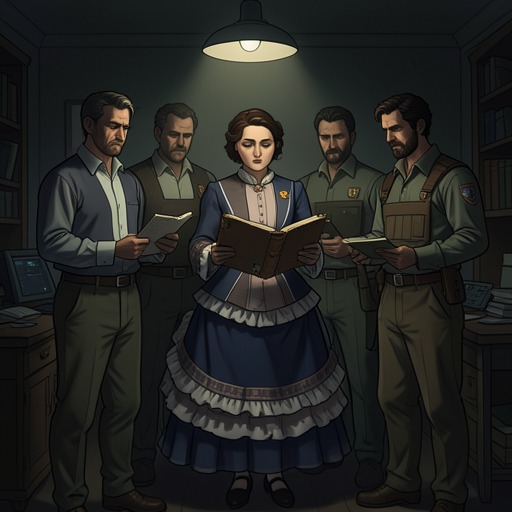
The distinction between the book and the eulogy material is important. The latter has been rewritten repeatedly, while the book remains largely unrealized. Later, Juan challenges Pauline not to waste tape on rehearsal and insists that the recording is not finished until he says it is. Pauline says she has made changes and then reads a passage describing her former life, illness, exposure to political writing, and growing attachment to her comrades. Juan interrupts to correct one detail: the passage mentions a blindfold, which he says was not present. This exchange shows a writing process in which wording and factual claims are contested, and in which Juan exercises editorial authority. The passage should not be mistaken for a completed section of the book: the evidence presents it in a taped reading and revision context, separate from Frazer’s demand for the manuscript.
Political Argument and Delay
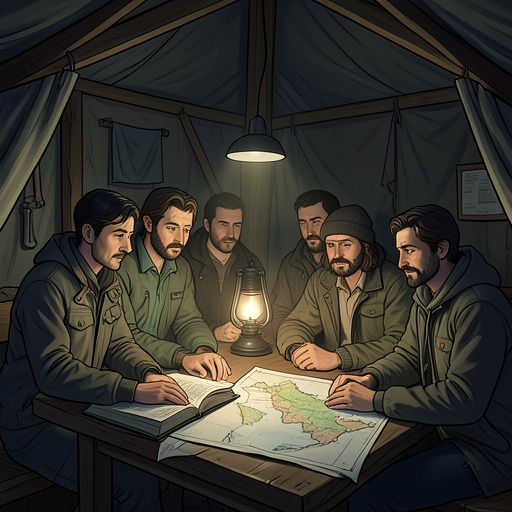
When the trio return to the book, their difficulty is not simply a lack of equipment or a refusal to write. They struggle to formulate even an opening statement without establishing and proving the assumptions behind it. A proposed claim about American imperial actions in Vietnam prompts questions about France’s earlier role, whether Vietnam can accurately be called peaceful, and the collusion of powerful nations in exploiting colonized peoples. From that disagreement, their reasoning reaches back through American foreign policy, the postwar rearrangement of national borders, and the rise of the nation-state.
The argument displays both the ambition and the paralysis of their method. The trio want their political language to rest on a defensible account of history; each premise generates another demand for evidence and qualification. Their earlier willingness to make forceful claims without a developed basis has given way to a process of exhaustive scrutiny. As they push further into historical background, they devote less attention to the present. The manuscript’s delay therefore arises in part from the very rigor they seek: an effort to make the argument complete continually postpones the act of stating it.
Fragmentary Survival and Significance
The crisis that threatens the hiding place changes the manuscript’s immediate status. Under Juan’s direction, the fugitives divide blankets, clothing, and food into four equal bundles and conceal them in the woods. They have only two BB rifles and one handgun, so they prepare for flight rather than a sustained defense. Back at the house, the three sort their actual writings from the surrounding writing equipment. What they can identify as their work is only a few disordered sheets and a partly blank cassette. They compress this small body of material, wrap it in a plastic trash bag, return to the woods, and bury it.
That ending gives the manuscript a double character: it is a project intended to preserve and shape the trio’s political account, yet its surviving form is vulnerable, unfinished, and physically hidden. The distinction between abundant supplies and scant actual writing, and between the carefully argued book and the repeatedly revised eulogy, marks the limits of what the group manages to produce. The manuscript is not shown reaching completion. Instead, its last clear action is preservation under threat: the fugitives protect a few pages and a cassette as portable, concealed evidence of work begun but not brought to a finished form.