
The Army and Its Chiefs
An Officer and a SpyThis thread traces the changing relationship between Picquart and the senior command, from patronage and promotion through coercion, exile, and reluctant restoration.
increasing Bearing strength in each event
 decreasing
Bearing strength in each eventdecreasingMercier’s Favor
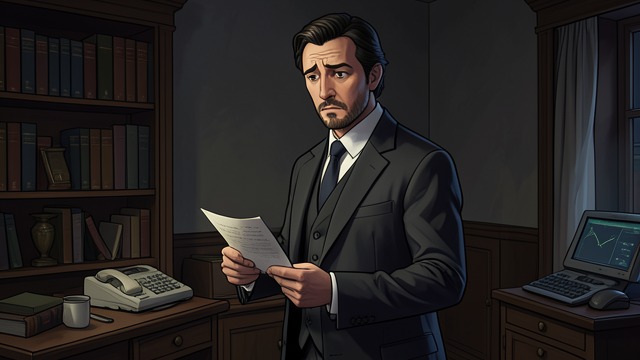
Mercier’s Favor
A valued observer
Auguste Mercier praises Georges Picquart’s report on Dreyfus’s degradation and signals that his service will be remembered. Picquart leaves believing that his judgment has impressed the minister.
Patronage carries a cost
The praise binds Picquart more deeply to the army’s account of the case. Advancement begins in a moment of complicity rather than independent scrutiny.
The First Orders
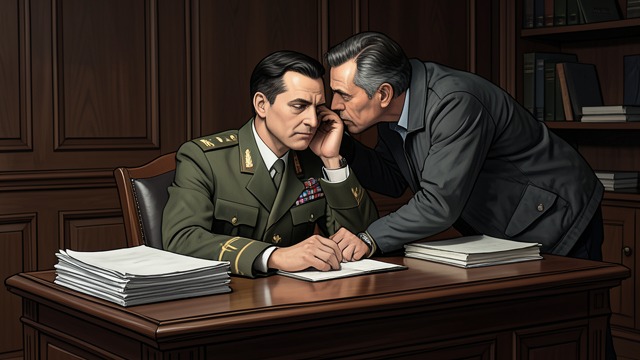
The First Orders
Command and confidence
Raoul le Mouton de Boisdeffre and Charles-Arthur Gonse entrust Picquart with intelligence work and access to senior decision-makers. He is expected to preserve secrecy and maintain the prosecution’s file.
Professional discipline tested
As evidence against Esterhazy appears, Picquart’s duties begin to conflict. The chiefs expect loyalty to the settled verdict, while his office requires him to follow the facts.
The Order to Stop
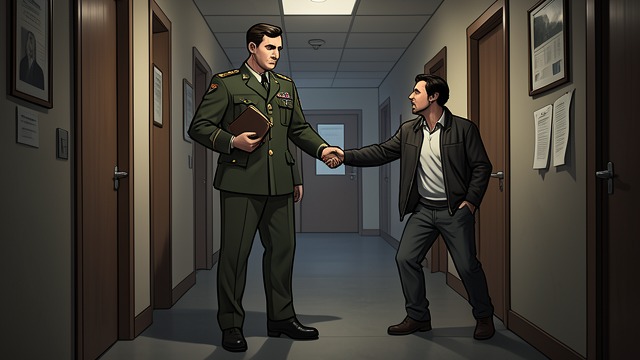
The Order to Stop
A boundary imposed
Charles-Arthur Gonse tells Picquart to investigate Esterhazy but leave Alfred Dreyfus out of it. The instruction separates evidence that Picquart believes is inseparable.
Obedience becomes refusal
Picquart rejects the logic of res judicata when it is used to block new facts. The conflict shifts from investigative disagreement to an explicit contest over command authority.
The Exile Decision
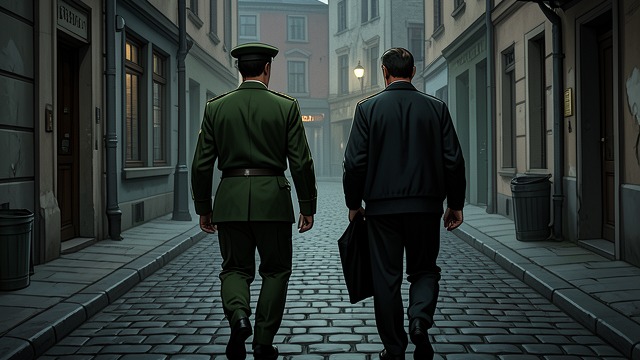
The Exile Decision
Authority retaliates
The General Staff sends Picquart away from Paris and later restricts his movements in Tunisia. His removal keeps him from the archives, officials, and public debate.
Loyalty divided
Picquart still loves the army and hopes it will correct its own error. The chiefs interpret his persistence as disloyalty, converting his service into a form of confinement.
Return to the Cabinet
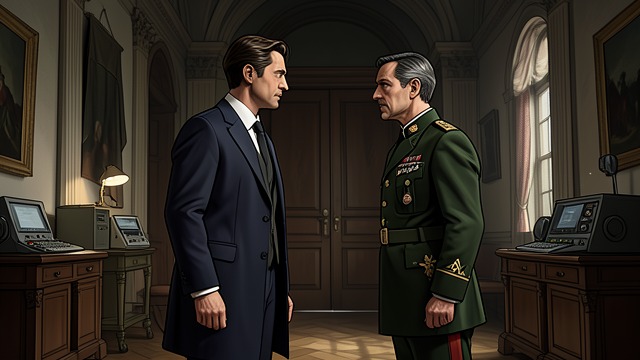
Return to the Cabinet
A startling reversal
Georges Clemenceau appoints Picquart Minister of War after the army’s eventual restoration of Picquart and Dreyfus. Picquart returns to the institution that exiled and dismissed him.
Reconciliation without forgetting
His new position demands practical work with officers who opposed him. The conflict shifts from exposing the army to governing it, leaving compromise as a daily burden.
January 1895
1895–1896
September 1896
Late 1896
October 1906
