
Truth Versus Loyalty
An Officer and a SpyThis thread explores Picquart’s struggle to reconcile military loyalty with the moral obligation to correct a wrongful conviction.
increasing Bearing strength in each event
 decreasing
Bearing strength in each eventdecreasingThe Army as Family
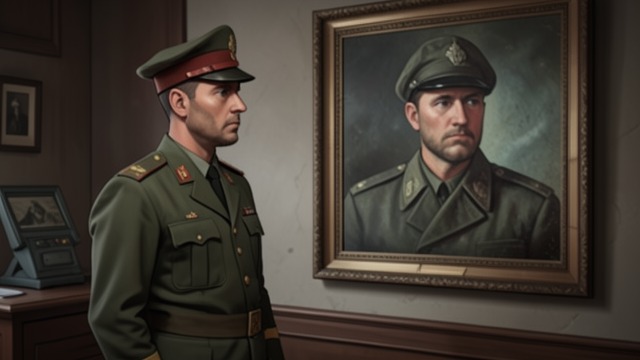
The Army as Family
A demanding allegiance
Georges Picquart describes the army as his father and the source of his education, identity, and ambition. His commitment is rooted in the loss of Alsace and the defeat of 1870.
Loyalty’s vulnerability
Because the army has given him everything, its errors feel personal. This allegiance makes it harder, not easier, for him to challenge the institution when its conduct becomes indefensible.
The Chiefs’ Demand

The Chiefs’ Demand
Loyalty defined as silence
Charles-Arthur Gonse orders Picquart to stop investigating the Dreyfus connection. The senior command presents silence as necessary to protect the army from renewed scandal.
A moral distinction
Picquart refuses to confuse secrecy with service. He believes that concealing a known injustice will damage the army more deeply than admitting an error.
Henry’s Rule

Henry’s Rule
Obedience without judgment
Hubert-Joseph Henry tells Picquart that an officer must obey the chiefs regardless of the outcome. His story about a stolen judgment presents the army as a hierarchy that punishes dissent.
Competing definitions of duty
Picquart rejects the idea that obedience absolves responsibility. Their disagreement makes clear that the affair is not only about the right suspect but about what service demands of an officer.
The Cost of Refusal
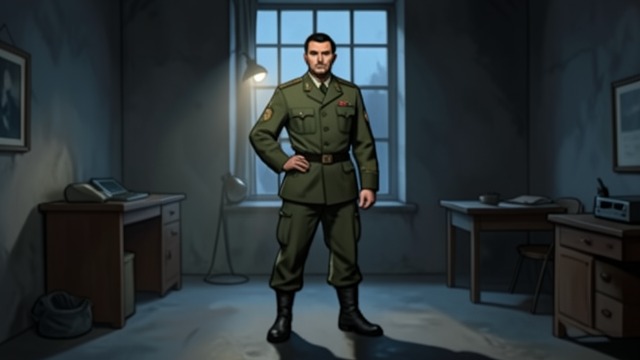
The Cost of Refusal
Career and freedom sacrificed
Picquart is exiled, investigated, dismissed, and imprisoned after refusing to abandon the case. The army treats his conscience as an operational threat.
Loyalty retained
He continues to say that he loves the army, even while exposing its leaders. His refusal is not a rejection of service but an attempt to recover its moral meaning.
Duty Reconsidered
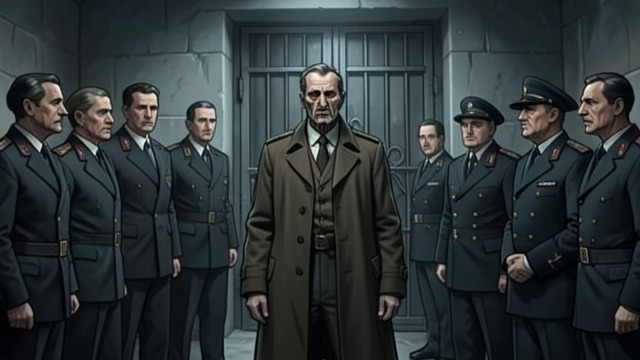
Duty Reconsidered
Restoration without triumph
The French Deputies’ Chamber restores Picquart and Dreyfus to the army after legal exoneration. Picquart accepts return to the institution that punished him.
A more demanding loyalty
His actions redefine loyalty as willingness to correct a system rather than protect its image. The final restoration cannot erase his losses, but it validates that understanding of duty.
January 1895
September 1896
1897
1897–1898
1906
