
Picquart and Henry at War
An Officer and a SpyThis thread follows Picquart and Henry’s relationship from uneasy collaboration to rivalry, mutual accusation, duel, and Henry’s final collapse.
increasing Bearing strength in each event
 decreasing
Bearing strength in each eventdecreasingUneasy Partnership
Uneasy Partnership
New chief and old hand
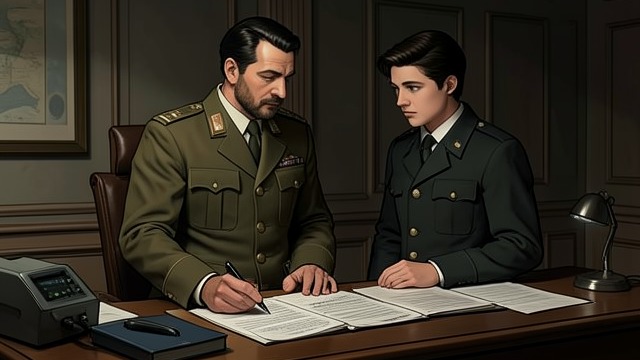
Georges Picquart takes command while Hubert-Joseph Henry remains deputy, expecting that experience will preserve his influence. Picquart initially believes they can work together.
Different instincts
Picquart favors formal controls and direct oversight; Henry trusts informal networks and established practice. Their differences create a quiet contest over who truly runs the section.
The Basel Breach
The Basel Breach
A failed debriefing
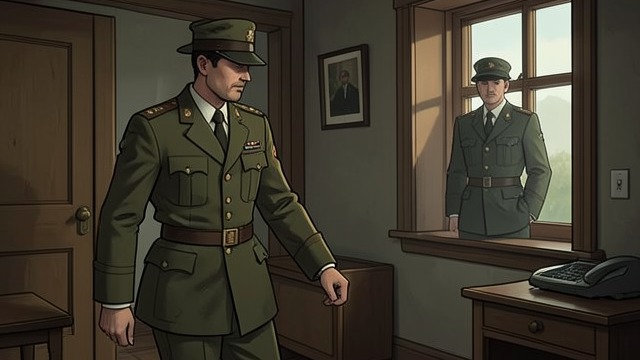
Henry accompanies Lauth to meet Richard Cuers but discourages a thorough interrogation. Picquart later learns that Henry deliberately obstructed the meeting.
Trust becomes suspicion
The episode convinces Picquart that Henry may be protecting the unresolved spy. Their partnership begins to fracture around the same evidence that threatens the Dreyfus conviction.
The File Dispute
The File Dispute
A secret withheld
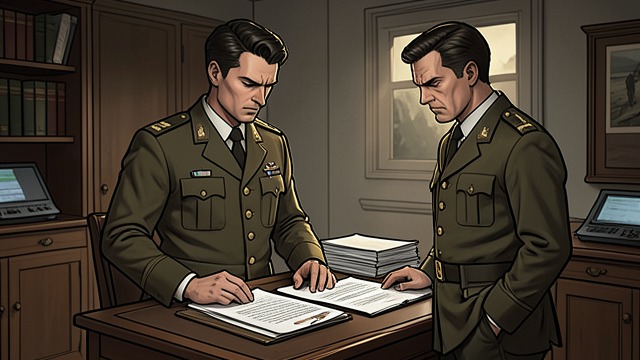
Picquart tries to understand the Dreyfus dossier while Henry and senior officials keep control of its contents. Henry treats the inquiry as a threat to the established case.
Rival interpretations
Picquart argues from evidence; Henry insists that orders and institutional stability should govern. The disagreement becomes a conflict over whether the army can acknowledge a mistake.
A Duel in the Riding School
A Duel in the Riding School
Words become weapons
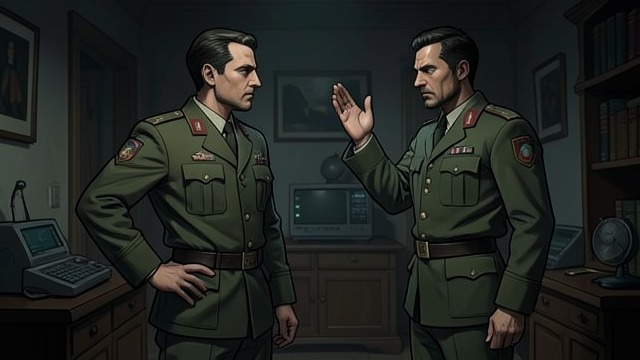
After Henry calls Picquart a liar in open court, Picquart challenges him. Henry’s first attack is so aggressive that witnesses question whether he means to kill his opponent.
A wound without settlement
Picquart injures Henry’s arm and wins the encounter. Their personal antagonism becomes public, but the institutional conflict survives the duel.
The Final Admission
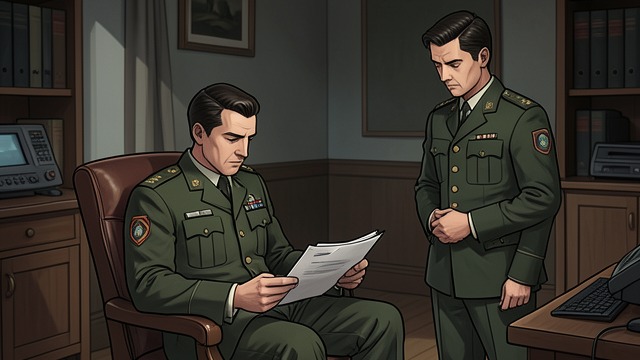
The Final Admission
The forgery revealed
The physical construction of Henry’s letter is exposed during an official review. Under questioning, he admits making the false document to reassure his chiefs.
A tragic end
Henry is arrested and soon found dead in custody. Picquart cannot hate him simply, because he understands both Henry’s dependence on command and the terrible consequences of his choices.
June 1895
August 1896
Autumn 1896
February 1898
August 1898
