
The Press and Public Opinion
An Officer and a SpyThis thread traces how newspapers transform an obscure military proceeding into a national struggle over truth, anti-Semitism, and institutional credibility.
increasing Bearing strength in each event
 decreasing
Bearing strength in each eventdecreasingA Hostile Crowd
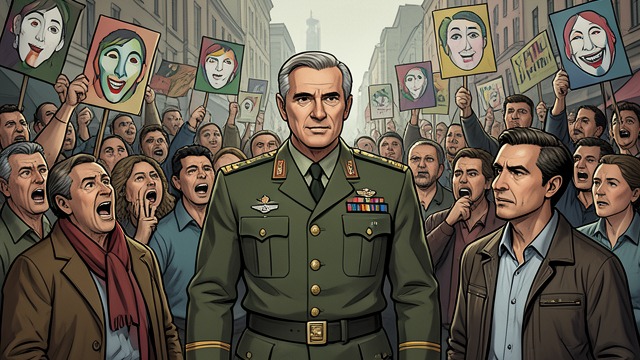
A Hostile Crowd
Public hatred on display
At Dreyfus’s degradation, spectators shout anti-Semitic abuse and demand his death. The spectacle turns an army verdict into a mass performance of punishment.
The crowd confirms prejudice
The public response appears to validate the prosecution, while its intensity reveals how anti-Semitism shapes the affair. Dreyfus is judged not only as an officer but as a Jew.
A Case Returns to Print
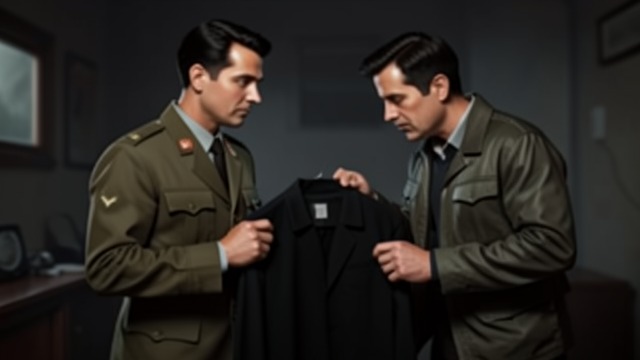
A Case Returns to Print
Dreyfus becomes news again
Reports about Devil’s Island and the secret evidence revive public interest. The newspapers offer competing accounts, some sympathetic to the prisoner and others hostile.
The state loses control
Once the case returns to the press, the army cannot keep its procedures private. Each denial and disclosure invites new questions about what the judges were allowed to see.
Mathieu’s Accusation
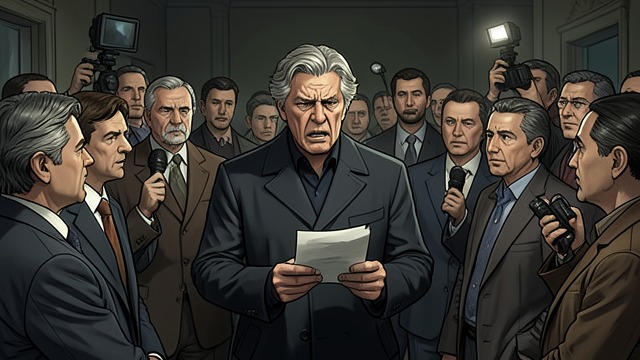
Mathieu’s Accusation
Naming the alternative
Mathieu Dreyfus publicly accuses Esterhazy of writing the bordereau. The claim gives journalists a new name and forces the government to respond.
Competing narratives harden
Supporters of the army describe the accusation as a Jewish conspiracy, while Dreyfusards demand an investigation. Public debate becomes more polarized as evidence competes with identity and loyalty.
J’Accuse…!

J’Accuse…!
A direct public charge
Émile Zola’s open letter names officials and institutions responsible for the injustice. Its force lies in turning scattered allegations into a coherent public indictment.
The courtroom expands
The libel trial makes the affair a national spectacle. The government can prosecute the writer, but cannot prevent readers from debating the accusations.
A Divided Country
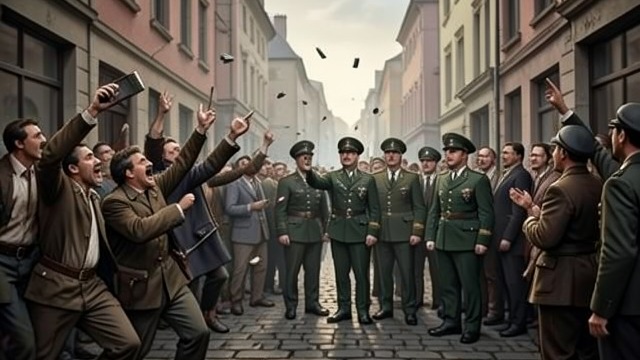
A Divided Country
Street conflict
Demonstrations, anti-Semitic attacks, and public arguments spread as the trials continue. Newspapers depict opposing citizens as enemies of either the army or justice.
No easy consensus
The affair divides families, institutions, and political groups. Public opinion can force attention, but it can also reward confident falsehood and deepen social hostility.
January 1895
1896–1897
November 1897
13 January 1898
1898–1899
