
Picquart’s Secret Service Career
An Officer and a SpyThis thread follows Picquart’s uneasy rise through military intelligence, his attempts to professionalize its work, and the institutional machinery that eventually turns against him.
increasing Bearing strength in each event
 decreasing
Bearing strength in each eventdecreasingEntering the Section
Entering the Section
A hidden workplace
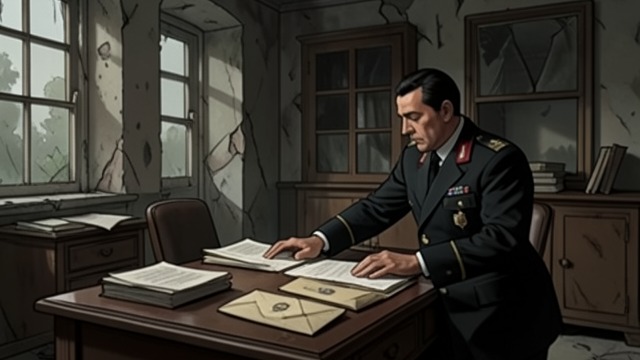
Georges Picquart takes over the Statistical Section in a decaying building behind the Ministry of War. He inherits agents, intercepted mail, secret funds, and a culture of discretion.
An officer’s reforms
He tries to impose clear procedures, limit unauthorized access, and centralize sensitive documents. His reforms reflect professional discipline but also place him in conflict with Hubert-Joseph Henry’s established network.
Agent Auguste
Agent Auguste
A source inside the embassy
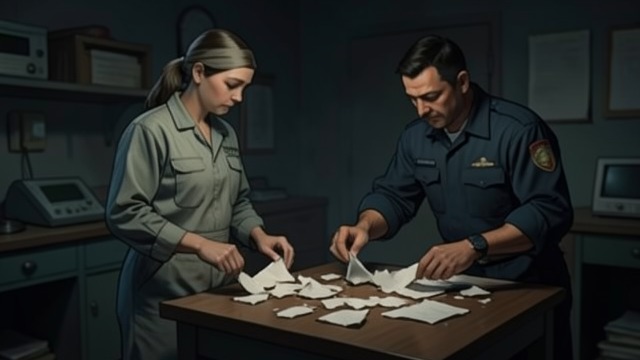
Georges Picquart personally collects material from Marie Bastian, a cleaner working at the German Embassy. The deliveries contain torn letters, scraps, and ordinary waste.
Excitement and danger
The source provides valuable intelligence but depends on covert meetings and fragile security. Picquart learns why the section prizes its access and how easily its methods blur professional and personal boundaries.
Routine Intelligence
Routine Intelligence
Reports from fragments
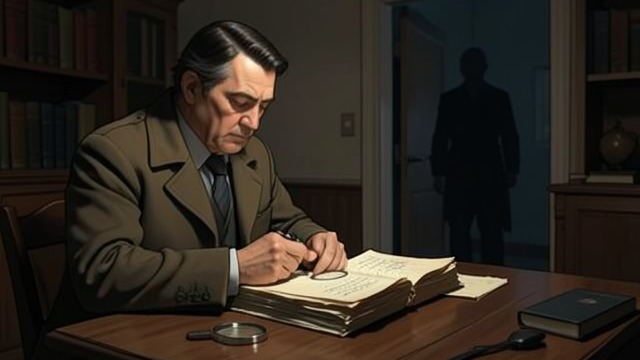
The section reconstructs German documents and sends weekly intelligence reports to commanders. Much of the material is incomplete, uncertain, or trivial.
Authority without certainty
Picquart recognizes that secret intelligence can prompt large military reactions even when its underlying evidence is weak. The realization foreshadows the dangers of treating classified claims as self-validating facts.
The Basel Mission
The Basel Mission
A source offers details
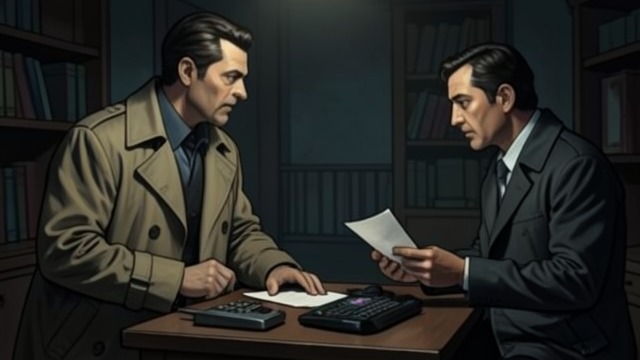
Richard Cuers says German intelligence has used a French officer as an informant. Georges Picquart assigns Jules-Maximillien Lauth and Hubert-Joseph Henry to meet him in Basel.
A debriefing sabotaged
Henry discourages sustained questioning and dismisses Cuers’s claims. The failed mission leaves Picquart suspicious that his deputy is protecting someone, while the evidence pointing to Esterhazy remains unresolved.
Keys Taken Away
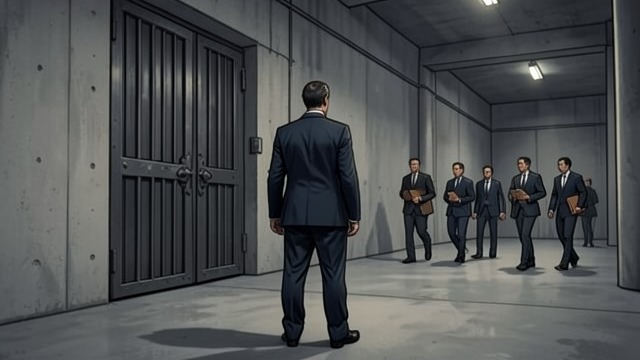
Keys Taken Away
Command intervenes
Charles-Arthur Gonse takes the secret Dreyfus file from Picquart and transfers operational control to Henry. The section’s chief remains formally in office but loses practical authority.
Isolation inside the service
Picquart continues routine reports while colleagues coordinate elsewhere. His intelligence post, once a path to influence, becomes an instrument of surveillance and exclusion.
June 1895
Autumn 1895
1895–1896
August 1896
Autumn 1896
