
Prejudice as Evidence
An Officer and a SpyThis thread traces how anti-Semitic assumptions shape investigation, courtroom reasoning, public reaction, and the eventual acknowledgment of injustice.
increasing Bearing strength in each event
 decreasing
Bearing strength in each eventdecreasingA Jewish Officer

A Jewish Officer
Difference becomes suspicion
Alfred Dreyfus is wealthy, reserved, and Jewish in an army increasingly influenced by anti-Semitic agitation. His identity is repeatedly treated as a clue to divided loyalty.
Bias distorts judgment
Traits that might be ordinary in another officer become evidence of arrogance or disloyalty. The case begins in a culture ready to interpret difference as proof.
The Crowd’s Verdict

The Crowd’s Verdict
Hatred made spectacle
At Dreyfus’s degradation, spectators shout “Death to the Jew!” and treat his punishment as a national ritual. The ceremony turns prejudice into public consensus.
Belonging denied
Dreyfus proclaims loyalty to France, but his declaration cannot compete with the crowd’s racialized story. The scene shows how public identity can overpower an individual’s words.
Suspicion of the Family
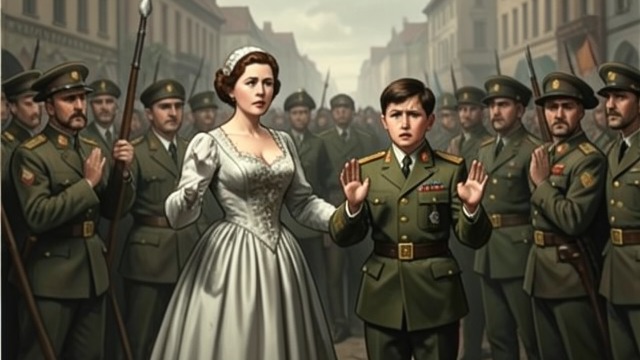
Suspicion of the Family
Kinship recast as conspiracy
The army monitors Lucie and Mathieu Dreyfus and interprets their efforts to help Alfred as evidence of a wider Jewish network. Their wealth and family ties become grounds for suspicion.
Advocacy discredited in advance
Instead of answering the family’s claims, officials label them agitators and conspirators. Anti-Semitism makes it easier to treat demands for justice as proof of collective disloyalty.
A Jewish Conspiracy Alleged

A Jewish Conspiracy Alleged
The accusation turned outward
As evidence against Esterhazy grows, the army and nationalist press describe the challenge as a Jewish plot. Forged telegrams associate Picquart’s acquaintances with an imagined syndicate.
Prejudice protects power
The conspiracy narrative diverts attention from the evidence and portrays dissent as ethnic manipulation. It is a political shield for officers who cannot answer the factual case.
A Partial Reckoning
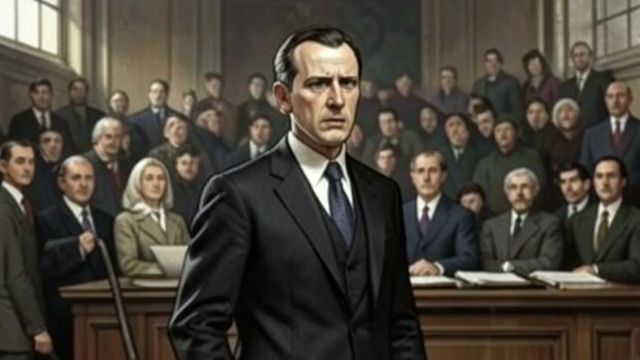
A Partial Reckoning
Legal truth recognized
The Court of Cassation exonerates Dreyfus and the government restores him to the army. The judgment confirms that prejudice helped sustain a wrongful conviction.
Social damage remains
Legal recognition does not erase years of anti-Semitic hostility or restore everything the family lost. The case exposes how prejudice can survive even after the record is corrected.
1894
5 January 1895
1895–1896
1897–1898
1906
