
The Fragility of Institutions
An Officer and a SpyThis thread traces how military institutions preserve authority through ritual and hierarchy, then confront the consequences when those structures protect error.
increasing Bearing strength in each event
 decreasing
Bearing strength in each eventdecreasingThe Parade Ritual
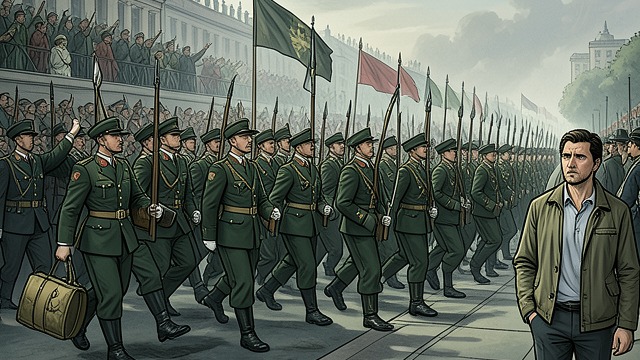
The Parade Ritual
Authority staged publicly
The army strips Alfred Dreyfus of rank before soldiers and spectators. Uniform, ceremony, and command make the verdict appear beyond question.
Ritual conceals uncertainty
The spectacle teaches obedience but reveals little about the evidence. The institution’s power to punish is visible; its capacity to judge fairly remains hidden.
The Closed Circle
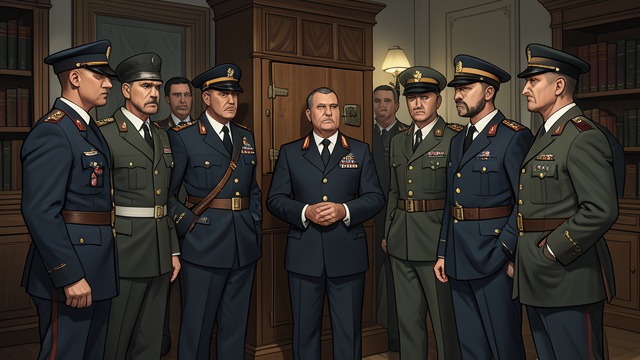
The Closed Circle
Officers judge their own work
The same military network investigates, interprets intelligence, and protects the verdict. Senior officers control which documents reach courts and which remain secret.
Accountability excluded
Because outsiders cannot inspect the process, hierarchy substitutes for independent review. The institution mistakes internal agreement for proof of correctness.
The Army’s Reputation

The Army’s Reputation
Fear of scandal governs action
The chiefs refuse to revisit Dreyfus because doing so would expose the secret file and embarrass the General Staff. They treat institutional reputation as a national-security necessity.
Protection produces greater damage
The effort to contain scandal requires more deception, including Henry’s forgery. Each protective measure makes the institution’s eventual disgrace more severe.
A Public Break
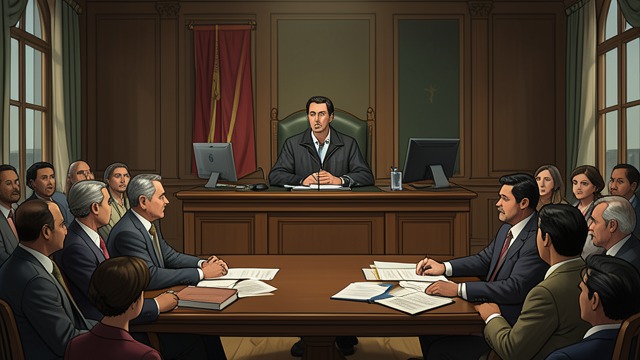
A Public Break
Courts and newspapers intervene
Zola’s trial, Picquart’s testimony, and the Rennes proceedings expose the army’s version to public challenge. The institution cannot fully control the evidence once it enters open debate.
Authority survives the first challenge
The Rennes court still convicts Dreyfus, showing that exposure does not immediately transform institutional judgment. Yet the army’s unity and credibility have been permanently damaged.
Reform Through Review
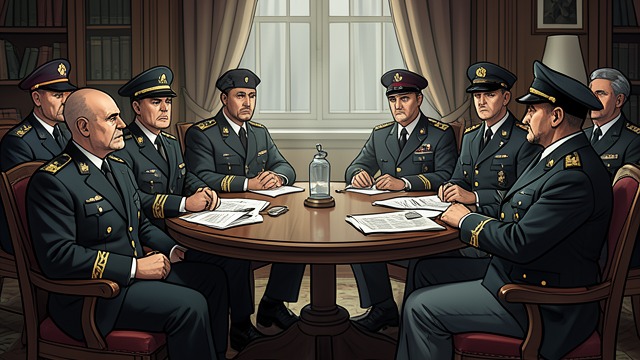
Reform Through Review
Institutions reconsider
The André Inquiry and Court of Cassation take up the evidence after political pressure and years of public controversy. Review finally occurs beyond the original chain of command.
Repair remains incomplete
The verdict is corrected and officers are restored, but the process cannot return the years lost to imprisonment and exile. Institutional reform is necessary because authority alone cannot guarantee truth.
5 January 1895
1894–1896
1896–1898
1898–1899
1903–1906
