
The Search for the Real Spy
An Officer and a SpyThis thread follows Georges Picquart and his agents as they identify Charles Ferdinand Walsin Esterhazy through intercepted papers, surveillance, and handwriting.
increasing Bearing strength in each event
 decreasing
Bearing strength in each eventdecreasingA Torn Message
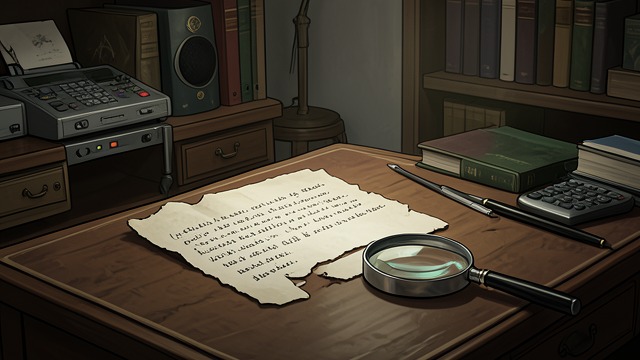
A Torn Message
The address emerges
Jules-Maximillien Lauth reconstructs the petit bleu from fragments. It is addressed to Charles Ferdinand Walsin Esterhazy and refers to dealings with the “house of R.”
A new investigative path
The material is not courtroom evidence, but it gives Georges Picquart a direction. He chooses to investigate the recipient before alerting an institution likely to suppress the discovery.
Rouen Enquiries
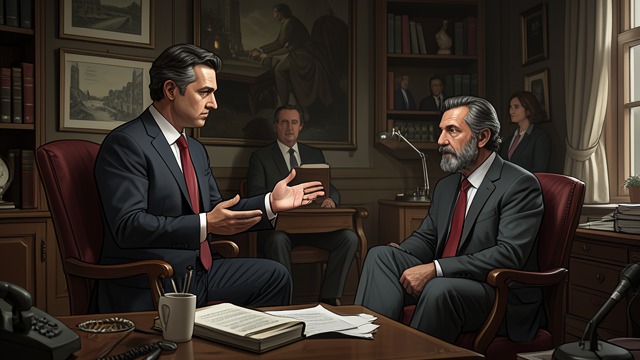
Rouen Enquiries
Character and motive
In Rouen, Albert Curé describes Esterhazy as financially troubled, professionally unreliable, and unusually interested in artillery matters. His warning gives Picquart a personal and military context for the intercepted message.
Suspicion gains shape
The details do not alone prove espionage, but they fit the pattern of a man seeking money and military information. Picquart begins a discreet investigation beyond the office hierarchy.
Embassy Surveillance
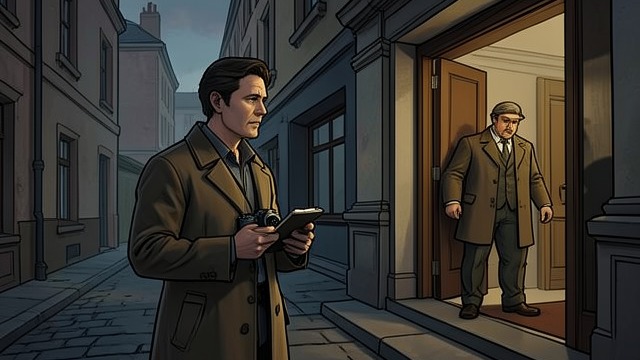
Embassy Surveillance
An observation post
Jean-Alfred Desvernine arranges an apartment opposite the German Embassy in Paris. Germain Ducasse records visitors while police technicians install cameras and listening equipment.
Direct contact documented
Surveillance photographs show Esterhazy entering the embassy and leaving without the package he carried in. The operation turns an uncertain lead into a visible pattern of contact.
The Bordereau Match
The Bordereau Match
A handwriting comparison
Esterhazy’s letters requesting transfer resemble the bordereau. Alphonse Bertillon, once an advocate of the prosecution’s handwriting theory, calls the writing identical.
The case changes direction
The match ties Esterhazy to the document that sent Alfred Dreyfus to Devil’s Island. It gives Picquart a strong alternative account of the alleged treason.
Public Accusation
Public Accusation
Mathieu names the suspect
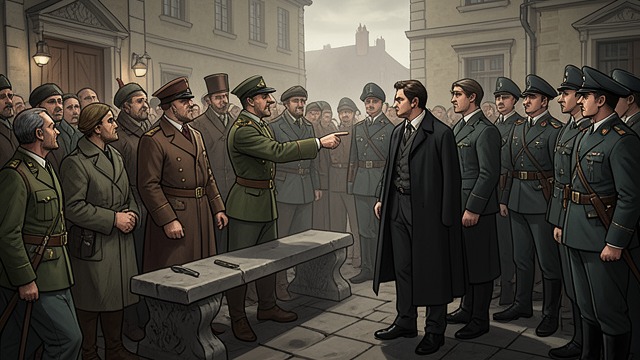
Mathieu Dreyfus formally identifies Charles Ferdinand Walsin Esterhazy as the author of the bordereau. The accusation moves the inquiry out of private military channels.
A new public contest
Esterhazy denies the charge and attacks Picquart, while the army orders an inquiry into Picquart’s conduct. The evidence now confronts an institution determined to control its meaning.
March 1896
Spring 1896
Spring–Summer 1896
August 1896
November 1897
