
The Price of Speaking
An Officer and a SpyThis thread follows the escalating personal consequences faced by Picquart, Leblois, Zola, and Labori as they make the case public.
increasing Bearing strength in each event
 decreasing
Bearing strength in each eventdecreasingPrivate Counsel
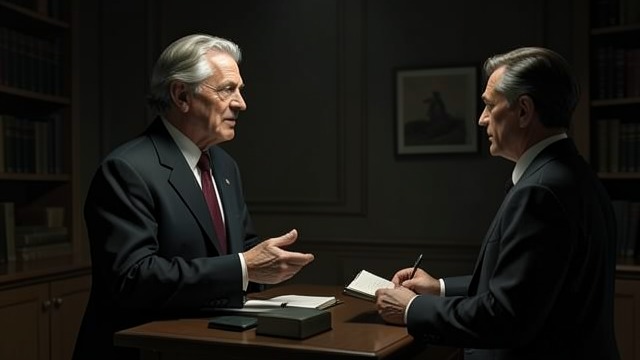
Private Counsel
A cautious beginning
Georges Picquart turns to Louis Leblois for legal advice and eventually shares information about Esterhazy and Dreyfus. Both understand that disclosure may compromise Picquart’s position.
A risk accepted
Leblois becomes an intermediary to Auguste Scheurer-Kestner. Their cooperation establishes a path from secret files to public accountability, but makes the lawyer vulnerable too.
Zola’s Indictment

Zola’s Indictment
A writer takes the risk
Émile Zola publishes J’Accuse…! and names the institutions and officers he believes responsible. He knowingly exposes himself to a criminal libel charge.
The case moves into public
The article makes silence politically costly and turns the trial into a forum for competing claims. Zola’s courage broadens the struggle beyond the army and the Dreyfus family.
Picquart Testifies
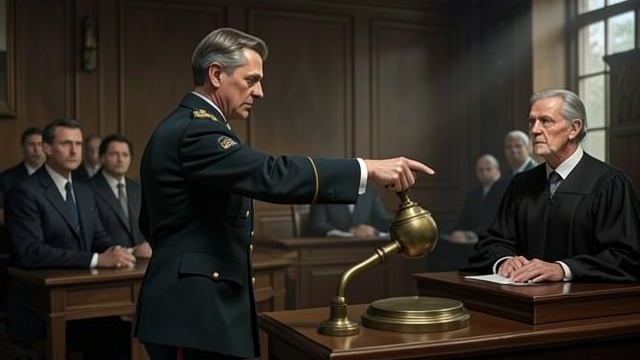
Picquart Testifies
Evidence delivered publicly
At Zola’s trial, Picquart describes the evidence against Esterhazy and his superiors’ resistance. He speaks carefully, but the facts make the military’s story increasingly difficult to defend.
Professional rupture
His testimony exposes him to dismissal and imprisonment. Once he speaks in public, his role changes from internal investigator to visible opponent of the high command.
Labori Shot
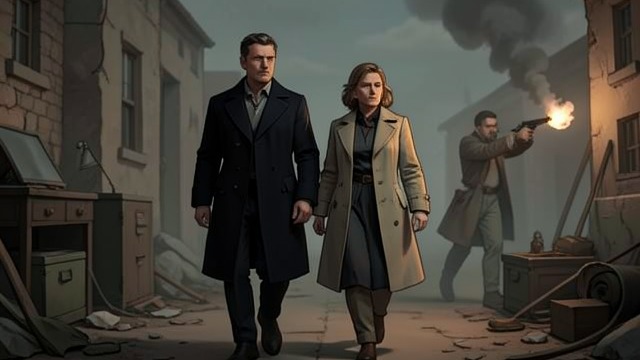
Labori Shot
Violence interrupts advocacy
Fernand Labori is shot from behind while walking with Picquart and Edmond Gast in Rennes. The assailant escapes into the countryside.
The defense is weakened
Labori survives but cannot immediately cross-examine Auguste Mercier. The attack demonstrates the physical danger surrounding the trial and deprives the defense of its strongest advocate at a crucial moment.
A Witness’s Prison
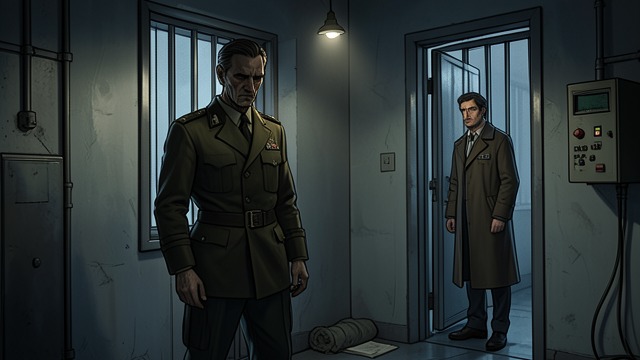
A Witness’s Prison
Charges follow testimony
Picquart is dismissed and imprisoned while the army investigates his handling of the petit bleu. Louis Leblois also faces prosecution for his role in passing information.
Speaking remains consequential
Their punishment cannot silence the public case. Instead, detention makes the state’s hostility visible and helps preserve the evidence for later review.
1896
January 1898
February 1898
August 1899
1898–1899
