Alfred Dreyfus Is Pardoned and Released
An Officer and a SpyAlfred Dreyfus Is Pardoned and Released marks a decisive but incomplete turn in the Dreyfus affair: Alfred Dreyfus left prison in September 1899, yet his release did not reverse the conviction or restore his honour. The pardon was accepted amid grave concern for his health and the danger of a country remaining divided. Its immediate gift was freedom; the demand for justice continued beyond the prison gates.
The choice of a pardon
By the time the offer was considered, a government specialist had examined Dreyfus in Rennes and reported malnutrition, malarial fever, and possible tuberculosis of the spinal marrow. The specialist believed Dreyfus would not survive much longer in captivity. Dreyfus had also asked to see his children for the first time since his arrest, a request his family understood as possibly a farewell. Against that prospect, Mathieu Dreyfus, Alfred’s brother, told Georges Picquart that the family had decided to accept the pardon. The Prime Minister’s concern that France might become permanently divided was another part of the political calculation.
Picquart objected that accepting a pardon amounted, technically, to an admission of guilt. Mathieu acknowledged the difficulty but showed him a statement drafted by Jean Jaurès for Dreyfus to issue upon leaving prison. It made clear that freedom without honour was not enough: Dreyfus would continue working to overturn the judicial error of which he maintained he was the victim. The distinction was central to the decision. A pardon could end immediate imprisonment, but it could not itself establish innocence.
The case the pardon could not settle
The release followed a prosecution and military response shaped by restricted scrutiny of evidence. At Dreyfus’s first trial, the prosecutor requested a private hearing on the grounds that the evidence involved national defence; his counsel, Edgar Demange, objected that Dreyfus should receive the same treatment as any other accused person. The secrecy that surrounded the case remained an obstacle to openly testing the accusation.
As Georges Picquart investigated, General Gonse told him to forget the bordereau, even while permitting an investigation of Esterhazy. Later, when Picquart raised the evidence that Esterhazy had written it and questioned the use of falsified material in the dossier used to convict Dreyfus, the inquiry declared those matters outside its scope. These episodes explain why the pardon did not resolve the dispute: central questions about the evidence remained unexamined in the proceedings that determined Dreyfus’s fate.
Picquart tried to bring those questions before the government. With Fernand Labori’s help, he drafted an open letter to Prime Minister Henri Brisson after the Minister of War had cited secret documents in the Chamber of Deputies. Picquart said he could establish before a competent tribunal that the two documents dated 1894 could not apply to Dreyfus and that the 1896 document showed signs of forgery. The letter framed the release not as a settled conclusion but as a pause in a continuing struggle over the conviction.
Release and continued separation
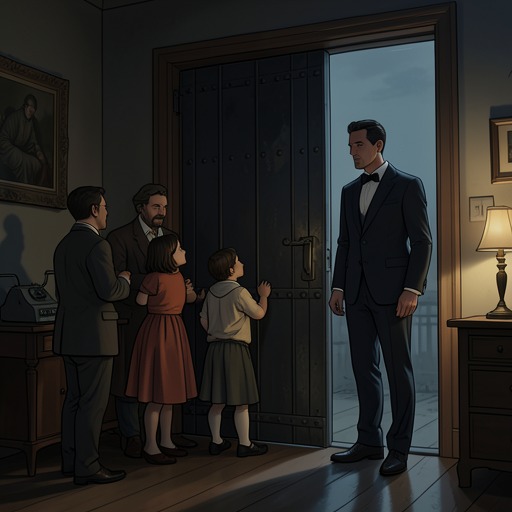
Dreyfus was released on Wednesday, 20 September 1899; the news was withheld from the public until the following day so he could travel without being accosted. At dusk, officers of the French Sûreté took him from the prison in Rennes in an automobile. Disguised in a dark blue suit and a soft black hat, he was driven to Nantes, where he joined Mathieu for a southbound sleeper train. At a family house in Provence he reunited with his wife and children. He later moved to Switzerland and did not return to Paris, fearing assassination.
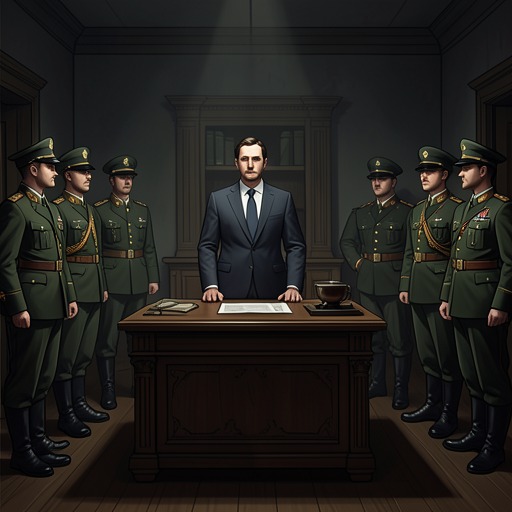
The quiet, carefully managed departure contrasted with the public spectacle of Dreyfus’s degradation before the Paris garrison. At that ceremony, after the sentence was proclaimed, he was formally stripped of his military standing and marched before the assembled detachments. In 1899, he left prison without a public vindication or an immediate return to the army. The pardon ended his confinement, but the separation from his former life and the dispute over his reputation persisted.
Unequal consequences and the long road to exoneration
The pardon also affected Picquart’s position. He believed that the army had gained a political victory and feared that an amnesty for those involved would prevent him from pursuing a legal claim against the General Staff. In December he refused the government’s offer of a general amnesty, even though he was told that he would be restored to the army and given a command. Dreyfus had regained his freedom, but Picquart would not accept a settlement that, in his view, protected those responsible for the affair.
The later review proceeded through further political and judicial stages. In 1903, Jean Jaurès delivered a day-and-a-half speech in the Chamber of Deputies setting out the affair; the new Minister of War, General André, agreed to examine the evidence again. The resulting inquiry led the Criminal Chamber of the Court of Cassation to take up the case and recommend review by the French Supreme Court of Appeal. Political turmoil delayed progress in 1905. On 12 July 1906, the court quashed the Rennes verdict and fully exonerated Dreyfus.
The following day, the Chamber of Deputies voted 432 to 32 to restore Dreyfus to the army as a major and award him the Legion of Honour. A separate motion restored Picquart with the rank he might have attained had he not been dishonourably discharged in 1898; it passed 449 to 26. Picquart then returned to the parade ground of the École Militaire in the uniform of a brigadier general for Dreyfus’s medal ceremony. The pardon had opened the prison door, but only the later judgment and restoration addressed the public and military dishonour imposed by the conviction.