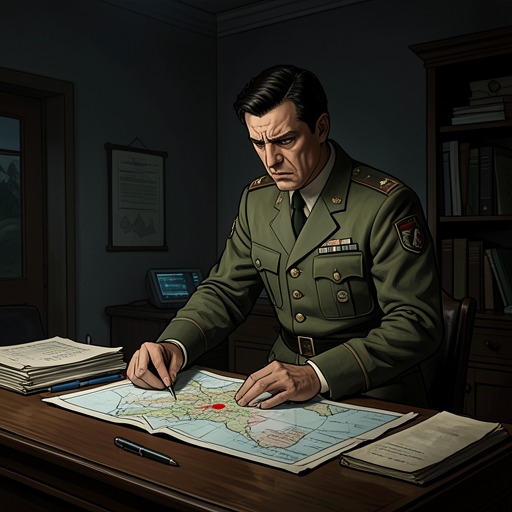
Basel
An Officer and a SpyBasel is the proposed meeting place for a covert interview with Richard Cuers, chosen because the encounter must take place off German soil and the city offers both a plausible cover and a carefully controlled route from the arriving train to a private room. In the account, Basel is not merely a safe destination: its stations, streets, and meeting point become parts of an operation designed to manage observation and concealment.
Setting and Strategic Choice
The location is proposed after the investigators reject German territory as too risky. Colonel Foucault suggests Switzerland, and Basel is judged safe enough. At that time of year, its many visitors could help Cuers pass as someone on a walking holiday, giving him an ordinary explanation for being there. The choice balances security with cover: the meeting is outside Germany, yet Cuers can arrive without his presence immediately appearing exceptional.
The Planned Rendezvous
The arrangements divide the operation across Basel’s railway approaches and central meeting point. Captain Lauth, Tomps, and Inspector Vuillecard are to travel overnight, arriving on Thursday morning at six. All three are to be armed. Captain Lauth will wait in a private room at the Schweizerhof Hotel, beside the station; Tomps will watch the Badischer Bahnhof, where trains from Germany arrive, while Vuillecard takes position at Münsterplatz in front of the cathedral. The initial rendezvous is set for nine o’clock.
Tomps is to identify Cuers as he comes through passport control from the Berlin train, check that he is not being followed, and then trail him to Münsterplatz. Vuillecard’s white handkerchief will mark the meeting point. A brief exchange using the name Monsieur Lescure will verify the contact before Vuillecard leads Cuers to Captain Lauth at the hotel. The plan turns Basel’s geography into a sequence of checks: arrival, surveillance, recognition, and transfer.
Narrative Significance
The account presents Basel through an operation still being arranged, not as a meeting already completed. Its practical details convey the pressure surrounding the interview: the men travel armed, the approach is watched, and a signal and verbal check are prepared to prevent an unsafe encounter. Once Cuers reaches the hotel room, Captain Lauth is instructed to extract every possible piece of information, continuing into the following day if necessary. Basel thus marks the intended transition from cautious contact in public space to prolonged questioning in private.