Forged telegrams received by Picquart
An Officer and a SpyThe forged telegrams received by Georges Picquart are two messages sent to him in Tunisia and used to cast suspicion on his conduct. One, signed “Blanche,” claimed that the Petit bleu had been forged by Georges; the other, signed “Speranza,” warned that everything had been discovered. Picquart denied that the first came from the woman whose name it carried. Later testimony revealed that both signatures disguised the telegrams’ actual production: they had been written by others as part of an effort to compromise him.
The Two Messages in Tunisia
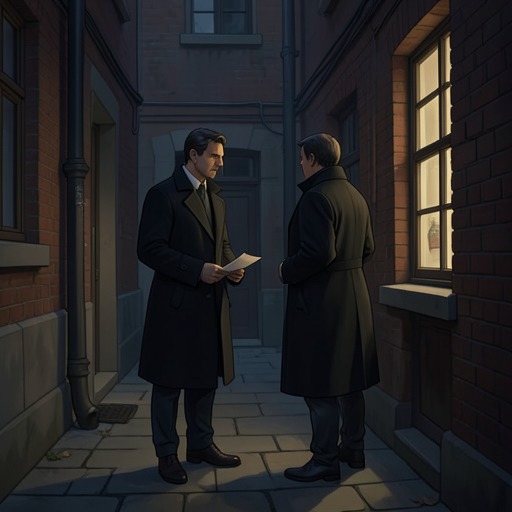
One telegram purported to report proof that Picquart had forged the Petit bleu. Its wording turned the accusation directly against the officer who had investigated the document: “We have proof that the bleu was forged by Georges. Blanche.” When asked whether Blanche de Comminges had sent it, Picquart acknowledged receiving a telegram with that wording but insisted it was not from her. The signature therefore offered an apparent source while Picquart’s response separated the message from the person it named.
The second telegram was coded and more ominous in tone: “Stop the Demigod. Everything is discovered. Extremely serious matter. Speranza.” When questioned about Speranza, Picquart said he did not know the name. His interrogator then pointed out that someone using it had written to him about a year earlier, shortly after he left the Statistical Section. The messages thus implicated him through two different devices: one accused him of forging evidence, while the other suggested that he was connected to a clandestine warning and an earlier correspondent.
Signatures and Manufacture
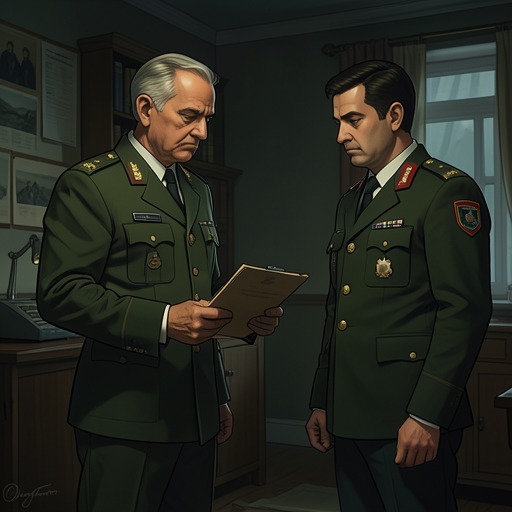
The messages’ apparent authorship was eventually contradicted by testimony about how they had been produced. A witness recalled the “Blanche” telegram and said that Armand du Paty had written it. The other signature, “Speranza,” prompted a moment of recognition: the witness identified Mademoiselle Pays as the person who wrote that telegram out. She took it to the post office in the rue Lafayette on the colonel’s instructions.
This account distinguishes the names displayed on the messages from their makers and handlers. “Blanche” and “Speranza” functioned as signatures that could direct suspicion toward purported correspondents; they did not establish who had composed or sent the telegrams. The later recollection supplies a concrete chain for the second message—its writer, the instruction under which it was prepared, and its delivery to a post office—while the first is specifically attributed to du Paty.
A Plan to Compromise Picquart
When asked why the messages had been prepared, the witness answered that the purpose was to compromise Picquart. The telegrams were therefore not merely false communications that happened to cast doubt on him: their asserted accusations and coded alarm were part of a deliberate attempt to damage his position. Their wording could make his contact with supposed sources look suspicious, while the message about the Petit bleu recast his investigation as an act of forgery.
The testimony also places the episode within a wider effort to undermine Picquart. The witness recalled other communications, including warnings about what might appear in newspapers, advice about how to respond, and an envelope containing a secret document from the ministry. Some messages concerned Picquart. The telegrams stood out in that recollection because they were particularly odd, and because their concealed authorship made them useful instruments for compromising him.
Evidentiary Reversal
At first, the messages appear in questioning as clues about Picquart: a named woman with a musical salon attended by officers, a coded correspondent, and a connection reaching back to his departure from the Statistical Section. The later identification reverses that appearance. What seemed to be communications exposing Picquart instead become evidence of a scheme directed against him, with false signatures masking military involvement.
That reversal gives the telegrams their significance as objects in the affair. Their written contents could be cited as if they disclosed Picquart’s guilt, but the account of their manufacture undermines the authority of those contents and the identities attached to them. The messages’ force depended on their seeming to come from elsewhere; once their preparation is traced to du Paty and Mademoiselle Pays, their apparent revelations point back toward the attempt to compromise Picquart.