Picquart appointed French Minister of War
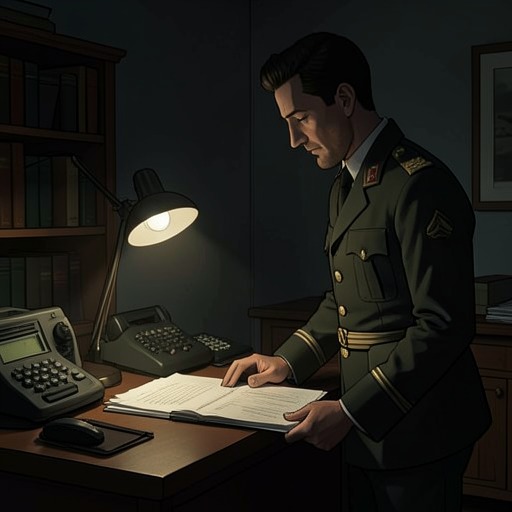
An Officer and a SpyGeorges Picquart’s appointment as Minister of War arrives as a sharp reversal in his public career: a man dishonourably discharged from the army in 1898 is summoned back to Paris to lead the War Ministry. The scene turns that reversal into an intimate interruption, as an official telegram reaches Picquart in the middle of an evening at the opera.
Background and Reversal
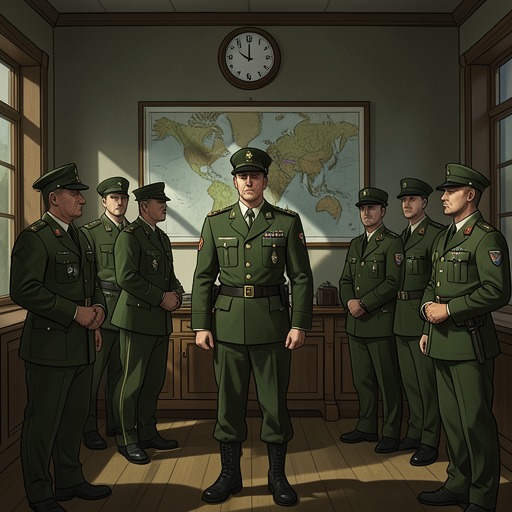
On 13 July 1906, after Alfred Dreyfus’s exoneration, Picquart returned to the parade ground of the École Militaire in the uniform of a brigadier general for Dreyfus’s medal ceremony. The appointment came later that year, on 25 October. Set against Picquart’s earlier dishonourable discharge, the summons to become Minister of War completes a change in standing that had seemed improbable: he was no longer merely restored to military rank, but called to direct the ministry responsible for the army.
The Appointment in Vienna
Picquart was in Vienna when Georges Clemenceau became prime minister. That evening Picquart, dressed in white tie and tails, took his seat at the Vienna State Opera with Pauline on his arm to hear Gustav Mahler conduct Tristan und Isolde. He had been looking forward to the performance for weeks. Just before the lights dimmed, a French Embassy official appeared in the aisle, and a telegram travelled along the row from gloved to jewelled hand. Pauline received it and passed it to Picquart.
The message was concise and imperative: “Please be informed that I have today named you Minister of War. Return to Paris immediately.” The appointment reached Picquart not through a formal scene in Paris but as a summons interrupting a private evening abroad. The contrast gives the political change its force: the opera he had anticipated must give way at once to a new public duty.
Historical Event and Narrative Framing
The book presents the appointment through Picquart’s first-person account. Its author’s note distinguishes the historical basis of the story from the novelistic form used to tell it: the characters are not wholly fictional, and almost all events happened in some form, but the narrative simplifies, omits figures, dramatizes, and invents personal details. In particular, the author states that Picquart never wrote the secret account imagined by the novel, nor placed it in a Geneva bank vault to remain sealed for a century after his death. The appointment scene therefore belongs to a work that openly combines historical events with an invented narrative device.