
Poverty, Stigma, and Management
And Their Children After ThemThis flow traces how the town labels poor residents as social threats while building institutions that contain rather than resolve deprivation.
increasing Bearing strength in each event
 decreasing
Bearing strength in each eventdecreasingThe Outlying Families

Poverty Seen as Otherness
A local category
Residents describe rural families as strange, violent, and backward, using the label of inbreds to place them beneath respectable society. Their lives become local stories rather than subjects of understanding.
Stigma hides shared conditions
The language separates the poor from the wider town even as unemployment and insecurity affect both. Social contempt makes structural deprivation appear to be a defect of individuals.
The Employment Office

Guidance Instead of Work
Hacine seeks a job
Hacine visits City Hall expecting employment, but receives help polishing a résumé and advice about presenting himself. The office has techniques for managing unemployment without providing the job he needs.
Responsibility is individualized
The encounter suggests that confidence and self-presentation can solve a problem whose causes are larger than the applicant. Hacine leaves feeling that official assistance is disconnected from his situation.
The Subsidized Estate
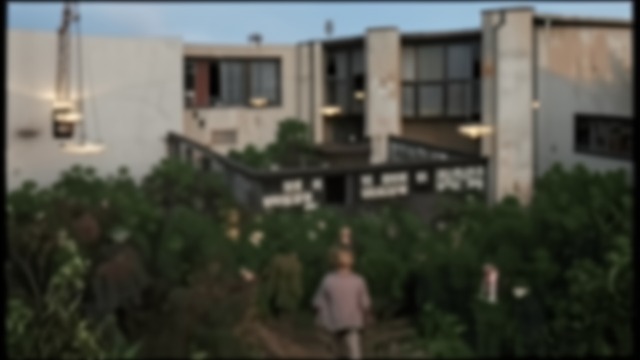
Marginalization in Space
Declining housing
The ZUP loses residents and maintenance while families extend into vacant apartments. The buildings are described as blighted even though they remain active homes and social spaces.
Clearance imagined as progress
Planners anticipate demolition and treat the estate as a failed design. The future is framed as removing the visible poor rather than addressing why residents have so few choices.
The Service Economy
Poverty Administered
New structures appear
Retail parks, welfare offices, housing services, and temporary agencies organize life around precarious employment and consumption. The town’s redevelopment creates new places to manage social need.
Little security follows
Residents still face low wages, debt, and uncertain work. The expanding infrastructure makes deprivation more orderly without making it less consequential.
The World Cup Contrast
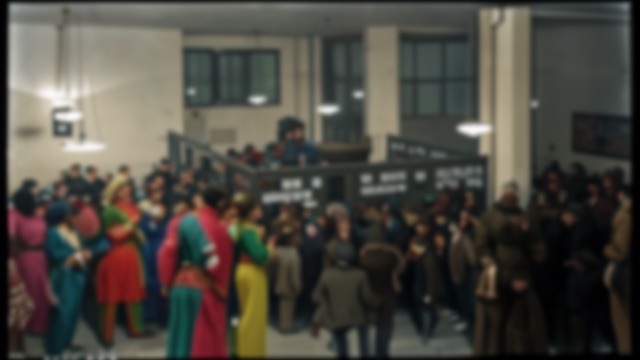
Visibility and Invisibility
National celebration
The World Cup brings residents into public spaces and temporarily creates a shared story of national success. For a moment, the divisions that mark everyday life seem less decisive.
Poverty remains outside the frame
The celebration does not change low-paid work or social stigma. Its image of unity sits beside the ongoing management and marginalization of poor households.
The early 1990s
Summer 1992
During the 1990s
By the mid-1990s
July 1998
