
Work, Surveillance, and Dignity
And Their Children After ThemThis flow traces the changing discipline of work from the steel mill to corporate and temporary labor, showing how workers preserve dignity under pressure.
increasing Bearing strength in each event
 decreasing
Bearing strength in each eventdecreasingThe Mill’s Hierarchy
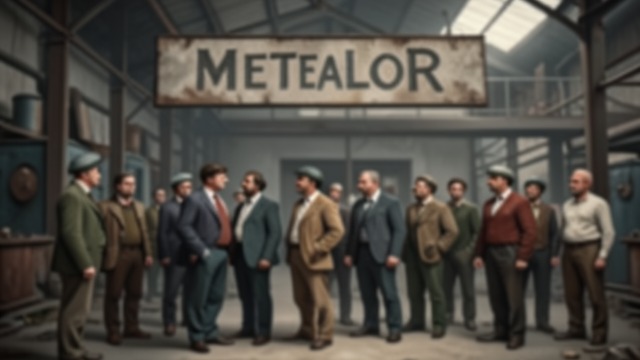
Labor Ranked by Origin
Unequal positions
At Metalor, workers’ assignments reflect race and national origin as well as skill. Malek describes a hierarchy that keeps North African workers at the bottom even when they gain experience.
Dignity under constraint
Industrial work provides a shared structure but does not guarantee equality. Its collective life can create solidarity while preserving institutional discrimination.
Patrick’s Lost Work
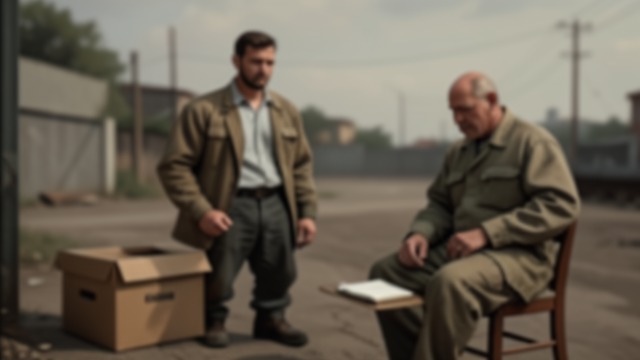
A Worker Displaced
Security vanishes
Patrick loses his job and turns to small, irregular jobs and later vending-machine work. The transition strips away the identity and social world he associated with industrial employment.
Self-worth under pressure
He struggles with low status and limited income, while trying to maintain the idea that he is still capable and useful. Work changes from a shared source of pride into a fragile individual obligation.
The Company Cap
Small Rules, Large Humiliation
A uniform dispute
Patrick resists wearing Districan’s branded cap, which supervisors treat as part of the company’s image. The argument appears minor but becomes a daily reminder of who controls his work.
Surveillance replaces solidarity
Tracking systems measure his stops and performance. Patrick sees a workplace where compliance reaches beyond tasks into how a worker must present and describe himself.
Anthony at Gordon
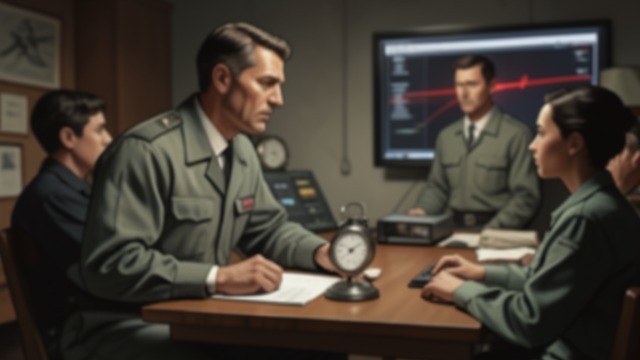
Learning a Factory Rhythm
Work among peers
Anthony works at Gordon with other men who share breaks, meals, and the careful pacing needed to avoid higher production targets. Their quiet cooperation offers a modest form of solidarity.
A precarious position
As a temporary worker, Anthony remains vulnerable to deductions and dismissal. The workplace gives him a wage but not confidence that he can build a secure future.
Hacine Learns to Pace Himself

The Endless Bucket
A lesson from Jacques
Hacine initially works as fast as possible, trying to turn aggression into strength. Jacques explains that the work has no end and that exhausting himself will not make it finish sooner.
Time becomes the real opponent
Hacine learns to follow rhythms and small rituals that make the day bearable. The lesson offers a practical adaptation to work while revealing how thoroughly his time belongs to someone else.
During the industrial era
After the blast furnaces close
During Patrick’s employment with Districan
1996–1998
During demolition work for Solodia
