The Stolen and Burned Motorcycle
And Their Children After ThemThe Stolen and Burned Motorcycle is an economically insignificant possession that becomes the focus of Hélène’s mounting anxiety and, when its remains are found burning, the catalyst for her family’s departure. Its material value is slight; its consequences are not. The motorcycle’s disappearance forces a hidden fear into the open, and its destruction converts weeks of apprehension into an immediate problem of where the family can go and how it will manage.
Disappearance and Domestic Anxiety
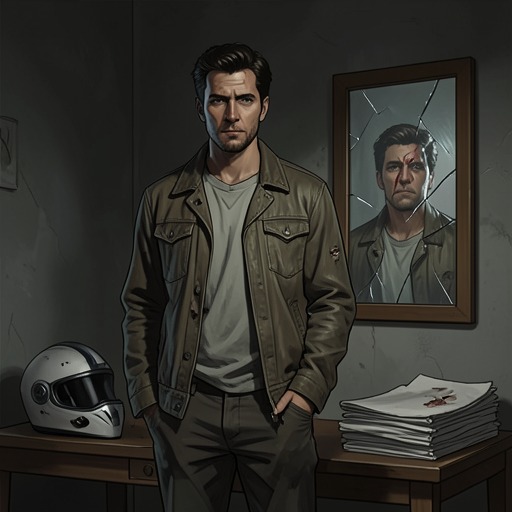
In the weeks after the motorcycle disappeared, Hélène thought about it day and night and jumped whenever Patrick opened the door. The bike was worth almost nothing, served no purpose, and was not insured because the family could not afford the cost. What mattered was what Patrick might do when he learned what had happened: Hélène expected him to go berserk. That fear was grounded in his earlier readiness to confront the neighbors with a tire iron because they had been slow to return a raclette grill. The motorcycle’s absence therefore weighs on the household less as a financial loss than as a danger whose consequences Hélène keeps anticipating.
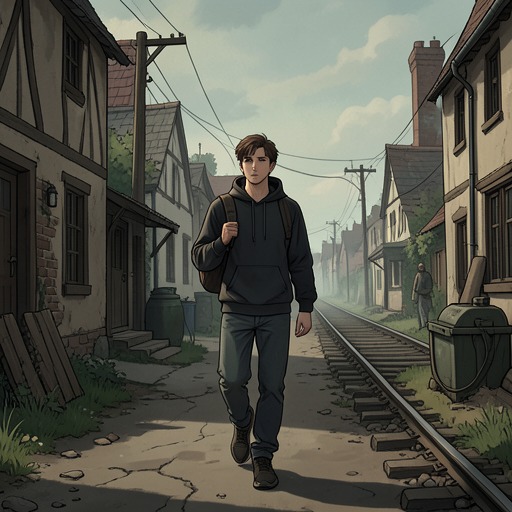
The worry follows Hélène even as she tries to take a day for herself. She nearly cancels her day off, partly because a storm had made an outing seem pointless and partly because the motorcycle was driving her nearly half crazy. She leaves while Patrick is in the shower and Anthony is still asleep, seeking a break from the house and its pressure. On her slow drive home, she is still relishing the respite when smoke in the distance draws her attention back to what she has been dreading.
The Motorcycle Found Burning
Hélène sees the smoke grow as she approaches home and catches the smell of melted plastic and burning gasoline. In the housing development, she drives past two blocks before finding neighbors gathered to watch the fire. The motorcycle is broken, burning, melted, and unmistakable. The sequence makes the loss brutally concrete: what had been an absence she could worry over is now a ruined object displayed before the neighborhood.
As Hélène rushes from her car, a bystander attributes the burning to Arab youths in a racist remark. The scene thus places the destroyed motorcycle within a public atmosphere of accusation, without identifying who burned it. For Hélène, the immediate fact is the wreck itself. The motorcycle’s destruction confirms the catastrophe she had feared and leaves her shaken as she tries to get herself and Anthony away.
Departure and Consequences
Hélène tells Anthony that they are going to her sister’s because there is no motorcycle anymore: it has been burned. She explains everything to him. For Anthony, the disclosure brings an unexpected measure of relief. After a week spent holding his breath, the feared event has happened, ending the uncertainty; he feels that the world of fait accompli has its advantages. The damage does not make their situation easy, but it changes dread into practical decisions.
The family must organize supplies and consider money, clothes, food, and where they will sleep. Their flight from home makes the motorcycle’s destruction consequential well beyond the loss of a vehicle: it abruptly rearranges the household’s immediate life. As an object, the bike had been nearly worthless and functionally unnecessary; as a focus of fear, and then as a recognizable burning wreck, it determines the timing and shape of the family’s response.